Caregiver Grief: Life After Caregiving Ends
Your parent has died. After months or years of caregiving, the constant vigilance, the doctors' appointments, the medication schedules, the worry, it's over. And you feel... everything. Or nothing. Or both.
Caregiver grief is different. You're not just mourning your parent. You're mourning the loss of a role that consumed your life. You're mourning the parent you knew before they got sick. And you may be experiencing grief you've been holding at bay for years.
This is normal. And it will get better.
Why Caregiver Grief Is Complicated
You Started Grieving Long Before They Died
Anticipatory grief, mourning someone while they're still alive, is real. You may have grieved the loss of your parent's health, independence, and personality over years. By the time death comes, you've already been grieving.
Relief Is Normal (And Guilt About Relief)
It's okay to feel relieved that the suffering is over, theirs and yours. Relief doesn't mean you loved them less. It means caregiving was hard. But you might feel guilty for feeling relieved, and that's complicated.
You've Lost Your Identity
For years, you were a caregiver. Your schedule, your relationships, your work, your self-image, all shaped by that role. Now who are you? The sudden freedom can feel disorienting, even unwelcome.
Your Body Finally Gets the Message
Caregivers often push through physical and emotional exhaustion. After the death, your body may crash. Illness, fatigue, depression, and physical symptoms may emerge now that the adrenaline is gone.
Unresolved Issues Surface
Things you couldn't deal with during caregiving, relationship problems, your own health, career issues, grief over the parent relationship you never had, may demand attention now.
The equipment that changes the most
Most of what caregiving costs is time. These four are the purchases that reliably buy some of it back, and they are the ones families tell us they wish they had bought sooner.
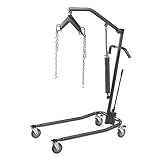 Drive Medical Hydraulic Patient Lift
A full lift is what makes one person able to manage a transfer alone. It is the single purchase that most often delays a move into residential care.
Check price on Amazon →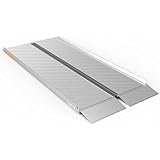 EZ-ACCESS Singlefold Wheelchair Ramp, 6 ft
Folds like a suitcase and carries in a car boot, so the same ramp handles the front step at home and the kerb at an appointment.
Check price on Amazon → Drive Medical Nitro Rollator with Seat
The seat matters more than the wheels. Being able to stop and rest is what decides whether someone still goes out at all.
Check price on Amazon → Vive Stand Assist Rail for Couch or Chair
Getting out of a low sofa is where most falls at home start. This is the cheapest thing on the list and often the first one needed.
Check price on Amazon →As an Amazon Associate we earn from qualifying purchases, at no extra cost to you. Researched guidance, not medical advice. Prices change, so check before buying.
What You Might Be Feeling
All of these are normal. You may experience all of them, some of them, or move between them:
- Emptiness: A void where caregiving used to be
- Disorientation: Not knowing what to do with yourself
- Relief: That the hardship is over
- Guilt: About relief, about things you did or didn't do, about anger you felt
- Anger: At the disease, at siblings who didn't help, at the healthcare system, at your parent
- Profound sadness: Missing them, missing even the hard parts
- Physical exhaustion: Your body catching up
- Depression: Beyond normal grief, may need treatment
- Lost purpose: Caregiving gave your life meaning; now what?
Grief doesn't follow a schedule or stages. You might cry for weeks, or not cry at all. You might feel fine one day and devastated the next. Whatever you're feeling, it's valid.
Strategies for Healing
Give Yourself Time and Permission
You don't have to "get over it" quickly. Don't let anyone tell you you should be "done" grieving. The first year will be hard. The second may still be hard. Go at your own pace.
Take Care of Your Body
You've been neglecting yourself. Now is the time to:
- Get that checkup you've been putting off
- Address health issues that emerged during caregiving
- Sleep (your body needs to recover)
- Eat properly
- Move your body, even gently
Find Support
You don't have to do this alone:
- Grief support groups: Being with others who understand helps
- Therapy: Especially helpful for complicated grief
- Friends and family: Let people help you now
- Hospice bereavement services: If your parent was on hospice, you're entitled to 13 months of grief support
Acknowledge the Loss of Your Role
It's okay to miss caregiving, the sense of purpose, the connection, even the routine. Recognize that you're grieving multiple losses: your parent, your role, and the future you expected.
Create New Meaning and Structure
Eventually, you'll need to rebuild:
- Create new routines that work for you
- Reconnect with friends and activities you set aside
- Explore new interests or rediscover old ones
- Consider how you want to use the skills you gained as a caregiver
Process What Happened
Writing, talking, or reflecting on the caregiving journey can help:
- Journal about your experiences
- Talk about your parent, stories help keep their memory alive
- Create a memory book or video
- Write a letter to your parent saying what you never got to say
Practical Matters
Unfortunately, grief comes with paperwork. In the first weeks, you may need to:
- Notify Social Security, pension providers, insurance companies
- Handle the estate (if you're the executor)
- Cancel subscriptions and services
- Deal with the house and belongings
- Navigate family dynamics around inheritance
Ask for help. Delegate what you can. Give yourself grace if things take longer than expected.
When to Seek Professional Help
Normal grief is painful but eventually eases. Seek help if:
- Symptoms aren't improving after several months
- You're unable to function (can't work, care for yourself, or engage in life)
- You're having thoughts of suicide or self-harm
- You're using alcohol or drugs to cope
- You feel "stuck" in the grief
- Physical symptoms aren't improving with rest
Complicated grief and depression are treatable. There's no shame in getting help.
"Grief is the price we pay for love."
, Queen Elizabeth II
Moving Forward
Healing doesn't mean forgetting. It means carrying your parent with you while also living your own life fully. It means honoring their memory by taking care of yourself the way you took care of them.
You did something incredibly hard and incredibly loving. You showed up when it mattered most. That matters. And now it's time to show up for yourself.
Resources
- GriefShare: Faith-based grief support groups nationwide (griefshare.org)
- The Dougy Center: Resources for grief at any age (dougy.org)
- 988 Suicide and Crisis Lifeline: Call or text 988 for crisis support
- Hospice Foundation of America: Grief resources (hospicefoundation.org)
You've Been Through So Much
Our resources are here whenever you need them. Take care of yourself now.
Browse All Guides