Caregiver Burnout: Signs, Symptoms & Solutions
Caregiving is exhausting. Physically, emotionally, financially, it takes everything you have. And if you're not careful, it can break you.
Caregiver burnout is real, it's common, and it's dangerous, not just for you, but for the person you're caring for. Here's how to recognize it and what to do about it.
Stress vs. Burnout: What's the Difference?
Caregiver Stress
- Characterized by over-engagement
- Emotions are over-reactive
- Produces urgency and hyperactivity
- Loss of energy
- Leads to anxiety disorders
- Primary damage is physical
- May kill you prematurely
Caregiver Burnout
- Characterized by disengagement
- Emotions are blunted
- Produces helplessness and hopelessness
- Loss of motivation, hope, and ideals
- Leads to detachment and depression
- Primary damage is emotional
- May make life seem not worth living
With stress, you still feel like things would improve if you could just get everything under control. With burnout, you feel empty, like nothing you do matters anymore. Burnout is what happens when stress goes on too long without relief.
The equipment that changes the most
Most of what caregiving costs is time. These four are the purchases that reliably buy some of it back, and they are the ones families tell us they wish they had bought sooner.
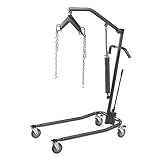 Drive Medical Hydraulic Patient Lift
A full lift is what makes one person able to manage a transfer alone. It is the single purchase that most often delays a move into residential care.
Check price on Amazon →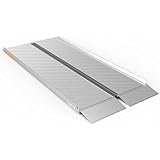 EZ-ACCESS Singlefold Wheelchair Ramp, 6 ft
Folds like a suitcase and carries in a car boot, so the same ramp handles the front step at home and the kerb at an appointment.
Check price on Amazon → Drive Medical Nitro Rollator with Seat
The seat matters more than the wheels. Being able to stop and rest is what decides whether someone still goes out at all.
Check price on Amazon → Vive Stand Assist Rail for Couch or Chair
Getting out of a low sofa is where most falls at home start. This is the cheapest thing on the list and often the first one needed.
Check price on Amazon →As an Amazon Associate we earn from qualifying purchases, at no extra cost to you. Researched guidance, not medical advice. Prices change, so check before buying.
Warning Signs of Caregiver Burnout
Emotional Signs
- Feeling hopeless or helpless
- Constant worry or anxiety
- Irritability or impatience
- Feeling trapped
- Depression
- Resentment toward the person you care for
Physical Signs
- Constant exhaustion
- Getting sick more often
- Changes in appetite or weight
- Sleep problems
- Neglecting own health
- Physical ailments (headaches, back pain)
Behavioral Signs
- Withdrawing from friends and activities
- Losing interest in things you used to enjoy
- Drinking or smoking more
- Neglecting responsibilities
- Cutting corners on caregiving
Cognitive Signs
- Difficulty concentrating
- Memory problems
- Difficulty making decisions
- Negative self-talk
- Loss of perspective
- Have thoughts of harming yourself or the person you care for
- Are using alcohol or drugs to cope
- Feel like you might physically or emotionally hurt your loved one
- Feel so overwhelmed you can't function
Crisis Resources: 988 Suicide & Crisis Lifeline (call or text 988) or Eldercare Locator: 1-800-677-1116
Why Caregivers Burn Out
Burnout isn't a character flaw, it's a predictable response to impossible circumstances. Common causes:
- Role confusion: When you're caregiver, child, spouse, employee all at once
- Unrealistic expectations: Of yourself, from family, or from the person you care for
- Lack of control: Over the disease progression, behavior, or resources
- Insufficient support: Doing too much alone
- Ambiguous loss: Grieving someone who's still alive but fundamentally changed
- Unending demands: Caregiving with no clear endpoint
Solutions That Actually Work
1. Accept Help (or Demand It)
Stop saying "I'm fine." Make specific requests: "Can you sit with Mom Tuesday afternoon so I can go to the doctor?" People often want to help but don't know how.
If family won't help, stop protecting them from the reality. Let them see what you're dealing with.
2. Get Respite Care
Regular breaks aren't optional, they're essential. Options include:
- Adult day programs
- In-home respite care
- Short-term residential respite
- Family members taking regular shifts
3. Set Boundaries
You cannot pour from an empty cup. It's okay to:
- Say no to requests that would overwhelm you
- Limit your caregiving hours
- Not be available 24/7
- Have a life outside of caregiving
4. Join a Support Group
Being with people who understand, without having to explain, is powerful. Look for:
- Alzheimer's Association support groups
- Hospital or community center caregiver groups
- Online communities (if in-person is impossible)
5. Take Care of Your Health
Caregivers are at higher risk for health problems. Don't skip:
- Your own doctor appointments
- Exercise (even just walking)
- Sleep (as much as you can manage)
- Eating actual food (not just stress-eating or skipping meals)
6. Consider Therapy
A therapist can help you:
- Process grief and complicated emotions
- Develop coping strategies
- Set boundaries with family
- Work through guilt about needing help
7. Evaluate the Caregiving Arrangement
Sometimes the honest answer is: this isn't working. It may be time for:
- More paid help at home
- Adult day programs
- Assisted living or memory care
- A family meeting to redistribute responsibilities
You'll feel guilty for needing help, for wanting a break, for considering placement. But a burned-out caregiver provides worse care. Taking care of yourself IS taking care of your loved one.
Are You Experiencing Burnout?
Take our free assessment to understand your burnout level and get personalized recommendations.
Take the AssessmentWhat Employers Need to Know
If you're working while caregiving, you may be eligible for:
- FMLA leave: Up to 12 weeks unpaid, job-protected leave
- Flexible work arrangements: Many employers offer remote work, flexible hours, or reduced schedules
- Employee Assistance Programs: Free counseling and resources
- State paid family leave: Available in some states
When Burnout Leads to Considering Placement
There may come a point when home care isn't sustainable. Signs it may be time:
- Your health is seriously declining
- You're unable to provide the level of care they need
- Safety is compromised (wandering, falls, medication errors)
- Your relationships, job, or other responsibilities are falling apart
- You're having thoughts of harming yourself or your loved one
Placement is not failure. It's a decision to ensure both of you get the care you need.
Related Resources
- Caregiver Burnout Assessment
- Getting Paid as a Family Caregiver
- Talking About Assisted Living
- Dementia Stages: What to Expect
Frequently Asked Questions
What are the first signs of caregiver burnout?
Early signs of caregiver burnout include chronic fatigue that doesn't improve with rest, difficulty sleeping even when tired, withdrawal from activities you once enjoyed, frequent illness, irritability or mood swings, and feeling overwhelmed or hopeless. Physical symptoms like headaches, weight changes, and muscle tension are also common early indicators.
How long does it take to recover from caregiver burnout?
Recovery from caregiver burnout typically takes 3-6 months with proper support and lifestyle changes. However, severe burnout may take longer. Recovery requires reducing caregiving demands, getting professional help, establishing self-care routines, and building a support network. Without intervention, burnout can lead to depression and serious health problems.
Can I still be a good caregiver if I'm burned out?
Burnout significantly impairs caregiving quality and your own health. Taking steps to address burnout, respite care, support groups, therapy, delegating tasks, actually makes you a better caregiver long-term. Continuing without addressing burnout risks poor care decisions, resentment, and complete caregiver collapse.
What's the difference between caregiver stress and burnout?
Caregiver stress involves feeling overwhelmed but still able to cope with rest and support. Burnout is chronic stress that leads to emotional, physical, and mental exhaustion where you feel detached, hopeless, and unable to function effectively. Stress can be managed day-to-day; burnout requires significant intervention and recovery time.