An estimated 11% of family caregivers live more than an hour away from their aging parents. If you're managing your parent's care from another city, or across the country, you face unique challenges: coordinating with local helpers, staying informed about health changes, and dealing with the emotional weight of not being there in person.
The good news? With the right systems, technology, and local support network, you can provide meaningful care from any distance.
Long-distance caregivers often spend 25% more on care-related expenses than local caregivers, primarily on travel costs and paid help. Building strong local networks is both a care strategy and a financial one.
Building Your Local Care Team
Since you can't be there daily, you need trusted people on the ground who can be your eyes, ears, and hands.
Essential Team Members
| Role | Responsibilities |
|---|---|
| Primary Contact | Neighbor, friend, or local family member who can check in regularly and respond to emergencies |
| Geriatric Care Manager | Professional who conducts assessments, coordinates care, and provides regular updates (typically $100-200/hour) |
| Home Care Aide | Helps with daily tasks, provides companionship, and reports changes to you |
| Medical Coordinator | Someone authorized to attend appointments and communicate with healthcare providers |
Finding a Geriatric Care Manager
A geriatric care manager (also called an aging life care professional) can be invaluable for long-distance caregivers. They can:
- Conduct in-person assessments of your parent's needs
- Coordinate medical care and attend appointments
- Arrange and supervise home care services
- Handle crises when you can't get there quickly
- Provide objective professional observations
Search the Aging Life Care Association directory at aginglifecare.org. Many offer free initial consultations. Consider hiring one for a one-time assessment even if you can't afford ongoing services.
The equipment that changes the most
Most of what caregiving costs is time. These four are the purchases that reliably buy some of it back, and they are the ones families tell us they wish they had bought sooner.
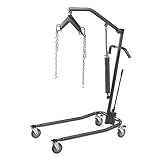 Drive Medical Hydraulic Patient Lift
A full lift is what makes one person able to manage a transfer alone. It is the single purchase that most often delays a move into residential care.
Check price on Amazon →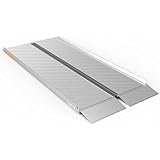 EZ-ACCESS Singlefold Wheelchair Ramp, 6 ft
Folds like a suitcase and carries in a car boot, so the same ramp handles the front step at home and the kerb at an appointment.
Check price on Amazon → Drive Medical Nitro Rollator with Seat
The seat matters more than the wheels. Being able to stop and rest is what decides whether someone still goes out at all.
Check price on Amazon → Vive Stand Assist Rail for Couch or Chair
Getting out of a low sofa is where most falls at home start. This is the cheapest thing on the list and often the first one needed.
Check price on Amazon →As an Amazon Associate we earn from qualifying purchases, at no extra cost to you. Researched guidance, not medical advice. Prices change, so check before buying.
Technology for Staying Connected
Technology bridges the distance, helping you monitor your parent's wellbeing and stay connected emotionally.
Communication Tools
- Video calling: Regular FaceTime, Zoom, or WhatsApp video calls let you see how your parent looks and their environment
- Smart displays: Amazon Echo Show or Google Nest Hub allow easy video calls without complex setup
- Digital photo frames: Send photos directly to a frame in their home, keeps connection constant
- Simple tablets: Pre-configured tablets with large icons designed for seniors (GrandPad, Oscar Senior)
Safety Monitoring Technology
- Medical alert systems: Life Alert, Medical Guardian, or similar devices for emergency response
- Motion sensors: Systems like Wellbeing or Independa alert you if daily activity patterns change
- Medication reminders: Automated pill dispensers (MedMinder, Hero) that alert you if doses are missed
- Smart home devices: Motion-sensing lights, video doorbells, thermostat monitors
- GPS tracking: For parents with dementia who might wander (with their consent when possible)
Too much surveillance can feel intrusive and undermine your parent's dignity. Discuss monitoring openly, explain your concerns, and respect their preferences when possible. The goal is safety, not control.
Making the Most of Visits
When you do visit in person, maximize your time with a clear plan. Don't try to do everything, focus on what only you can do.
Before You Arrive
- Create a prioritized list of tasks and conversations
- Schedule medical appointments during your visit
- Arrange to meet with local care providers
- Research local services you might need to set up
- Prepare any documents that need signatures
During Your Visit
- Assess the environment: Look for safety hazards, expired food, unpaid bills, signs of decline
- Attend medical appointments: Meet doctors, ask questions, get copies of records
- Handle paperwork: Legal documents, insurance issues, financial organization
- Meet the care team: Home aides, neighbors, friends who help out
- Have important conversations: Wishes for future care, end-of-life preferences
- Take photos: Document medications, medical devices, important papers for reference
Don't fill every moment with tasks. Schedule time just to be together, watching a movie, looking at photos, cooking a meal. These connection moments matter as much as the practical tasks.
Before You Leave
- Ensure all medication lists are updated and visible
- Confirm the next visit dates for doctors and helpers
- Leave emergency contact lists in multiple locations
- Set up your next video call schedule
- Debrief with local care team members
Organizing Information Remotely
When you're far away, organization becomes even more critical. You need information at your fingertips.
Essential Documents to Have Copies Of
- Health insurance cards and policy information
- Medicare/Medicaid cards
- List of all medications with dosages
- Healthcare provider contact information
- Power of attorney documents
- Healthcare proxy/advance directive
- Driver's license and Social Security card (copies)
- List of all monthly bills and accounts
Keep both a digital folder and physical copies of key documents. Share access with your care team so anyone can find critical information in an emergency.
Shared Care Coordination Tools
- CaringBridge or Lotsa Helping Hands: Coordinate family updates and volunteer help
- Shared calendars: Google Calendar or similar for medical appointments and caregiver schedules
- Family group chats: Keep all family caregivers informed simultaneously
- Medication tracking apps: Medisafe or CareZone for remote monitoring
Managing Medical Care from Afar
Staying Informed
- HIPAA authorization: Ensure you have signed forms on file with all providers
- Patient portal access: Set up online access to view test results, appointments, and messages
- Regular check-ins with doctors: Some will do phone consultations with family members
- Telehealth visits: You can often join your parent's video appointments remotely
Without proper HIPAA authorization, healthcare providers cannot share any information with you. Get this signed before a crisis. Consider having your parent sign forms for multiple family members.
When Medical Decisions Arise
- Request information in writing when possible
- Ask for time to consider non-emergency decisions
- Get second opinions via telehealth if needed
- Have your parent's advance directive accessible
- Know who has healthcare power of attorney if your parent can't decide
Handling Emergencies from a Distance
Create an Emergency Plan
- Identify 2-3 local people who can respond in a crisis
- Keep a packed bag ready for quick travel
- Research flight and transportation options in advance
- Know the local hospital ER and how to contact them
- Have a credit card or funds set aside for emergency travel
In a true emergency, your job is coordination, not self-blame. Call 911, alert your local contacts, contact the hospital, and arrange travel as quickly as possible. Focus on what you can control.
After an Emergency
- Assess whether care needs have permanently changed
- Consider whether living situation needs to change
- Update your emergency plan based on lessons learned
- Increase monitoring temporarily after hospitalization
Managing the Emotional Challenges
Long-distance caregiving comes with unique emotional burdens: guilt about not being there, anxiety about what you can't see, frustration with coordination challenges.
Common Feelings and How to Cope
- Guilt: Remind yourself that proximity doesn't equal quality of care. You're doing meaningful work from where you are.
- Anxiety: Set up reliable check-in systems rather than worrying constantly. Scheduled calls and monitoring technology provide peace of mind.
- Frustration: Accept that you can't control everything. Focus on building systems that work when you're not there.
- Exhaustion: Travel, coordination, and emotional labor are real work. Acknowledge your effort.
Consider joining a long-distance caregiver support group. Talking with others who understand the unique challenges can reduce isolation. The Caregiver Action Network and local Area Agencies on Aging often offer groups.
Sharing Responsibilities with Siblings
If you have siblings, whether local or also distant, clear role division prevents conflict and burnout.
Ways to Divide Responsibilities
- By type: One handles finances, another handles medical coordination, another handles emotional support
- By time: Rotate primary responsibility weekly or monthly
- By strength: Assign based on each person's skills and availability
Put caregiving agreements in writing. Include who handles what, how expenses are shared, and how decisions are made. This prevents misunderstandings and provides clarity during stressful times.
Financial Considerations
Common Expenses for Long-Distance Caregivers
- Travel costs (flights, hotels, car rentals)
- Paid caregiving help
- Technology and monitoring services
- Geriatric care manager fees
- Lost wages for time off work
Ways to Manage Costs
- Travel rewards: Accumulate airline and hotel points for frequent trips
- FMLA: Know your rights for unpaid leave for caregiving
- Tax deductions: Some caregiving expenses may be deductible (consult a tax professional)
- Family agreements: Consider pooling resources among siblings
- Employee benefits: Check if your employer offers elder care support programs
Get Organized for Long-Distance Care
Our Care Coordination Binder helps you organize all the information you need to manage care from anywhere, medical records, contacts, important documents, and communication logs.
Get the Complete Caregiver KitWhen Distance Becomes Too Difficult
Sometimes long-distance caregiving reaches its limits. Consider whether it's time for a bigger change if:
- Your parent's care needs exceed what remote coordination can manage
- Emergencies are becoming frequent
- The financial burden of travel and paid help is unsustainable
- Your own health or work is suffering significantly
- Your parent expresses wanting you closer
Options to Consider
- Your parent moving closer to you
- You relocating (at least temporarily) to be closer
- Assisted living or other care facility near you or them
- Significantly increasing paid care support
- Build a reliable local care team, you can't do this alone from a distance
- Use technology strategically for monitoring and connection
- Maximize in-person visits with careful planning
- Keep critical information organized and accessible
- Address the emotional challenges, they're real and valid
- Know when it's time to consider bigger changes
Frequently Asked Questions
How do I take care of my elderly parent from far away?
Build a local support network including neighbors, friends, faith community, and professional caregivers. Use technology (video calls, remote monitoring, medication dispensers). Hire a geriatric care manager to coordinate local services. Make the most of visits for tasks requiring your presence. Set up automatic bill pay and organize important documents. Stay in regular contact with your parent and their care providers.
What is a geriatric care manager?
A geriatric care manager (also called aging life care professional) is a trained specialist, usually a social worker or nurse, who assesses elderly clients' needs, develops care plans, coordinates services, monitors care quality, and advocates for the client. They're especially valuable for long-distance caregivers who need local eyes and expertise. Costs typically range from $100-250/hour.
How do you monitor an elderly parent from a distance?
Technology options include: video calling (FaceTime, Zoom), medical alert systems with GPS, motion sensor systems that track activity patterns, medication management apps and dispensers, smart home devices (doorbell cameras, smart speakers), and wellness check-in services. Combine technology with regular check-in calls from neighbors or hired caregivers to ensure safety.
How often should I visit my elderly parent who lives far away?
Visit frequency depends on their care needs, your resources, and available local support. Many long-distance caregivers aim for quarterly visits, with more frequent phone/video contact. Plan strategic visits, for doctor appointments, after hospitalizations, and to assess the home situation. Longer, less frequent visits may be more practical than short trips and allow time for meaningful interaction and coordination.