Post-Surgery Care for an Elderly Parent: Complete Recovery Guide
Your parent made it through surgery. Now comes the hard part: recovery. Elderly patients face higher risks of complications, longer recovery times, and greater dependence during healing. The first few days and weeks after surgery are critical, and you'll likely be the primary caregiver.
This guide covers what to expect and how to help your parent recover safely at home.
Get clear answers to:
- What can they eat and drink?
- What medications should they take, and when?
- What activities are restricted?
- How do we care for the incision?
- What symptoms should we call about?
- When is the follow-up appointment?
- Who do we call with questions?
The First 24-48 Hours
What's Normal
- Grogginess and confusion: Anesthesia effects can last 24-72 hours in elderly patients
- Pain: Expected, but should be manageable with prescribed medications
- Nausea: Common after anesthesia and pain medications
- Fatigue: Extreme tiredness is normal, sleep is healing
- Decreased appetite: May not feel like eating much
- Constipation: Very common after surgery, especially with opioid pain meds
What to Watch For
- Temperature over 101°F (38.3°C): May indicate infection
- Increasing pain: Pain should gradually improve, not worsen
- Redness, swelling, or drainage at incision: Signs of infection
- Difficulty breathing: Could indicate blood clot or other serious issue
- Confusion that worsens: Some is normal; worsening is not
- Inability to urinate: Common after surgery but needs attention
- Severe difficulty breathing
- Chest pain
- Sudden severe headache
- Signs of stroke (face drooping, arm weakness, speech difficulty)
- Uncontrollable bleeding
- Unresponsive or extremely difficult to wake
The equipment that changes the most
Most of what caregiving costs is time. These four are the purchases that reliably buy some of it back, and they are the ones families tell us they wish they had bought sooner.
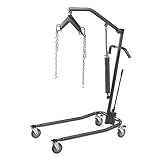 Drive Medical Hydraulic Patient Lift
A full lift is what makes one person able to manage a transfer alone. It is the single purchase that most often delays a move into residential care.
Check price on Amazon →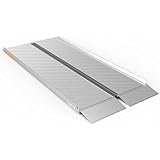 EZ-ACCESS Singlefold Wheelchair Ramp, 6 ft
Folds like a suitcase and carries in a car boot, so the same ramp handles the front step at home and the kerb at an appointment.
Check price on Amazon → Drive Medical Nitro Rollator with Seat
The seat matters more than the wheels. Being able to stop and rest is what decides whether someone still goes out at all.
Check price on Amazon → Vive Stand Assist Rail for Couch or Chair
Getting out of a low sofa is where most falls at home start. This is the cheapest thing on the list and often the first one needed.
Check price on Amazon →As an Amazon Associate we earn from qualifying purchases, at no extra cost to you. Researched guidance, not medical advice. Prices change, so check before buying.
Managing Pain
Key Principles
- Stay ahead of pain: Take medication on schedule, not just when pain is severe
- Don't under-medicate: Uncontrolled pain slows recovery and increases complications
- Don't over-medicate: Follow prescribed doses carefully
- Track doses: Write down when each medication is given
Opioid Pain Medications
If prescribed (oxycodone, hydrocodone, etc.):
- Start with the lowest effective dose
- Take with food to reduce nausea
- Expect constipation, start stool softeners immediately
- Expect drowsiness, don't leave them alone initially
- Watch for signs of too much: extreme drowsiness, slow breathing, confusion
- Taper off as soon as possible, switch to acetaminophen when able
Elderly patients are more sensitive to opioids and at higher risk for side effects including falls, confusion, and respiratory depression. The goal is adequate pain control with the lowest dose for the shortest time. Work with the doctor to transition to non-opioid pain relief as soon as appropriate.
Non-Opioid Pain Management
- Acetaminophen (Tylenol): Often effective for mild-moderate pain; limit to 3,000mg/day in elderly
- Ice packs: 20 minutes on, 20 minutes off (protect skin with cloth)
- Positioning: Pillows to support surgical area
- Gentle movement: Prevents stiffness and improves circulation
- Distraction: TV, music, conversation can help
Preventing Complications
Blood Clots (DVT/PE)
Surgery and immobility increase clot risk. Blood clots can be life-threatening.
Prevention Strategies
- Get moving: Even short walks or leg exercises in bed help
- Compression stockings: Wear as directed
- Blood thinners: If prescribed, take exactly as directed
- Stay hydrated: Dehydration increases clot risk
- Avoid prolonged sitting: Move at least every 1-2 hours
Signs of blood clot (call doctor immediately):
- Leg pain, tenderness, or swelling (especially one-sided)
- Warmth or redness in leg
- Sudden shortness of breath (call 911)
- Chest pain when breathing (call 911)
Pneumonia
Common after surgery, especially with prolonged bed rest.
Prevention Strategies
- Deep breathing exercises: 10 deep breaths every hour while awake
- Incentive spirometer: If provided, use as directed
- Get upright: Sit up rather than lying flat
- Cough: Gentle coughing helps clear lungs (hold a pillow against incision)
- Move: Walking helps expand lungs
Infection
Surgical site infections are common and can be serious.
Incision care:
- Keep the area clean and dry
- Follow specific wound care instructions
- Don't remove dressings unless instructed
- Wash hands before and after touching the area
- Don't apply lotions, creams, or powders unless directed
Signs of infection (call the doctor):
- Increasing redness around incision
- Warmth at the site
- Swelling that's getting worse
- Drainage (especially if cloudy, green, or foul-smelling)
- Fever over 101°F
- Increasing pain at the site
Falls
Fall risk is extremely high after surgery due to weakness, pain medications, and disorientation.
Fall Prevention
- Never leave them alone initially: Especially first 24-48 hours
- Assist with all walking: Even to the bathroom
- Clear pathways: Remove rugs, cords, clutter
- Night lights: In bedroom, hallway, bathroom
- Non-slip footwear: No bare feet or slippery socks
- Grab bars: In bathroom if not already installed
- Bed rails or assistive devices: If recommended
- Call button: So they can reach you if you're in another room
Constipation
Nearly universal after surgery. Opioids make it worse. Can become serious if untreated.
Prevention and Treatment
- Start stool softeners immediately: Don't wait for constipation
- Drink plenty of fluids: 6-8 glasses daily
- Fiber when able: Prunes, fruits, vegetables
- Move: Walking helps bowels function
- Laxatives: If needed, ask the doctor for recommendations
Call the doctor if: No bowel movement for 3+ days, severe bloating, nausea/vomiting
Delirium (Post-Operative Confusion)
Occurs in 15-50% of elderly surgical patients. Can last days to weeks.
Risk factors:
- Advanced age
- Pre-existing dementia
- Major surgery
- Pain medications
- Infection
- Dehydration
What helps:
- Familiar faces and calm environment
- Consistent routines
- Glasses and hearing aids in place
- Adequate sleep
- Staying hydrated
- Minimizing sedating medications when possible
Post-operative delirium is temporary (though it can unmask underlying dementia). If your parent becomes confused after surgery, don't panic, but do report it to the doctor. It can be a sign of infection, medication issues, or other treatable problems.
Daily Care
Nutrition and Hydration
- Start slowly: Clear liquids, then light foods, then regular diet
- Small frequent meals: Easier to tolerate than large meals
- Protein is important: Helps with healing, eggs, chicken, fish, yogurt
- Stay hydrated: 6-8 glasses of fluids daily
- Limit alcohol: Interferes with healing and medications
- Don't force eating: Appetite will return gradually
Mobility
- Follow activity restrictions: Don't lift, bend, or twist if told not to
- Start moving early: As allowed, even sitting up helps
- Increase gradually: A little more each day
- Physical therapy: If prescribed, it's essential, don't skip sessions
- Rest between activities: Don't overdo it
Personal Care
- Bathing: Follow instructions about when incisions can get wet
- Dressing: Loose, comfortable clothing; may need help
- Toileting: May need raised toilet seat or grab bars
- Oral care: Important even if not eating much
Recovery Timeline (General)
Recovery varies greatly by surgery type. This is a general guide:
Days 1-3: Acute Recovery
- Highest need for pain medication
- Most fatigue and weakness
- Minimal activity
- Need constant supervision
- May be confused
Days 4-7: Early Recovery
- Pain improving
- More alert
- Starting to move more
- Appetite returning
- Still need significant help
Weeks 2-4: Progressive Recovery
- Increasing independence
- Transitioning off opioids
- More normal eating
- Walking more
- Follow-up appointments
Weeks 4-8+: Later Recovery
- Returning to normal activities
- Physical therapy continuing
- Driving (when approved)
- Full recovery may take months
What takes a 40-year-old two weeks may take an 80-year-old six weeks. Be patient. Don't push for faster recovery than is safe. Some procedures (hip replacement, cardiac surgery) can take 3-6 months for full recovery.
When to Call the Doctor
Call the surgeon's office if:
- Fever over 101°F (38.3°C)
- Increasing pain not controlled by medication
- Signs of wound infection (redness, swelling, drainage)
- Increasing confusion
- No urine output for 8+ hours
- No bowel movement for 3+ days
- Persistent nausea or vomiting
- Calf pain or swelling
- Questions about medications or restrictions
Preparing Your Home
Before your parent comes home:
- Hospital bed or recliner: May be easier than a regular bed
- Commode or raised toilet seat: If getting to the bathroom is difficult
- Shower chair and handheld showerhead: For safe bathing
- Grab bars: In bathroom and wherever needed
- Walker or cane: If prescribed
- Clear pathways: Remove tripping hazards
- Good lighting: Especially at night
- Medications organized: Filled and ready
- Easy-to-prepare foods: Stocked in the kitchen
- Comfortable clothing: Easy to put on and take off
Getting Help
You can't do 24/7 care alone. Options include:
- Home health care: Nurses can check wounds, vital signs; aides can help with bathing. Often covered by Medicare if ordered by doctor.
- Physical/occupational therapy: Can come to the home. Essential for many surgeries.
- Family and friends: Create a schedule; people often want to help but don't know how.
- Meal delivery: Meal trains, delivery services
- Short-term rehab facility: If home isn't safe or you can't provide needed care, skilled nursing facility rehab may be appropriate.
It's okay to ask for help. If wound care, medication management, or physical therapy is beyond what you can safely do, ask about home health services. Medicare covers skilled nursing visits when medically necessary after surgery.
Organize Post-Surgery Care
Our Complete Caregiver Toolkit includes medication trackers, symptom logs, and care coordination tools to help manage your parent's recovery.
Get the Complete GuideKey Takeaways
- Get clear discharge instructions and follow them carefully
- Manage pain proactively, don't wait until it's severe
- Watch for complications: blood clots, infection, pneumonia, falls
- Encourage movement while respecting restrictions
- Expect confusion in elderly patients, report worsening
- Recovery takes longer than expected, be patient
- Know when to call the doctor and when to call 911
- Accept help, you can't do this alone
Frequently Asked Questions
How long does it take an elderly person to recover from surgery?
Recovery time varies greatly by surgery type, overall health, and age. Generally, elderly patients take 2-3 times longer to recover than younger adults. Minor procedures may take weeks; major surgeries like hip replacement take 3-6 months for full recovery. Complications are more common in elderly patients, extending recovery. Follow surgeon's guidance and don't rush return to normal activities.
What are the signs of complications after surgery in elderly?
Watch for fever over 101°F, increasing pain despite medication, redness/swelling/discharge at incision site, confusion or unusual mental status changes, difficulty breathing, persistent nausea/vomiting, inability to eat or drink, and blood in urine or stool. Elderly patients may show complications differently, confusion is often the first sign of infection. When in doubt, call the surgeon.
Why do elderly get confused after surgery?
Postoperative delirium affects 15-50% of elderly surgery patients. Causes include anesthesia effects, pain medications, infection, dehydration, sleep disruption, and the stress of hospitalization. It usually resolves within days to weeks but can last longer. Strategies to reduce it: ensure glasses/hearing aids are available, maintain day/night cycles, encourage mobility, and minimize sedating medications.
Does Medicare cover post-surgery home care?
Medicare covers home health care after surgery if you're homebound, need skilled nursing or therapy services, and your doctor orders it. Coverage includes skilled nursing visits, physical/occupational therapy, and home health aide services (bathing assistance when combined with skilled needs). Coverage is time-limited based on medical necessity. Medicare does not cover 24/7 home care or purely custodial care.
Related Guides
Products that help with post-surgery recovery
We independently research every recommendation. As an Amazon Associate we earn from qualifying purchases, at no extra cost to you. Disclosure.
- Walkers & Rollators →Stable, seated rollators sized for indoor and outdoor walking.
- Raised Toilet Seats →Add height and grab handles to make the bathroom safer.
- Grab Bars →Tool-free and drilled bars for bathrooms, halls, and stairs.