Aphasia After Stroke: Communicating When Words Are Lost
Your parent had a stroke, and now they can't find words, can't understand what you're saying, or speak in jumbled sentences that don't make sense. This is aphasia, a language disorder that affects about one-third of stroke survivors. The person you've known your whole life is still in there, but the connection is broken.
Aphasia is one of the most isolating and frustrating conditions for both patients and families. But with patience, strategies, and understanding, you can maintain meaningful communication and support their recovery.
Aphasia affects language, not intelligence. Your parent's thoughts, memories, and personality are intact, they just can't access or express language normally. They know what they want to say; they just can't get the words out. Treat them as the intelligent adult they are.
What Is Aphasia?
Aphasia is an acquired language disorder caused by damage to the language areas of the brain, usually the left side. It can affect:
- Speaking: Finding and producing words
- Understanding: Comprehending spoken language
- Reading: Understanding written words
- Writing: Producing written language
Aphasia does NOT affect:
- Intelligence
- Memory (except for words)
- Personality
- Judgment
- Physical abilities (though stroke may cause other physical impairments)
The equipment that changes the most
Most of what caregiving costs is time. These four are the purchases that reliably buy some of it back, and they are the ones families tell us they wish they had bought sooner.
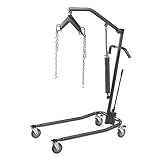 Drive Medical Hydraulic Patient Lift
A full lift is what makes one person able to manage a transfer alone. It is the single purchase that most often delays a move into residential care.
Check price on Amazon →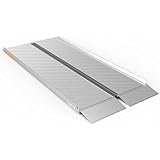 EZ-ACCESS Singlefold Wheelchair Ramp, 6 ft
Folds like a suitcase and carries in a car boot, so the same ramp handles the front step at home and the kerb at an appointment.
Check price on Amazon → Drive Medical Nitro Rollator with Seat
The seat matters more than the wheels. Being able to stop and rest is what decides whether someone still goes out at all.
Check price on Amazon → Vive Stand Assist Rail for Couch or Chair
Getting out of a low sofa is where most falls at home start. This is the cheapest thing on the list and often the first one needed.
Check price on Amazon →As an Amazon Associate we earn from qualifying purchases, at no extra cost to you. Researched guidance, not medical advice. Prices change, so check before buying.
Types of Aphasia
Aphasia isn't one-size-fits-all. The type depends on which part of the brain was damaged. Understanding your parent's type helps you communicate more effectively.
Broca's Aphasia (Non-fluent/Expressive)
What's affected: Speaking and writing
What's preserved: Understanding (mostly)
What it looks like:
- Speech is slow, effortful, and halting
- Uses short phrases or single words
- Leaves out small words (is, the, and)
- May say the wrong word or make-up words
- Understands most of what you say
- Knows their speech is wrong, which is frustrating
- Example: Trying to say "I want to go to the store," they might say "Store... go... want"
Wernicke's Aphasia (Fluent/Receptive)
What's affected: Understanding language
What's preserved: Fluent speech (though it doesn't make sense)
What it looks like:
- Speaks fluently but words don't make sense
- May use made-up words or wrong words
- Long sentences that are hard to follow
- Difficulty understanding spoken and written language
- Often doesn't realize they're not making sense
- Example: "I need to blip the car to go to the thing with the water"
Global Aphasia
What's affected: All language functions
What it looks like:
- Very limited speaking, may only say a few words or sounds
- Severely limited understanding
- Often occurs with large strokes
- May improve over time to a less severe type
- Can still understand tone, facial expressions, and context
Anomic Aphasia
What's affected: Word finding (naming)
What's preserved: Understanding and grammar
What it looks like:
- Speaks in complete sentences but can't find specific words
- Talks around the word ("the thing you drink coffee from" instead of "cup")
- Uses vague words (thing, stuff, it)
- May be mild and barely noticeable, or very severe
- Often the mildest type of aphasia
How to Communicate
General Strategies
Do
- Speak slowly and clearly
- Use simple, short sentences
- Give them time to respond (count to 10 silently)
- Ask yes/no questions when possible
- Use gestures, pictures, and objects
- Write key words down
- Confirm understanding: "Are you saying...?"
- Reduce background noise
- Make eye contact
- Include them in conversations
Don't
- Speak louder (they're not deaf)
- Talk down to them like a child
- Finish their sentences (unless they want you to)
- Pretend to understand when you don't
- Rush them or show impatience
- Talk about them as if they're not there
- Correct every mistake
- Give up on communicating
- Have multiple people talk at once
- Use baby talk
When They Can't Find Words (Expressive Aphasia)
- Give them time, don't jump in immediately
- Offer choices: "Do you want coffee or tea?"
- Try a communication board with pictures
- Ask them to point, gesture, or draw
- Say the first sound of the word as a cue
- Offer to guess: "Is it about food? A person?"
- Accept approximations, understanding is more important than perfect words
When They Don't Understand (Receptive Aphasia)
- Get their attention before speaking
- Speak in short, simple sentences, one idea at a time
- Use gestures and facial expressions
- Point to objects you're talking about
- Write key words (if they can read better than they can hear)
- Repeat and rephrase, say it differently, not just louder
- Check for understanding: "Show me..." or "Point to..."
Language processing requires enormous mental effort. Your parent's aphasia will be worse when they're tired, stressed, or overstimulated. Schedule important conversations for their best times (usually morning). Keep interactions shorter when they're fatigued.
Communication Tools
Low-Tech Tools
- Communication boards: Pictures of common items, needs, and activities they can point to
- Picture cards: Photos of family members, places, objects
- Alphabet board: Point to letters to spell words (if reading is intact)
- Notepad and markers: For writing or drawing
- Yes/No cards: Hold up the appropriate card
- Rating scales: Pain scale, emotion faces
High-Tech Tools
- Speech-generating apps: Proloquo2Go, TouchChat, LAMP Words for Life
- Text-to-speech apps: Type and the device speaks
- Aphasia-specific apps: Constant Therapy, Tactus Therapy, Language Therapy
- Photo apps: Camera roll organized by category for pointing
A speech-language pathologist (SLP) is the expert in aphasia. They can assess your parent's specific type and severity, recommend the best communication strategies, provide therapy, and train you on how to help. Ask for a referral if your parent doesn't already have one.
Supporting Recovery
What Helps Recovery
- Speech therapy: Most important intervention, the more intensive, often the better
- Practice: Regular conversation, even when it's hard
- Social engagement: Being around people and included in activities
- Reading and writing practice: At their level
- Apps and home exercises: As recommended by their SLP
- Music therapy: Singing activates different brain areas than speaking
- Group therapy: Aphasia support groups provide practice and connection
Recovery Timeline
- First 3 months: Most rapid improvement typically occurs
- 3-6 months: Continued improvement, often significant
- 6-12 months: Slower but ongoing progress
- 1+ years: Improvement can continue for years with practice
While not everyone fully recovers, most people with aphasia improve over time, especially with therapy. Some continue to improve for years after their stroke. The brain has remarkable plasticity. Don't give up.
What You Can Do at Home
- Practice what the speech therapist recommends
- Have daily conversations, about anything
- Read aloud to them
- Look at photos and talk about them
- Play word games at their level
- Sing together (often easier than speaking)
- Encourage any communication attempt
- Celebrate small victories
Emotional Impact
On Your Parent
Imagine knowing exactly what you want to say and not being able to say it. Aphasia is incredibly frustrating and isolating.
- Depression: Very common, affects 30-50% of stroke survivors
- Frustration: Daily battle with communication
- Social isolation: Withdrawing because communication is hard
- Loss of identity: Especially if their career or relationships depended on language
- Anxiety: About social situations, being misunderstood
How to help:
- Validate their frustration, it IS hard
- Watch for signs of depression and talk to their doctor
- Keep them socially engaged (even when they resist)
- Find aphasia support groups (they're not alone)
- Focus on what they CAN do, not just what they can't
On You as a Caregiver
Communication is fundamental to relationships. Losing the ability to have easy conversations with your parent is a profound loss.
- You may grieve the relationship you had before
- Conversations require so much more effort
- You may feel isolated from others who don't understand
- Patience wears thin, that's normal and human
Take care of yourself:
- Join a caregiver support group
- Take breaks from caregiving
- Don't blame yourself for getting frustrated
- Find moments of connection beyond words
Working with the Healthcare Team
Speech-Language Pathologist (SLP)
Your most important partner. Ask them:
- What type of aphasia does my parent have?
- What are the best strategies for communicating with them?
- How can I help with therapy at home?
- What communication tools do you recommend?
- What's a realistic expectation for recovery?
- Are there aphasia support groups in our area?
Advocating in Medical Settings
- Inform all providers that your parent has aphasia
- Ask providers to speak directly to your parent, not just to you
- Request extra time for appointments
- Bring communication tools to every appointment
- Ask providers to confirm your parent understands before proceeding
Daily Life Adaptations
Safety Concerns
- Can they call 911 or communicate in an emergency?
- Consider a medical alert bracelet explaining they have aphasia
- Program important numbers into their phone with photos
- Create an emergency card with key information they can show
Maintaining Independence
- Practice scripts for common situations (ordering food, answering the phone)
- Use written cards for routine transactions
- Let them do what they can, even if it takes longer
- Involve them in decisions about their care
Resources
- National Aphasia Association: aphasia.org, Information, support groups, resources
- Aphasia Access: aphasiaaccess.org, Directory of life-participation programs
- The Aphasia Center: theaphasiacenter.com, Programs and resources
- Lingraphica: aphasia.com, Communication devices and resources
Navigating Post-Stroke Care
Our Complete Caregiver Toolkit includes resources for managing medical care, tracking progress, and coordinating with healthcare teams.
Get the Complete GuideA Final Word
Aphasia changes everything about how you communicate with your parent, but it doesn't have to end your connection. Behind the jumbled words or the silence, they're still there. They still love you. They still have thoughts and feelings and things to say.
It takes patience you didn't know you had. It takes creativity. It takes accepting that conversations will never be the same. But meaningful communication is still possible, sometimes even deeper than before, because you're both working so hard to bridge the gap.
Your presence, your patience, and your effort to understand mean more than you know.
Frequently Asked Questions
Can aphasia be cured after stroke?
Aphasia recovery varies widely. Many people see significant improvement in the first 6 months, with continued progress possible for years with speech therapy. Complete recovery is possible, especially with mild aphasia, but some permanent impairment is common with severe cases. Early and intensive speech-language therapy provides the best outcomes. The brain can rewire around damaged areas with practice.
How do you communicate with someone who has aphasia?
Speak slowly and clearly using short, simple sentences. Give them time to respond, don't finish their sentences. Use gestures, pictures, or writing when words fail. Ask yes/no questions when possible. Reduce background noise and distractions. Treat them as an intelligent adult, aphasia affects language, not intelligence. Be patient and validate their frustration without pity.
What is the difference between aphasia and dementia?
Aphasia affects language processing due to brain damage (often from stroke), the person has difficulty finding words, speaking, or understanding language, but their thinking, memory, and personality typically remain intact. Dementia is a progressive decline in thinking, memory, and reasoning that may eventually include language problems. Aphasia is a language disorder; dementia is a cognitive disorder.
How long does speech therapy take for aphasia?
Intensive speech therapy is recommended, ideally several hours weekly for at least 6 months after stroke. Many patients continue therapy for 1-2 years or longer. Early intensive therapy (more than 2 hours weekly) produces better outcomes. Therapy can be helpful even years after stroke. Home practice between sessions is crucial for progress.