Dangerous Medication Combinations in the Elderly
The average person over 65 takes 4-5 prescription medications. Many take 10 or more. Each additional medication exponentially increases the risk of dangerous drug interactions. Elderly patients are hospitalized for adverse drug events at nearly seven times the rate of younger adults.
As a caregiver, you're often the last line of defense against medication errors. This guide covers the most dangerous drug combinations, what to watch for, and how to protect your parent.
This guide is educational. Never stop or change medications without consulting your parent's doctor or pharmacist. If you're concerned about a drug interaction, call the pharmacist or doctor immediately, don't make changes on your own.
Why Elderly Patients Are at Higher Risk
- Slower metabolism: Drugs stay in the body longer
- Reduced kidney function: Drugs aren't cleared as efficiently
- Lower body water: Drugs become more concentrated
- More body fat: Fat-soluble drugs accumulate
- Multiple prescribers: Cardiologist, primary care, specialists may not coordinate
- Polypharmacy: More medications = more interaction potential
- Over-the-counter medications: Often forgotten when listing drugs
The equipment that changes the most
Most of what caregiving costs is time. These four are the purchases that reliably buy some of it back, and they are the ones families tell us they wish they had bought sooner.
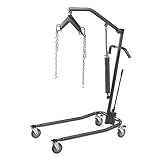 Drive Medical Hydraulic Patient Lift
A full lift is what makes one person able to manage a transfer alone. It is the single purchase that most often delays a move into residential care.
Check price on Amazon →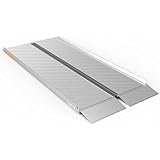 EZ-ACCESS Singlefold Wheelchair Ramp, 6 ft
Folds like a suitcase and carries in a car boot, so the same ramp handles the front step at home and the kerb at an appointment.
Check price on Amazon → Drive Medical Nitro Rollator with Seat
The seat matters more than the wheels. Being able to stop and rest is what decides whether someone still goes out at all.
Check price on Amazon → Vive Stand Assist Rail for Couch or Chair
Getting out of a low sofa is where most falls at home start. This is the cheapest thing on the list and often the first one needed.
Check price on Amazon →As an Amazon Associate we earn from qualifying purchases, at no extra cost to you. Researched guidance, not medical advice. Prices change, so check before buying.
The Most Dangerous Drug Combinations
Blood Thinners + Pain Relievers
Warfarin (Coumadin) + NSAIDs
The problem: NSAIDs like ibuprofen (Advil, Motrin) and naproxen (Aleve) increase bleeding risk when combined with blood thinners. They also irritate the stomach lining, increasing risk of GI bleeding.
Signs of trouble: Blood in urine or stool, black tarry stools, unusual bruising, prolonged bleeding from cuts, coughing up blood, severe headache
Safer alternative: Acetaminophen (Tylenol) for pain, but check with doctor first as it can still interact at high doses
Blood Thinners + Aspirin
The problem: Some patients legitimately take both (under doctor supervision), but unsupervised combination dramatically increases bleeding risk.
Important: Never add aspirin to a blood thinner regimen without explicit doctor approval. Even "baby aspirin" can be dangerous.
Heart Medications
Digoxin + Amiodarone
The problem: Amiodarone increases digoxin levels in the blood, potentially causing toxicity even at normal doses.
Signs of trouble: Nausea, vomiting, vision changes (yellow-green halos), confusion, irregular heartbeat
Note: These may be prescribed together intentionally, but digoxin dose usually needs to be reduced. Ensure this has been addressed.
Beta Blockers + Calcium Channel Blockers
The problem: Both slow the heart. Together they can cause extreme bradycardia (slow heart rate) or heart block.
Signs of trouble: Dizziness, fainting, extreme fatigue, very slow pulse
Note: Sometimes prescribed together carefully, but requires monitoring
ACE Inhibitors + Potassium Supplements
The problem: ACE inhibitors (lisinopril, enalapril) cause potassium retention. Adding potassium supplements can push levels dangerously high.
Signs of trouble: Muscle weakness, irregular heartbeat, nausea, tingling
Also avoid: Salt substitutes (often contain potassium chloride)
Central Nervous System Depressants
Opioids + Benzodiazepines
The problem: Both suppress breathing. Together, they can cause breathing to stop. The FDA has issued multiple black box warnings about this combination.
Common opioids: Oxycodone, hydrocodone, morphine, tramadol, codeine
Common benzodiazepines: Alprazolam (Xanax), lorazepam (Ativan), diazepam (Valium), clonazepam (Klonopin)
Signs of trouble: Extreme drowsiness, slowed breathing, confusion, unresponsiveness
Critical: If your parent takes both, ensure they're prescribed by the same doctor who is monitoring closely. This combination kills thousands every year.
Opioids + Sleep Medications
The problem: Sleep medications like zolpidem (Ambien), eszopiclone (Lunesta), and even over-the-counter antihistamines add to CNS depression.
Risk: Breathing problems, extreme sedation, falls
Multiple Anticholinergic Medications
The problem: Many common medications have anticholinergic effects. The effects are cumulative, each one adds to the burden.
Common anticholinergics:
- Antihistamines: diphenhydramine (Benadryl), chlorpheniramine
- Bladder medications: oxybutynin (Ditropan), tolterodine (Detrol)
- Tricyclic antidepressants: amitriptyline, nortriptyline
- Muscle relaxants: cyclobenzaprine (Flexeril)
- Some antipsychotics and anti-nausea medications
Signs of trouble: Confusion, dry mouth, constipation, urinary retention, blurred vision, falls
Diabetes Medications
Sulfonylureas + Beta Blockers
The problem: Beta blockers (metoprolol, atenolol) can mask the warning signs of low blood sugar, rapid heartbeat, shakiness, sweating. Your parent may not recognize they're hypoglycemic until it's severe.
Sulfonylureas: Glipizide, glyburide, glimepiride
Metformin + Contrast Dye
The problem: IV contrast dye used in CT scans can cause kidney problems, and metformin can accumulate to toxic levels if kidneys aren't working well.
Protocol: Metformin is typically stopped before contrast procedures and restarted after kidney function is confirmed. Ensure all providers know about metformin before any imaging procedures.
Mental Health Medications
SSRIs + MAOIs
The problem: This combination can cause dangerous serotonin buildup. MAOIs are rarely prescribed now, but some older patients may still take them.
SSRIs: Fluoxetine (Prozac), sertraline (Zoloft), citalopram (Celexa), escitalopram (Lexapro), paroxetine (Paxil)
MAOIs: Phenelzine (Nardil), tranylcypromine (Parnate), selegiline
Signs of serotonin syndrome: Agitation, confusion, rapid heartbeat, high blood pressure, dilated pupils, muscle twitching, diarrhea, fever
SSRIs + Tramadol
The problem: Tramadol has serotonin activity. Combined with SSRIs, it increases serotonin syndrome risk. Also lowers seizure threshold.
Note: This combination is sometimes used but requires awareness of the risks
Antibiotics and Other Medications
Fluoroquinolones + Blood Thinners
The problem: Antibiotics like ciprofloxacin (Cipro) and levofloxacin (Levaquin) increase the effect of warfarin, potentially causing dangerous bleeding.
Action: If your parent takes warfarin and is prescribed a fluoroquinolone, their INR should be monitored more frequently
Fluoroquinolones + NSAIDs
The problem: This combination can lower the seizure threshold, especially in patients with no seizure history.
Fluoroquinolones also have: Risk of tendon rupture, especially in patients also taking steroids
Foods and Beverages That Interact with Medications
Grapefruit + Many Medications
The problem: Grapefruit interferes with enzymes that break down many drugs, causing them to reach higher (sometimes toxic) levels.
Affected drugs include:
- Statins (especially simvastatin, atorvastatin)
- Some blood pressure medications
- Some anti-anxiety medications
- Some immunosuppressants
Action: Check all medication labels for grapefruit warnings
Vitamin K-Rich Foods + Warfarin
The problem: Vitamin K counteracts warfarin. Sudden increases in vitamin K-rich foods can make warfarin less effective.
High vitamin K foods: Kale, spinach, broccoli, Brussels sprouts, green tea
Action: Don't eliminate these foods, just keep intake consistent day to day
Alcohol + Many Medications
Dangerous with:
- Opioids (respiratory depression)
- Benzodiazepines (respiratory depression)
- Blood pressure medications (drops BP further)
- Diabetes medications (low blood sugar)
- Metformin (lactic acidosis risk)
- Sleep medications (excessive sedation)
How to Prevent Dangerous Interactions
Use One Pharmacy
Fill all prescriptions at the same pharmacy. Their computer system will flag interactions that multiple pharmacies wouldn't catch. Build a relationship with your pharmacist, they're medication experts.
Keep an Updated Medication List
Include:
- All prescription medications
- Over-the-counter medications
- Vitamins and supplements
- Herbal products
- Dosages and how often taken
Once a year, put all of your parent's medications in a bag and bring them to their primary care doctor or pharmacist for a comprehensive review. Ask: "Are all of these still necessary? Are there any interactions? Can any be stopped or simplified?"
Questions to Ask
When a new medication is prescribed:
- Does this interact with any current medications?
- Are there any foods to avoid?
- What side effects should we watch for?
- Is this medication appropriate for someone their age?
- Is there a safer alternative?
Watch for Warning Signs
Call the doctor if your parent experiences:
- New confusion or mental status changes
- Unusual bleeding or bruising
- New dizziness or falls
- Extreme drowsiness
- Rash after starting a new medication
- Irregular heartbeat
- Difficulty breathing
Resources for Checking Interactions
- Drugs.com Interaction Checker: Free online tool
- Medscape Drug Interaction Checker: Professional-grade tool
- WebMD Interaction Checker: User-friendly interface
- Your pharmacist: The most accessible expert
Online interaction checkers are helpful but don't replace professional judgment. They may miss complex interactions or not account for your parent's specific health conditions. Always confirm concerns with a pharmacist or doctor.
Track Your Parent's Medications
Our Complete Caregiver Toolkit includes medication tracking sheets, doctor visit prep guides, and pharmacy communication templates.
Get the Complete GuideKey Takeaways
- Elderly patients are at much higher risk for drug interactions
- Blood thinners + pain relievers and opioids + sedatives are among the most dangerous combinations
- Over-the-counter medications and supplements can cause serious interactions
- Use one pharmacy and keep an updated medication list
- Ask about interactions every time a new drug is prescribed
- Watch for new symptoms after medication changes
- When in doubt, call the pharmacist
Frequently Asked Questions
What medications should elderly avoid?
The Beers Criteria lists medications potentially inappropriate for older adults, including: benzodiazepines (Valium, Xanax), anticholinergics (Benadryl, some bladder medications), NSAIDs for prolonged use, certain muscle relaxants, and some sleep medications. However, 'avoid' doesn't mean 'never use', sometimes benefits outweigh risks. Always consult a physician before stopping any medication.
Can blood thinners be taken with pain medications?
Blood thinners like warfarin interact dangerously with many pain medications. NSAIDs (ibuprofen, aspirin, naproxen) increase bleeding risk significantly. Acetaminophen (Tylenol) is generally safer but can interact at high doses. Always check with a pharmacist or doctor before combining any medications with blood thinners, and report unusual bruising or bleeding immediately.
How many medications is too many for elderly?
Taking 5 or more medications (polypharmacy) increases the risk of drug interactions, side effects, and adherence problems. Over 10 medications substantially increases hospitalization risk. However, the 'right' number depends on the individual's conditions. Regular medication reviews with a pharmacist or geriatrician can help identify unnecessary medications and dangerous combinations.
What is the most common drug interaction in elderly?
Combining multiple medications that lower blood pressure is among the most common dangerous interactions, leading to dizziness, falls, and fainting. Blood thinner interactions are also extremely common and dangerous. Sedative interactions (combining sleep aids, anxiety medications, pain medications, or alcohol) frequently cause falls and cognitive impairment in elderly patients.