Nutrition and Hydration for Elderly Parents
Good nutrition keeps elderly parents stronger, sharper, and healthier. When appetite fades and eating becomes harder, these practical strategies help ensure adequate nourishment.
Malnutrition affects up to 50% of older adults and increases risk of falls, infections, hospitalization, and cognitive decline. Dehydration is equally dangerous. Many seniors don't realize they're not eating or drinking enough.
Why Eating Gets Harder with Age
- Decreased appetite - Hormonal changes reduce hunger signals
- Taste and smell decline - Food becomes less appealing
- Dental problems - Chewing becomes difficult or painful
- Medications - Many cause nausea, dry mouth, or appetite changes
- Swallowing difficulties - Dysphagia makes eating scary
- Depression - Loss of interest in food and eating
- Loneliness - Eating alone reduces appetite
- Physical limitations - Difficulty shopping, cooking, or feeding themselves
- Chronic diseases - Diabetes, kidney disease, heart failure affect diet
The equipment that changes the most
Most of what caregiving costs is time. These four are the purchases that reliably buy some of it back, and they are the ones families tell us they wish they had bought sooner.
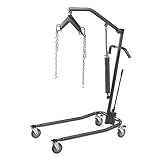 Drive Medical Hydraulic Patient Lift
A full lift is what makes one person able to manage a transfer alone. It is the single purchase that most often delays a move into residential care.
Check price on Amazon →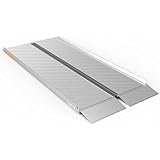 EZ-ACCESS Singlefold Wheelchair Ramp, 6 ft
Folds like a suitcase and carries in a car boot, so the same ramp handles the front step at home and the kerb at an appointment.
Check price on Amazon → Drive Medical Nitro Rollator with Seat
The seat matters more than the wheels. Being able to stop and rest is what decides whether someone still goes out at all.
Check price on Amazon → Vive Stand Assist Rail for Couch or Chair
Getting out of a low sofa is where most falls at home start. This is the cheapest thing on the list and often the first one needed.
Check price on Amazon →As an Amazon Associate we earn from qualifying purchases, at no extra cost to you. Researched guidance, not medical advice. Prices change, so check before buying.
Warning Signs of Poor Nutrition
Weight Loss
Unintentional weight loss of more than 5% in a month or 10% over 6 months is significant. Clothes becoming loose, belt needing tighter holes.
Weakness and Fatigue
Increasing tiredness, trouble getting up from chairs, reduced activity level.
Poor Wound Healing
Cuts and sores taking longer to heal, increased bruising.
Cognitive Changes
Increased confusion, difficulty concentrating - can be worsened by poor nutrition.
Frequent Infections
Getting sick more often, infections lasting longer.
Practical Strategies to Improve Nutrition
Making Food More Appealing
Add Flavor
Use herbs, spices, garlic, lemon. When taste fades, stronger flavors help food seem more appealing.
Make It Look Good
Colorful plates, nice presentation. People eat more when food looks appetizing.
Favorite Foods
Focus on foods they've always loved rather than forcing "healthy" foods they don't like.
Temperature Matters
Serve hot foods hot, cold foods cold. Room temperature is often less appetizing.
When Chewing Is Difficult
- Soft foods: eggs, fish, ground meat, cooked vegetables
- Cut food into small pieces
- Add sauces and gravies to make swallowing easier
- Smoothies and protein shakes
- Well-cooked pasta and rice
- Mashed potatoes with added butter/cream for calories
- Address dental problems - loose dentures, painful teeth
Boosting Calories and Protein
Seniors often eat less volume. Make each bite count by adding extra nutrition:
- Add cheese to vegetables, eggs, potatoes
- Use whole milk instead of skim
- Add peanut butter to toast, smoothies, oatmeal
- Include protein at every meal
- Add olive oil or butter to foods
- Nutritional drinks like Ensure or Boost as snacks
Eating Alone
Social isolation significantly reduces appetite. Options to help:
- Eat together via video call
- Senior center lunch programs
- Meals on Wheels provides daily social contact
- Invite family for regular meals
- Adult day programs often include lunch
- Eat with TV on for company (not ideal but better than silence)
Hydration: The Often-Overlooked Need
Dehydration is dangerously common in elderly people because:
- Thirst sensation decreases with age
- Some deliberately drink less to reduce bathroom trips
- Medications (especially diuretics) increase fluid needs
- Dementia may cause them to forget to drink
- Confusion or increased confusion
- Dark urine or infrequent urination
- Dizziness, especially when standing
- Dry mouth and lips
- Headaches
- Rapid heart rate
- Skin that doesn't bounce back when pinched
Encouraging Fluid Intake
- Keep water visible and within reach at all times
- Offer fluids with medications
- Drinks they enjoy: tea, juice, flavored water
- Water-rich foods: watermelon, grapes, soup, yogurt
- Set reminders or alarms
- Straws can make drinking easier
- Track intake with a simple chart
How Much Fluid?
General guideline: 6-8 cups (48-64 oz) daily, but needs vary based on:
- Body size
- Activity level
- Medications
- Medical conditions (some need fluid restrictions)
- Weather and temperature
Ask their doctor for personalized guidance.
Special Dietary Considerations
Diabetes
- Consistent carbohydrate intake
- Regular meal timing
- Balance of protein, carbs, and fat
- Avoid large blood sugar swings
Heart Disease
- Limit sodium (check with doctor on target)
- Heart-healthy fats
- May need fluid restriction
Kidney Disease
- May need to limit protein, potassium, phosphorus
- Specific restrictions depend on stage
- Work with renal dietitian
Consider getting professional help if your parent has significant weight loss, multiple dietary restrictions, swallowing difficulties, or you're struggling to maintain adequate nutrition. Medicare covers medical nutrition therapy for diabetes and kidney disease.
Meal Planning and Practical Tips
Easy, Nutritious Foods to Keep on Hand
- Protein: Eggs, cheese, yogurt, peanut butter, canned fish
- Quick meals: Frozen meals (look for lower sodium), canned soup, rotisserie chicken
- Fruits: Bananas, applesauce, canned fruit in juice
- Vegetables: Frozen vegetables, canned low-sodium vegetables
- Snacks: Crackers with cheese, trail mix, protein bars
- Drinks: Ensure, Boost, milk, juice
If They Live Alone
- Prepare and freeze individual meal portions during visits
- Set up Meals on Wheels or similar service
- Grocery delivery services
- Simple microwave meals they can manage
- Consider a home care aide to help with meal prep
When Eating Becomes Dangerous: Swallowing Problems
If your parent coughs or chokes while eating, has a wet/gurgly voice after eating, or gets frequent pneumonia, they may have dysphagia (swallowing difficulty). This requires:
- Evaluation by a speech-language pathologist
- Possible modified diet (thickened liquids, pureed foods)
- Safe swallowing techniques
- Sometimes medical intervention
See our guide: Speech Therapy for Elderly Parents
Track Nutrition and Health
Our Care Coordination Binder helps you track meals, weight, and share information with providers.
View Resources