Speech-language pathologists (SLPs) do far more than help with talking. They treat swallowing disorders (dysphagia), cognitive communication problems, and voice issues, all common in aging. If your parent is choking on food, struggling to speak after stroke, or losing word-finding ability, speech therapy can help.
What Speech Therapy Treats in Elderly Adults
- Swallowing (Dysphagia) - Difficulty eating and drinking safely
- Speech & Language - Speaking, understanding, word-finding
- Cognitive Communication - Memory, attention, problem-solving affecting communication
The equipment that changes the most
Most of what caregiving costs is time. These four are the purchases that reliably buy some of it back, and they are the ones families tell us they wish they had bought sooner.
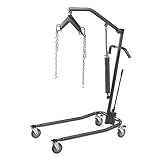 Drive Medical Hydraulic Patient Lift
A full lift is what makes one person able to manage a transfer alone. It is the single purchase that most often delays a move into residential care.
Check price on Amazon →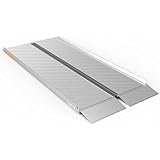 EZ-ACCESS Singlefold Wheelchair Ramp, 6 ft
Folds like a suitcase and carries in a car boot, so the same ramp handles the front step at home and the kerb at an appointment.
Check price on Amazon → Drive Medical Nitro Rollator with Seat
The seat matters more than the wheels. Being able to stop and rest is what decides whether someone still goes out at all.
Check price on Amazon → Vive Stand Assist Rail for Couch or Chair
Getting out of a low sofa is where most falls at home start. This is the cheapest thing on the list and often the first one needed.
Check price on Amazon →As an Amazon Associate we earn from qualifying purchases, at no extra cost to you. Researched guidance, not medical advice. Prices change, so check before buying.
Swallowing Problems (Dysphagia)
Dysphagia, difficulty swallowing, affects 15-40% of adults over 60. It's a serious condition that can lead to choking, aspiration pneumonia, malnutrition, and dehydration. SLPs are the primary professionals who diagnose and treat swallowing disorders.
Warning Signs of Swallowing Problems
How Swallowing Is Evaluated
Clinical Swallowing Exam
The SLP watches your parent eat and drink different consistencies, checking for coughing, voice changes, and signs of difficulty. This bedside exam is usually the first step.
Modified Barium Swallow Study (MBSS)
An X-ray video of swallowing. Your parent eats and drinks foods mixed with barium while the radiologist and SLP watch on screen. This shows exactly where swallowing is breaking down and if food is entering the airway.
Fiberoptic Endoscopic Evaluation (FEES)
A thin scope is passed through the nose to watch the throat during swallowing. Shows how well the voice box closes and how well food clears. Can be done at bedside without radiation.
Swallowing Therapy Techniques
- Swallowing exercises - Strengthening muscles involved in swallowing
- Compensatory strategies - Chin tuck, head turn, multiple swallows
- Diet modifications - Changing food textures and liquid thickness
- Sensory techniques - Temperature, taste, or pressure changes to stimulate swallowing
- Postural changes - Best position for eating
- Effortful swallowing - Swallowing with more force
Modified Diets for Swallowing Safety
The IDDSI (International Dysphagia Diet Standardization Initiative) framework defines food and liquid consistencies:
Thin Liquids (Level 0)
Normal water, coffee, juice
- Flows quickly
- Hardest to control
- Often restricted
Slightly Thick (Level 1)
Flows through straw, just thicker than water
- Easier than thin
- Still flows freely
Mildly Thick (Level 2)
Like nectar, drinkable from cup
- Pours slowly
- Coats the spoon
Moderately Thick (Level 3)
Like honey, eaten with spoon
- Drips in dollops
- More time to swallow
Pureed (Level 4)
Smooth, no chunks, eaten with spoon
- No chewing needed
- Falls off tilted spoon
Minced & Moist (Level 5)
Soft, small pieces, easily mashed
- Minimal chewing
- 4mm pieces or smaller
Soft & Bite-Sized (Level 6)
Tender, bite-sized pieces
- Chewing required
- Easy to chew
Regular (Level 7)
Normal everyday foods
- All textures
- Full chewing ability
Speech & Language Problems
Aphasia (Language After Stroke)
Aphasia affects the ability to speak, understand, read, or write. It's caused by damage to language centers in the brain, most commonly from stroke. Aphasia doesn't affect intelligence, your parent still knows what they want to say but can't get the words out.
Aphasia Therapy Approaches
- Naming exercises - Practice retrieving specific words
- Script training - Practice common phrases until automatic
- Constraint-induced language therapy - Forced verbal communication without gestures
- Melodic intonation therapy - Using music/singing to access language
- Communication boards/apps - Alternative communication methods
- Caregiver training - How to communicate effectively with your parent
Communicating with Someone with Aphasia
- Speak slowly and clearly, not loudly
- Use short, simple sentences
- Give them time to respond, don't finish their sentences
- Ask yes/no questions when possible
- Use gestures, pictures, and written words as backups
- Reduce background noise during conversations
- Treat them as the intelligent adult they are
Dysarthria (Motor Speech)
Dysarthria affects the muscles used for speech, tongue, lips, vocal cords, breathing. Speech may be slurred, slow, soft, or hard to understand. Common after stroke, Parkinson's, ALS, MS, or brain injury.
Therapy focuses on:
- Strengthening speech muscles
- Slowing speech rate
- Improving breath support
- Over-articulating sounds
- Using pacing boards or apps
- Alternative communication if needed
Voice Disorders
SLPs also treat voice problems common in elderly adults:
- Vocal fold weakness - Weak, breathy voice
- Parkinson's voice - Soft, monotone speech
- Vocal nodules/polyps - Hoarseness
- Spasmodic dysphonia - Strained, strangled voice
Cognitive Communication
When dementia, brain injury, or other conditions affect thinking skills, communication suffers. SLPs work on:
- Attention - Staying focused during conversation
- Memory - Remembering conversation topics, using memory aids
- Executive function - Organizing thoughts, staying on topic
- Social communication - Turn-taking, reading social cues
- Problem-solving - Working through communication breakdowns
SLP Support for Dementia
While SLPs can't cure dementia, they can:
- Develop compensatory strategies (memory books, routines)
- Train caregivers on effective communication techniques
- Optimize remaining abilities
- Monitor and address swallowing safety
- Support quality of life through meaningful activities
Medicare Coverage for Speech Therapy
- Ordered by a doctor
- Medically necessary
- Provided by a licensed SLP or supervised assistant
- Reasonably expected to improve function or prevent decline
What Medicare Pays
- Part B outpatient: 80% after the $257 annual deductible
- Home health: 100% if part of a Medicare home health plan
- SNF: 100% during days 1-20, copay days 21-100
Getting a Speech Therapy Referral
- Ask your parent's doctor about speech therapy for the specific concern
- Doctor writes an order for SLP evaluation
- SLP evaluates and documents findings
- Treatment plan created with specific goals
- Progress documented at each visit
Finding a Speech-Language Pathologist
- ASHA ProFind: American Speech-Language-Hearing Association directory at asha.org/profind
- Home health agencies: If your parent is homebound
- Hospital outpatient rehab: Many hospitals have SLP services
- Private practices: Specialize in specific conditions
- Skilled nursing facilities: During rehab stays
Questions to Ask an SLP
- What experience do you have with [parent's condition]?
- What assessments will you perform?
- What are realistic goals?
- How will you involve me as caregiver?
- How often should we meet?
- What can we practice at home?
Supporting Your Parent's Progress
- Practice daily - Home exercises are essential for progress
- Be patient - Give them time to communicate
- Follow diet recommendations exactly - Modified diets prevent aspiration
- Create a communication-friendly environment - Reduce noise, face them, use good lighting
- Don't correct constantly - Focus on message, not perfection
- Attend sessions - Learn techniques to use at home
- Report changes - Tell the SLP about new symptoms
When to Seek Help Urgently
- Sudden speech changes - Could indicate stroke (call 911)
- Complete inability to swallow - Medical emergency
- Choking that doesn't resolve - Call 911
- Fever with swallowing difficulty - May indicate aspiration pneumonia
- Sudden face drooping - Stroke symptom (call 911)
The Bottom Line
Speech therapy can dramatically improve quality of life for elderly adults with swallowing, speech, or cognitive communication problems. If your parent is struggling with any of these areas, ask their doctor about a speech-language pathology evaluation. Early intervention often leads to better outcomes.
Coordinating Your Parent's Care
Our caregiver resources include guides to managing therapy appointments, tracking progress, and communicating with the care team.
View Caregiver ResourcesRelated Guides
Keep exploring with these hand-picked guides on related topics.
When Caregiving Strains Your Marriage: Spouse & Parent Conflicts
How to protect your marriage while caring for elderly parents. Managing spouse resentment, setting boundaries, and keepi
Stroke in Elderly Parents: Warning Signs, FAST & What to Do
Learn stroke warning signs using FAST, what to do during a stroke, recovery expectations, and how to reduce your parent'
Alcohol and Elderly Parents: Warning Signs and How to Help
Alcohol misuse in older adults is often hidden and dangerous. Learn the signs, health risks, medication interactions, an
Anxiety in Elderly Parents: Signs, Causes & How to Help
Recognizing anxiety in aging parents. Common triggers, calming strategies, when medication helps, and managing your own