⚠️ Stroke Is a Medical Emergency
If you suspect a stroke, call immediately:
Don't wait to see if symptoms improve. Don't drive to the hospital yourself.
Stroke is the fifth leading cause of death in the United States and a leading cause of serious long-term disability. For adults over 65, the risk doubles every decade. Knowing the warning signs, and acting on them immediately, can mean the difference between full recovery and permanent disability or death.
The FAST Test: Spot a Stroke
FAST is the easiest way to remember and identify stroke symptoms. Teach this to everyone in your family:
Ask them to smile. Does one side of the face droop or feel numb?
Ask them to raise both arms. Does one arm drift downward?
Ask them to repeat a simple phrase. Is speech slurred or strange?
If any of these signs appear, call 911 immediately. Note the time symptoms started.
The equipment that changes the most
Most of what caregiving costs is time. These four are the purchases that reliably buy some of it back, and they are the ones families tell us they wish they had bought sooner.
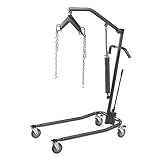 Drive Medical Hydraulic Patient Lift
A full lift is what makes one person able to manage a transfer alone. It is the single purchase that most often delays a move into residential care.
Check price on Amazon →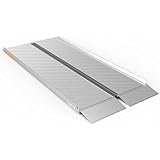 EZ-ACCESS Singlefold Wheelchair Ramp, 6 ft
Folds like a suitcase and carries in a car boot, so the same ramp handles the front step at home and the kerb at an appointment.
Check price on Amazon → Drive Medical Nitro Rollator with Seat
The seat matters more than the wheels. Being able to stop and rest is what decides whether someone still goes out at all.
Check price on Amazon → Vive Stand Assist Rail for Couch or Chair
Getting out of a low sofa is where most falls at home start. This is the cheapest thing on the list and often the first one needed.
Check price on Amazon →As an Amazon Associate we earn from qualifying purchases, at no extra cost to you. Researched guidance, not medical advice. Prices change, so check before buying.
Additional Warning Signs
While FAST covers the most common symptoms, strokes can also cause:
Sudden Onset Of:
- Confusion or trouble understanding
- Severe headache with no known cause
- Trouble seeing in one or both eyes
- Trouble walking, dizziness, loss of balance
- Numbness in face, arm, or leg (especially one side)
In Women, Also Watch For:
- Sudden hiccups
- Sudden nausea
- General weakness
- Chest pain
- Shortness of breath
- Sudden behavioral changes
Types of Stroke
Ischemic Stroke
of all strokes
- Caused by blocked blood vessel
- Blood clot blocks artery to brain
- Treatment: clot-busting drugs (tPA), clot removal
- Best outcomes if treated within 3-4.5 hours
Hemorrhagic Stroke
of all strokes
- Caused by bleeding in brain
- Blood vessel ruptures
- Treatment: surgery, pressure management
- Often more severe, higher mortality
What to Do During a Stroke
Call 911 immediately
Don't call the doctor's office. Don't drive to the ER yourself. Call 911 so treatment can begin in the ambulance.
Note the time symptoms started
This is critical. Treatment options depend on how long ago symptoms began. If you don't know, note when you last saw them normal.
Stay calm and keep them comfortable
Have them lie down with head slightly elevated. Loosen tight clothing. Stay with them and reassure them.
Gather critical information
While waiting for EMS: list of medications, medical history, allergies, and any blood thinners they take.
Be ready for CPR
If they become unresponsive and stop breathing, be prepared to start CPR until help arrives.
What NOT to Do
- Don't give them food or water (swallowing may be impaired)
- Don't give them aspirin (could worsen hemorrhagic stroke)
- Don't let them "sleep it off" or wait to see if symptoms improve
- Don't drive them to the hospital yourself, ambulances have equipment and alert the hospital
Stroke Recovery
Recovery depends on stroke severity, location in the brain, how quickly treatment was received, and overall health. Here's what to generally expect:
Acute Phase: Hospital
Stabilization, preventing additional strokes, early rehabilitation assessment. Your parent may be in ICU initially. Brain swelling is a major concern in the first few days.
Early Recovery: Inpatient Rehab
Intensive physical, occupational, and speech therapy if needed. Most rapid recovery occurs in the first weeks. Insurance typically covers inpatient rehab if patient can tolerate 3 hours of therapy daily.
Subacute Recovery: Home or Outpatient
Continued therapy, adapting to limitations, learning compensatory strategies. May transition to skilled nursing facility if unable to go home. Home modifications may be needed.
Long-Term Recovery
Recovery can continue for months or years, though at a slower rate. Focus on preventing another stroke, managing new limitations, addressing depression (common post-stroke).
Stroke Risk Factors
Controllable Risk Factors
#1 risk factor
Irregular heartbeat
Damages blood vessels
Doubles stroke risk
Linked to other risks
Raises blood pressure
Uncontrollable Risk Factors
Risk doubles each decade after 55
Genetic factors
Higher in Black Americans
More women die from stroke
Preventing Stroke
Up to 80% of strokes are preventable. Work with your parent's healthcare team on these strategies:
Blood Pressure Control
The single most important thing. Target is usually below 130/80.
- Take medications as prescribed
- Monitor blood pressure at home
- Reduce sodium intake
- Limit alcohol
Manage Atrial Fibrillation
AFib increases stroke risk 5x. Many people have it without knowing.
- Blood thinners dramatically reduce stroke risk
- Regular monitoring (ECG, wearables)
- Heart rate or rhythm control medications
Medication Adherence
Stroke prevention medications only work if taken consistently.
- Blood thinners (warfarin, Eliquis, Xarelto)
- Blood pressure medications
- Cholesterol medications (statins)
- Diabetes medications
Lifestyle Modifications
- Quit smoking (risk drops significantly within years)
- Physical activity (even light walking helps)
- Heart-healthy diet (Mediterranean, DASH)
- Maintain healthy weight
- Limit alcohol to moderate amounts
Track Medications & Symptoms
Consistent medication tracking and symptom logging can help prevent strokes and catch warning signs early.
Get the Care Coordination BinderAfter a Parent's Stroke
If your parent has had a stroke, your role as caregiver becomes critical:
Immediate Priorities
- Understand the type and location of stroke
- Learn about expected deficits
- Participate in care conferences
- Plan for discharge early
- Research rehab options
Ongoing Support
- Ensure medication compliance
- Transport to therapy appointments
- Home safety modifications
- Watch for signs of depression
- Prevent another stroke