One in four adults over 65 falls each year, and falls are the leading cause of injury-related death in seniors. Whether you're present when your parent falls or get a call after the fact, knowing what to do can prevent further injury and save lives.
⚠️ Call 911 Immediately If:
- They hit their head (even if they seem fine)
- They're unconscious or confused
- They can't move a limb or it looks deformed
- They're in severe pain
- They're bleeding significantly
- They take blood thinners (increased bleeding risk)
- They can't get up, even with help
- You suspect a hip or spine injury
Immediate Steps After a Fall
Stay calm and assess
Don't rush to move them. Take a breath and assess the situation. Ask them what happened and where they hurt. A calm response helps them stay calm too.
Check for obvious injuries
Look for bleeding, swelling, or limbs at odd angles. Ask if they have pain anywhere, especially head, neck, back, or hips. Don't move them if you suspect spinal injury.
Determine if they can get up safely
If there's no obvious injury and they feel able, you can help them up using the proper technique. If in doubt, call for medical help first.
Keep them comfortable if waiting for help
Cover them with a blanket if cold. Don't give food or water in case surgery is needed. Stay with them and keep them calm.
Document what happened
Once the crisis is managed, note what caused the fall, the time, symptoms, and any injuries. This information helps doctors and prevents future falls.
As an Amazon Associate, we earn from qualifying purchases.
Essential Fall Recovery & Prevention Products
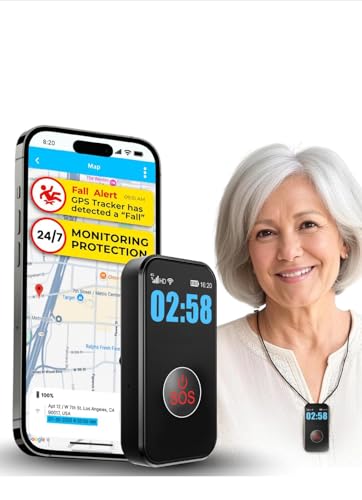 Medical Alert System with Fall Detection Automatic fall detection and 24/7 emergency response when they cannot call for help
 Moen Grab Bar (16-Inch) Essential bathroom safety aid that supports up to 500 lbs for stability
 Vive Bed Rail for Seniors Provides stability when getting in and out of bed to prevent nighttime falls
 Motion Sensor Night Lights (6-Pack) Automatically illuminates hallways and bathrooms to prevent nighttime falls
How to Safely Help Them Up
Only attempt this if they have no signs of serious injury and feel able to try getting up:
Safe Getting-Up Technique
- Roll to side: Help them roll onto their side, then onto their hands and knees (crawling position)
- Crawl to furniture: Have them crawl to a sturdy chair or piece of furniture
- Put hands on furniture: They place their hands on the seat of the chair
- Bring one leg up: They bring their stronger leg forward, placing that foot flat on the floor (in a kneeling lunge position)
- Push up: Using their arms and front leg, they push up and turn to sit on the chair
- Rest: Have them sit for several minutes before standing. Check for dizziness.
If They Hit Their Head
Head injuries in seniors are especially serious, particularly if they take blood thinners. Even if they seem fine initially, symptoms can develop hours later.
Watch for These Signs in the Next 24-48 Hours
If any of these appear, seek emergency care immediately. Brain bleeds can be fatal if not treated promptly.
Questions to Ask and Document
About the Fall
- What were they doing?
- Did they trip, slip, or feel weak?
- Did they black out or feel dizzy first?
- Did anything else happen (chest pain, palpitations)?
- What time did it happen?
After the Fall
- Where exactly do they hurt?
- Can they move all limbs?
- Any numbness or tingling?
- Did they hit their head?
- Any visible injuries?
After the Immediate Crisis
In the First 24-48 Hours
- Watch for delayed symptoms (pain, swelling, confusion)
- Check the fall site for bruising that may not have appeared initially
- Monitor for hidden injuries, hip fractures sometimes allow walking initially
- Watch for signs of internal bleeding if they take blood thinners
Report the Fall to Their Doctor
Even if there's no obvious injury, their doctor should know about falls. Share:
- What caused the fall (if known)
- Any symptoms before the fall (dizziness, weakness, confusion)
- Current medications (some increase fall risk)
- Whether this is a first fall or recurring
When Falls Keep Happening
Recurrent falls are a red flag that something needs to change. Consider:
Medical Evaluation
- Medication review (many cause dizziness or weakness)
- Blood pressure check (orthostatic hypotension)
- Vision and hearing tests
- Gait and balance assessment
- Check for UTI (causes confusion in elderly)
- Evaluate for neurological conditions
Home Safety Assessment
- Remove throw rugs and clutter
- Install grab bars in bathroom
- Improve lighting, especially at night
- Secure electrical cords
- Add railings on both sides of stairs
- Consider a medical alert system
Mobility Support
- Properly fitted walking aids
- Physical therapy for strength and balance
- Appropriate footwear (no slippers, no high heels)
- Occupational therapy for home modifications
Medical Alert Systems
If your parent lives alone or falls frequently, a medical alert system provides crucial protection. Options include:
Traditional Alert Buttons
- Worn as pendant or wristband
- Press button to call for help
- Connected to monitoring center
- Works if conscious and able to press
- $20-50/month typical cost
Fall Detection Systems
- Automatically detect falls
- No button press required
- GPS tracking options
- Higher cost ($30-60/month)
- Can have false alarms
Track Falls and Symptoms
Our daily care log helps you document falls, track patterns, and share information with doctors.
Get the Care Coordination BinderWhen Falls Indicate Bigger Changes Needed
Sometimes falls signal that your parent's current living situation is no longer safe:
- Falls are happening repeatedly despite interventions
- They can't get up on their own after a fall
- They're afraid to move around their home
- Cognitive issues prevent them from using safety precautions
- They need help with basic daily activities
- You're constantly worried about them falling when alone
This might mean hiring in-home help, moving to assisted living, or having them move in with family. A geriatric care manager can help assess the situation and recommend appropriate next steps.