When Is It Time for Assisted Living?
This might be the hardest question in caregiving. Your parent wants to stay home. You want to respect their wishes. But you're worried. Something isn't right. How do you know when home is no longer safe, and what do you do about it?
For most families, it's not one dramatic event that signals "time to move." It's an accumulation of concerns, close calls, and declining function. The decision often comes down to: Is the risk of staying home greater than the disruption of moving?
Warning Signs That Home May Not Be Safe
Repeated Falls
One fall is a warning. Multiple falls, especially unexplained ones or falls resulting in injury, suggest home isn't safe. Falls often indicate underlying problems: medication issues, balance problems, vision changes, or cognitive decline.
Medication Errors
Missing doses, doubling up, taking wrong medications, or confusion about what they're taking. Medication errors can be life-threatening and often indicate cognitive changes that will only worsen.
Unsafe Cooking
Leaving the stove on, forgetting food is cooking, burning pots, or having close calls with fire. Kitchen fires are a leading cause of home fire deaths in elderly, this is serious.
Wandering or Getting Lost
Getting lost while driving, wandering outside at night, or not knowing where they are. This puts them at immediate risk and usually indicates dementia progression.
Declining Personal Hygiene
Not bathing, wearing same clothes for days, body odor, neglected grooming. This can indicate depression, cognitive decline, or physical inability to manage self-care.
Weight Loss or Malnutrition
Not eating properly, expired food in fridge, empty refrigerator, significant weight loss. Nutrition problems lead to weakness, falls, and cognitive changes.
House Is Declining
Previously tidy house now cluttered, dishes piling up, laundry undone, mail unopened, bills unpaid. The home reflects their declining ability to manage daily life.
Increasing Isolation
Stopped seeing friends, quit activities they enjoyed, rarely leaving the house. Social isolation worsens depression and accelerates cognitive decline.
Poor Judgment Decisions
Giving money to scammers, inappropriate financial decisions, dangerous choices, inability to recognize when they need help. Judgment decline often comes before memory problems.
You're Burning Out
Your health is suffering, your job is at risk, your relationships are strained, you can't provide the level of care they need. Your wellbeing matters too.
The equipment that changes the most
Most of what caregiving costs is time. These four are the purchases that reliably buy some of it back, and they are the ones families tell us they wish they had bought sooner.
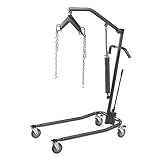 Drive Medical Hydraulic Patient Lift
A full lift is what makes one person able to manage a transfer alone. It is the single purchase that most often delays a move into residential care.
Check price on Amazon → EZ-ACCESS Singlefold Wheelchair Ramp, 6 ft
Folds like a suitcase and carries in a car boot, so the same ramp handles the front step at home and the kerb at an appointment.
Check price on Amazon → Drive Medical Nitro Rollator with Seat
The seat matters more than the wheels. Being able to stop and rest is what decides whether someone still goes out at all.
Check price on Amazon → Vive Stand Assist Rail for Couch or Chair
Getting out of a low sofa is where most falls at home start. This is the cheapest thing on the list and often the first one needed.
Check price on Amazon →As an Amazon Associate we earn from qualifying purchases, at no extra cost to you. Researched guidance, not medical advice. Prices change, so check before buying.
Questions to Help You Decide
Can the risks be managed at home?
Some issues can be addressed with more help: medication management, meal delivery, home care aides. Others, like wandering or dangerous cooking, may not be manageable without 24/7 supervision.
What's the trajectory?
Are things stable, slowly declining, or rapidly worsening? A sudden decline suggests an acute problem (infection, medication issue) that may resolve. Steady decline suggests things will only get harder.
What does "worst case" look like?
If you're worried about falls, what happens if they fall and can't get up? If you're worried about cooking, what happens if there's a fire? Sometimes articulating the worst case clarifies the risk.
What's the cost of maximum home care?
If they need 24/7 home care, that costs $15,000-20,000/month, more than most assisted living. At some point, facility care is both safer and more affordable.
What do the professionals say?
Ask their doctor, a geriatric care manager, or a home health nurse. They've seen many families face this decision and can offer objective perspective.
Common Situations That Trigger the Move
After a Hospitalization
Many families make the decision after a fall, illness, or surgery that requires rehab. The hospital to rehab to assisted living pathway is common. They may not be able to return home safely after the event.
When Home Care Isn't Enough
They have a caregiver but still have problems between visits. Or they refuse home caregivers. Or the cost of adequate home care exceeds assisted living costs.
When the Primary Caregiver Can't Continue
The spouse who provided care becomes ill. The adult child providing care has a health crisis or job loss. Sometimes the move happens because the caregiver's situation changes, not the parent's.
After a Close Call
A fall that didn't result in serious injury but could have. A fire that was caught in time. Getting lost but being found. Close calls are warnings, the next time may be worse.
The Honest Conversation
Most elderly people don't want to leave their homes. Many never fully accept the move. Your goal isn't necessarily agreement, it's making sure they understand the concerns and that you're acting out of love, not convenience.
How to Approach It
- Start early: Don't wait for a crisis. Begin discussing "what if" scenarios before they're urgent.
- Focus on concerns, not conclusions: "I'm worried about you falling" rather than "You need to move."
- Include them in solutions: "What would help you feel safer?" They may surprise you.
- Use "I" statements: "I'm scared something will happen" rather than "You can't manage."
- Enlist allies: Sometimes they'll hear it from a doctor, trusted friend, or sibling differently than from you.
If They Refuse
- Document the concerns and your conversations
- Consider a professional assessment (geriatric care manager)
- Maximize safety at home as much as possible
- Know that you may need to act in a crisis even without their agreement
- Understand they have the right to make risky choices if they have capacity
If your parent has dementia and lacks the capacity to make safe decisions, you may need to make this decision for them. This is different from respecting the wishes of someone who understands the risks but chooses to accept them.
What If They Refuse and You're Worried?
They Have Capacity
If they understand the risks and choose to stay home, you may have to accept it, while documenting your concerns and establishing what emergency would trigger action.
They Lack Capacity
If dementia or other conditions prevent them from understanding the risks, and you have legal authority (power of attorney, guardianship), you may need to make the decision without their agreement. This is gut-wrenching but sometimes necessary.
You're Not Sure About Capacity
Request a capacity evaluation from their doctor or a neuropsychologist. This provides objective information and documentation.
Making the Move Smoother
If They Agree
- Let them be involved in choosing the community
- Tour multiple places together
- Bring familiar items to their new home
- Set up their space before they arrive
- Plan for the adjustment period (usually 2-4 weeks)
If They Don't Agree
- Consider a "trial stay" or "respite" framing
- Have the move coincide with hospital/rehab discharge
- Accept that the first weeks will be hard
- Visit regularly but not constantly, let them acclimate
- Work with facility staff on adjustment strategies
After the Move: Expect Adjustment
The first 2-4 weeks are often difficult. They may:
- Be angry and blame you
- Claim they're fine and want to go home
- Call frequently wanting to leave
- Seem more confused initially (stress response)
This is normal. It doesn't mean you made the wrong decision. Give it time. Most people eventually adjust, especially once they make connections and establish routines.
Moving a parent to assisted living is a loss for you as well. You're grieving the parent who could live independently, the home full of memories, the relationship as it was. Allow yourself to feel this even as you know the decision was right.