First Day at Assisted Living: Making the Transition
Move-in day is here. You've made the decision, chosen the facility, and now it's actually happening. This day will be emotional for everyone. Here's how to make it as smooth as possible, for your parent and for you.
Most people need 3-6 months to fully adjust to assisted living. The first few days and weeks are the hardest. It gets better, though it may not feel that way today.
Before Move-In Day
What to Bring
- Clothing: Comfortable, easy-care clothes labeled with their name. About 1-2 weeks' worth.
- Bedding: Check if facility provides. Their own quilt or blanket adds familiarity.
- Photos: Family photos, wedding pictures, meaningful memories
- Small furniture: Favorite chair, small table if space allows
- Personal items: Clock, lamp, small decorations
- Comfort items: Books, puzzles, crafts they enjoy
- Toiletries: Labeled with name
- Valuables or expensive jewelry (can be lost or cause conflict)
- Too much furniture (room is smaller than home)
- Large amounts of cash
- Items that create safety hazards (candles, heating pads without permission)
- Food that needs refrigeration (unless room has one)
Prepare the Paperwork
- Insurance cards
- Medication list (with dosages and times)
- Doctor contact information
- Advance directives (DNR, living will, healthcare proxy)
- Power of attorney documents
- Emergency contacts
The equipment that changes the most
Most of what caregiving costs is time. These four are the purchases that reliably buy some of it back, and they are the ones families tell us they wish they had bought sooner.
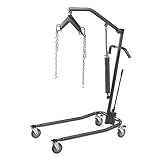 Drive Medical Hydraulic Patient Lift
A full lift is what makes one person able to manage a transfer alone. It is the single purchase that most often delays a move into residential care.
Check price on Amazon → EZ-ACCESS Singlefold Wheelchair Ramp, 6 ft
Folds like a suitcase and carries in a car boot, so the same ramp handles the front step at home and the kerb at an appointment.
Check price on Amazon → Drive Medical Nitro Rollator with Seat
The seat matters more than the wheels. Being able to stop and rest is what decides whether someone still goes out at all.
Check price on Amazon → Vive Stand Assist Rail for Couch or Chair
Getting out of a low sofa is where most falls at home start. This is the cheapest thing on the list and often the first one needed.
Check price on Amazon →As an Amazon Associate we earn from qualifying purchases, at no extra cost to you. Researched guidance, not medical advice. Prices change, so check before buying.
Move-In Day Tips
Morning
- Arrive at a calm time (mid-morning is usually best)
- Bring only essentials, you can bring more later
- Keep your emotions in check in front of them
- Have a positive, matter-of-fact attitude
- Let staff help with the move-in process
Setting Up the Room
- Place familiar items where they can see them
- Put photos by the bed
- Make the bed with familiar bedding
- Set up their phone if they have one
- Program in important numbers
- Label drawers and closet to help them find things
Meeting the Staff
- Introduce your parent to key staff members
- Share important information (preferences, nicknames, fears)
- Ask about the daily schedule
- Exchange contact information with the care team
- Confirm medication management plan
Saying Goodbye
- Don't linger too long, extended goodbyes increase anxiety
- Be upbeat: "I'll call you tonight" or "I'll visit Sunday"
- Give a specific time for your next contact
- Let staff take over an activity (meal, tour) as you leave
- Don't sneak out, say a clear goodbye
You may feel like you're abandoning them. You're not. The staff is trained for this transition. They will keep your parent occupied and safe. Your parent needs to start building their new life there, and that happens faster when they're not waiting for you to stay.
What to Expect
They May:
- Be angry at you
- Cry or seem depressed
- Ask to go home repeatedly
- Refuse to participate in activities
- Call constantly
- Seem confused about where they are
- Have sleep disturbances
- Lose weight initially
These are all normal adjustment reactions. They typically improve with time.
You May:
- Feel crushing guilt
- Second-guess your decision
- Cry when you leave
- Feel relieved, and then guilty about the relief
- Have trouble sleeping
- Miss them terribly
- Wonder if you did the right thing
These are also normal. Give yourself permission to feel all of it.
The First Few Weeks
Visiting Strategy
- First week: Visit, but not for too long, let them settle
- Vary your visit times: See them at meals, activities, different parts of day
- Participate in activities together: Helps them see the community as their place
- End visits on a positive note: Before they get tired or sad
- Leave them at an activity: Not alone in their room
Counterintuitively, visiting constantly in the first weeks can make adjustment harder. They keep expecting you to take them home. Staff recommend letting them settle for a few days before long visits. Call the facility to check in instead.
Handling "I Want to Go Home"
- Acknowledge their feelings: "I know this is hard."
- Don't argue about whether this is necessary
- Redirect: "Tell me about what you did today."
- For dementia: "Home" may mean childhood home or just "comfortable." Try: "Let's get you comfortable here."
- Focus on the future: "Let's try to make this feel like home."
Supporting Their Adjustment
Help Them Connect
- Encourage participation in activities (even if reluctant at first)
- Introduce yourself to their neighbors
- Learn staff names and use them
- Bring in a guest book for visitors to sign
- Arrange for friends and family to visit
Personalize Their Space
- Add more personal touches over time
- Hang pictures and artwork
- Bring items that smell like home (their soap, their detergent)
- Create a "memory board" with photos and captions
When Adjustment Isn't Happening
Contact the facility if after 4-6 weeks:
- Significant weight loss continues
- Depression seems severe
- They're not eating or sleeping
- They're completely refusing all activities
- Medical condition is worsening
Sometimes medication adjustments, therapy, or different approaches can help. Rarely, a different facility might be a better fit.
Taking Care of Yourself
- Talk to someone, therapist, friend, support group
- Remember why you made this decision
- Notice improvements in their safety and your stress
- Don't let guilt consume you, this was the right choice
- Give yourself time to adjust too
- Enjoy the relief you feel (it's not wrong to feel better)
Moving them to assisted living isn't stopping caregiving, it's changing your role. You're still their advocate, their visitor, their family. You've just added a professional team to help with daily care so you can focus on the relationship.
Facility Comparison Tool
Compare notes from facility tours and make the best choice.
Compare Facilities