Home Safety Checklist for Elderly Parents
One-third of adults over 65 fall each year, and falls are the leading cause of injury death in older adults. Most happen at home. A thorough safety assessment can prevent falls and keep your parent living independently longer. Use this room-by-room checklist.
Print This Checklist
Walk through your parent's home with this guide. Check off what's already safe, note what needs fixing. Many improvements cost little or nothing. Start with the highest-risk areas: bathroom, stairs, and bedroom.
🚿 Bathroom (Highest Fall Risk)
⚠️ Priority Items
Grab bars installed next to toilet
Grab bars in shower/tub
Non-slip mat in tub/shower
Non-slip bath mat outside tub
Raised toilet seat (if hard to sit/stand)
Handheld showerhead
Nightlight for nighttime bathroom trips
Medications stored safely (not accessible to grandchildren)
Water heater set to 120°F to prevent scalding
Towel bars NOT used as grab bars (they'll pull out of wall)
Budget tip: Suction grab bars ($15-30) work for temporary needs. Permanent grab bars ($20-50 + installation) are safer long-term.
🛏️ Bedroom
⚠️ Priority Items
Light switch reachable from bed
Clear path from bed to bathroom
Phone reachable from bed
Bed at proper height (easy to get in/out)
Firm mattress that doesn't sag
Nightlight between bed and bathroom
No throw rugs (or secured with non-slip backing)
Lamp or flashlight on nightstand
Electrical cords out of walking path
Bed rails if at risk of rolling out (use with caution, can trap)
Budget tip: Motion-sensor nightlights ($10-15) automatically light the path. Bed risers ($15-30) can adjust bed height.
🪜 Stairs and Steps
⚠️ Priority Items
Sturdy handrails on BOTH sides
Handrails extend beyond top and bottom steps
Good lighting at top and bottom
Non-slip treads or carpet on steps
No loose or worn carpet
Nothing stored on stairs
Light switches at both top and bottom
Edge of each step clearly visible (contrast tape if needed)
No single steps that are easy to miss (mark with tape)
Major expense: Stair lifts ($2,000-5,000 installed) may be worth it if stairs become too difficult. Some can be purchased used.
🍳 Kitchen
⚠️ Priority Items
Frequently used items at waist level (no climbing)
Fire extinguisher accessible and not expired
No loose mats in front of sink/stove
Step stool with handrail (if reaching high is necessary)
Non-slip mat at sink
Good task lighting over stove and counters
Automatic shut-off on coffee maker, kettle
No dangling pot handles over stove edge
Smoke detector working (test monthly)
No loose clothing worn while cooking
Easy-grip utensils if arthritis is an issue
Safety upgrade: Automatic stove shut-off devices ($50-100) can prevent fires if they forget to turn off burners.
🛋️ Living Areas
Clear walking paths, no clutter
Electrical cords out of walking paths
Remove or secure throw rugs
Furniture is stable (won't tip if leaned on)
Chair and sofa at proper height to sit/stand
Chairs have armrests for pushing up
Good lighting, no dark corners
Light switches near room entrances
Phone accessible without getting up
Pet bowls not in walking paths
Budget tip: Lift chairs ($400-2,000) help those who struggle to stand from sitting. May be partially covered by Medicare with a doctor's prescription.
🚪 Entrances and Exits
Handrails on all outside steps
Steps in good repair (no cracks, loose boards)
Non-slip surface on steps
Good outdoor lighting at entrances
Motion-sensor lights for nighttime arrivals
Walkways clear of debris, hoses, tools
No uneven sidewalk sections (tripping hazard)
Door threshold low or ramped
Door locks easy to operate
Doorbell loud enough to hear
Plan for ice/snow removal in winter
Major expense: Ramps ($1,000-3,500) or portable ramps ($100-500) if steps become impossible. Check local programs for assistance.
General Safety Throughout Home
💡 Lighting
All rooms well-lit (elderly need 3x more light)
Light switches at room entrances
Nightlights in hallways, bathroom, bedroom
Easy-to-reach lamps or touch lamps
Replace burned-out bulbs promptly
Flashlights accessible for power outages
🔥 Fire Safety
Smoke detectors on every level and in bedrooms
Smoke detector batteries tested monthly
Carbon monoxide detector if gas appliances
Fire extinguisher in kitchen (and know how to use it)
Space heaters at least 3 feet from anything flammable
No overloaded electrical outlets
Fire escape plan discussed
No smoking in bed
🦺 Emergency Preparedness
Medical alert device (if living alone)
Emergency contacts posted by phone
List of medications easily accessible
Spare key with trusted neighbor or lockbox
Cell phone kept charged
Know how to get out in emergency
After a Fall
If your parent falls, reassess the home immediately. What caused it? Could it have been prevented? Falls are often the first sign that more help is needed. Don't dismiss a fall as "just tripping."
As an Amazon Associate, we earn from qualifying purchases.
Top Home Safety Products for Seniors
 Moen Grab Bar (16-Inch) Essential bathroom safety aid that supports up to 500 lbs
 Motion Sensor Night Lights (6-Pack) Automatically illuminates hallways and bathrooms to prevent falls
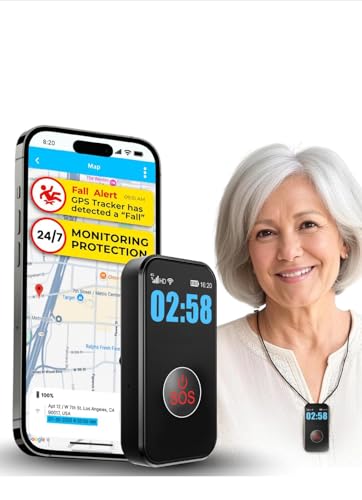 Medical Alert System with Fall Detection 24/7 emergency response for peace of mind when living alone
 Drive Medical Shower Chair Sturdy bath seat with back support to prevent slipping in the shower
Getting Help with Home Modifications
Who Can Assess the Home?
- Occupational therapist: Can do formal home safety assessment (may be covered by Medicare after hospitalization)
- Area Agency on Aging: May offer free home safety assessments
- Certified Aging in Place Specialist (CAPS): Contractors trained in senior home modifications
Financial Assistance
- Medicaid waiver programs: Some cover home modifications
- VA home grants: For eligible veterans
- USDA Rural Housing Repair grants: For low-income rural elderly
- Local nonprofit programs: Rebuilding Together, Habitat for Humanity
- State and local programs: Check with Area Agency on Aging
Related Resources
- Fall Prevention Guide
- Aging in Place Modifications
- Elderly Parent Living Alone
- What to Do When They Fall