Elderly Parent Living Alone: Keeping Them Safe
Your parent insists on living alone. They value their independence. But you worry constantly, are they safe? Are they eating? Would anyone know if they fell? This guide covers how to maximize safety for elderly people living alone, and how to know when it's no longer safe.
Warning Signs They Need More Help
Physical Signs
- Unexplained bruises (from falls they're hiding)
- Weight loss or signs of poor nutrition
- Decline in hygiene or grooming
- Wearing the same clothes repeatedly
- Difficulty getting up from chairs or walking
- Frequent falls or near-falls
Cognitive Signs
- Getting lost driving familiar routes
- Forgetting to take medications or taking wrong doses
- Leaving burners or appliances on
- Confusion about date, time, or place
- Difficulty managing finances, unpaid bills
- Repetitive questions or stories in same conversation
Home Environment
- Expired food in refrigerator
- Unusual clutter or hoarding behavior
- Signs of fire hazards (burn marks, overloaded outlets)
- Home in disrepair (broken items, dirty)
- Mail piling up
- Strange smells (urine, garbage)
Social/Behavioral Signs
- Withdrawing from activities they enjoyed
- Missing appointments
- Personality changes (depression, anxiety, paranoia)
- Unusual purchases or financial decisions
- Evidence of scam calls or mail
The equipment that changes the most
Most of what caregiving costs is time. These four are the purchases that reliably buy some of it back, and they are the ones families tell us they wish they had bought sooner.
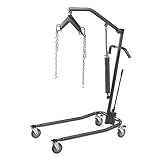 Drive Medical Hydraulic Patient Lift
A full lift is what makes one person able to manage a transfer alone. It is the single purchase that most often delays a move into residential care.
Check price on Amazon →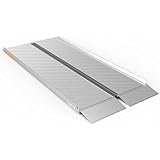 EZ-ACCESS Singlefold Wheelchair Ramp, 6 ft
Folds like a suitcase and carries in a car boot, so the same ramp handles the front step at home and the kerb at an appointment.
Check price on Amazon → Drive Medical Nitro Rollator with Seat
The seat matters more than the wheels. Being able to stop and rest is what decides whether someone still goes out at all.
Check price on Amazon → Vive Stand Assist Rail for Couch or Chair
Getting out of a low sofa is where most falls at home start. This is the cheapest thing on the list and often the first one needed.
Check price on Amazon →As an Amazon Associate we earn from qualifying purchases, at no extra cost to you. Researched guidance, not medical advice. Prices change, so check before buying.
Safety Measures for Independent Living
Fall Prevention
- Remove throw rugs and clutter
- Install grab bars in bathroom
- Ensure good lighting throughout
- Night lights in hallways and bathroom
- Non-slip mats in tub/shower
- Handrails on all stairs
- Clear paths between rooms
- Phone accessible from floor level
Medical Alert System
Essential for anyone living alone:
- Traditional pendant/wristband: Push button alerts monitoring center
- Fall detection: Automatically alerts if it detects a fall
- GPS-enabled: Works outside the home
- Smartphone apps: For more tech-savvy seniors
A medical alert device only works if they actually wear it. Many elders leave it on the nightstand. Look for comfortable, water-resistant devices they'll keep on even in the shower.
Monitoring Technology
- Motion sensors: Alert if no movement by a certain time
- Smart home sensors: Track door openings, appliance use
- Video cameras: Check in remotely (discuss privacy first)
- Medication dispensers: Automated with reminders and tracking
- Smart speakers: Easy way to call for help, set reminders
- Check-in apps: Daily check-in buttons, alerts if not pressed
Kitchen Safety
- Auto-shutoff appliances (kettle, coffee maker)
- Stove knob covers or auto-shutoff devices
- Microwave instead of stove when possible
- Fire extinguisher and smoke detectors
- Easy-to-open containers and packages
- Consider meal delivery to reduce cooking
Building a Support Network
- Daily check-ins: Call at the same time each day
- Neighbors: Ask them to keep an eye out, exchange numbers
- Mail carrier: Can be trained to notice if mail accumulates
- Faith community: Visitor programs, phone check-ins
- Meal delivery: Daily contact with a real person
- Adult day program: Social interaction and supervision during day
- Local police: Some departments do welfare checks on elderly
In-Home Help Options
Even a few hours a week can make a difference:
- Home health aides: Personal care, medication reminders
- Housekeeping: Weekly cleaning, laundry
- Meal services: Delivered meals or meal prep help
- Transportation: Rides to appointments and errands
- Companions: Social interaction, supervision
- Nurse visits: Medication management, health monitoring
For someone to live alone safely, they generally must be able to: call for help in emergency, get out of the house in case of fire, manage basic hygiene, take medications correctly (with help of organizers), and recognize dangerous situations.
When Independent Living Is No Longer Safe
- Multiple falls, especially without being able to get up
- Leaving stove on, fire hazards
- Getting lost in familiar places
- Medication errors causing health problems
- Significant weight loss, malnutrition
- Wandering outside inappropriately
- Unable to manage toileting, resulting in hygiene issues
- Not recognizing danger (scams, strangers, weather)
- Paranoia or delusions that affect safety
Options When Living Alone Isn't Working
More In-Home Care
- Daily check-ins
- Part-time home health aide
- Full-time live-in caregiver
- 24-hour care (multiple caregivers)
Living with Family
- Moving in with adult child
- Accessory dwelling unit (in-law suite)
- Parent moves closer to family
Residential Options
- Independent living community: Apartment with services nearby
- Assisted living: Help with daily activities, meals, medication
- Memory care: Secure environment for dementia
- Continuing care retirement community: Multiple levels on one campus
Having the Conversation
When it's time to talk about changes:
- Start early, before crisis forces the decision
- Focus on safety and quality of life, not "you can't"
- Include them in decision-making
- Offer choices rather than ultimatums
- Emphasize what they'll gain (less worry, more social contact)
- Be patient, this is hard for them
- May take multiple conversations
If They Refuse to Accept Help
- They have the right to refuse if they're cognitively competent
- Try small steps: meal delivery, cleaning help
- Have their doctor reinforce concerns
- Address underlying fears (cost, strangers in home, loss of control)
- Set clear boundaries about your own involvement
- Document concerns in case guardianship becomes necessary
- Know your limits, you can't force change
Unfortunately, many elders won't accept help until a fall, hospitalization, or other crisis makes the danger undeniable. Use the crisis as an opportunity, "The doctor says you need more help at home to come back from rehab."