What to Do When an Elderly Parent Falls
Your parent just fell. Your heart is racing. Take a breath. This guide will walk you through exactly what to do, from the moment it happens to preventing the next fall.
- They hit their head (especially if on blood thinners)
- They're unconscious or confused
- They can't move a limb or there's obvious deformity
- They're in severe pain
- They can't get up even with help
- There's significant bleeding
Step-by-Step: What to Do Right Now
1Stay Calm and Assess
Your calm demeanor will help keep your parent calm. Don't rush to move them.
- Ask: "Are you okay? Does anything hurt?"
- Look for obvious injuries: bleeding, swelling, deformity
- Ask if they hit their head
- Check if they're alert and oriented
2Don't Move Them Yet
If there's any possibility of a head, neck, or back injury, or if they're in severe pain, do not move them. Call 911 and wait for paramedics.
Keep them comfortable: put a pillow under their head, cover them with a blanket, and stay with them.
3Check for Injuries
If they seem okay initially, do a quick check:
- Can they move all limbs?
- Is there pain when they move?
- Any visible bruising or swelling?
- Did they lose consciousness, even briefly?
Call 911 Checklist
- Head injury (especially if taking blood thinners like Coumadin, Eliquis, Xarelto)
- Loss of consciousness
- Unable to get up
- Severe pain anywhere
- Suspected broken bone
- Confusion or altered mental status
- Difficulty breathing
- Bleeding that won't stop
The equipment that changes the most
Most of what caregiving costs is time. These four are the purchases that reliably buy some of it back, and they are the ones families tell us they wish they had bought sooner.
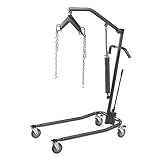 Drive Medical Hydraulic Patient Lift
A full lift is what makes one person able to manage a transfer alone. It is the single purchase that most often delays a move into residential care.
Check price on Amazon →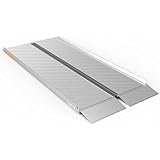 EZ-ACCESS Singlefold Wheelchair Ramp, 6 ft
Folds like a suitcase and carries in a car boot, so the same ramp handles the front step at home and the kerb at an appointment.
Check price on Amazon → Drive Medical Nitro Rollator with Seat
The seat matters more than the wheels. Being able to stop and rest is what decides whether someone still goes out at all.
Check price on Amazon → Vive Stand Assist Rail for Couch or Chair
Getting out of a low sofa is where most falls at home start. This is the cheapest thing on the list and often the first one needed.
Check price on Amazon →As an Amazon Associate we earn from qualifying purchases, at no extra cost to you. Researched guidance, not medical advice. Prices change, so check before buying.
How to Safely Help Them Up
Only help them up if they have no serious injuries and feel ready to try.
Safe Getting-Up Method
- Roll to side: Help them roll onto their side
- Get to hands and knees: From their side, help them push up to hands and knees
- Crawl to sturdy furniture: A chair or couch that won't move
- Place hands on furniture: Put their hands on the seat of the chair
- Bring one foot forward: Strongest leg first, foot flat on floor
- Push up and turn: Push up, turn, and sit in the chair
- Rest before standing: Sit for several minutes to prevent dizziness
- Lift them under their arms (can cause injury)
- Rush them, take it slowly
- Let them try to stand immediately
- Leave them alone if they're shaken or unsteady
After the Fall: What to Watch For
Even if your parent seems fine, monitor them closely for the next 24-72 hours:
Head Injury Warning Signs (Seek Care Immediately)
- Headache that gets worse
- Confusion or unusual behavior
- Slurred speech
- Vision problems
- Vomiting
- Unequal pupils
- Weakness or numbness
- Difficulty walking
- Excessive drowsiness
If your parent takes blood thinners (Coumadin/warfarin, Eliquis, Xarelto, Plavix, aspirin), head injuries are more dangerous. Even a minor bump can cause bleeding in the brain that may not show symptoms for hours or days. When in doubt, go to the ER.
Delayed Symptoms to Watch For
- New or increasing pain
- Swelling or bruising that appears later
- Difficulty bearing weight
- Changes in mental status
- Signs of internal bleeding (pale skin, rapid pulse, abdominal pain)
Document the Fall
Record details while they're fresh, this helps doctors and can reveal patterns:
- When: Date and time
- Where: Specific location
- What happened: Tripped, slipped, felt dizzy, legs gave out?
- Injuries: Even minor ones
- Witnesses: Anyone who saw it
- Contributing factors: Wet floor, poor lighting, rushing, new medication?
When to See a Doctor
Schedule a doctor visit (even if not going to the ER) if:
- This is a new or increasing pattern of falls
- They've fallen 2+ times in the past 6 months
- They're afraid of falling again
- There was no clear reason for the fall
- They felt dizzy or faint before falling
- They recently started a new medication
Many falls are caused by: medication side effects, blood pressure changes, vision problems, inner ear issues, UTIs, or dehydration. A doctor can identify and address these root causes.
Preventing the Next Fall
After addressing the immediate situation, focus on prevention:
Immediate Home Safety Fixes
- Remove throw rugs or secure with non-slip backing
- Clear walkways of clutter and cords
- Improve lighting (especially at night)
- Install grab bars in bathroom
- Add non-slip mats in tub/shower
- Make sure handrails are on both sides of stairs
Medical Follow-Up
- Review all medications with doctor
- Check vision and hearing
- Assess for balance and gait problems
- Consider physical therapy for strength and balance
- Discuss whether a walker or cane would help
Consider a Medical Alert System
A wearable alert button can be lifesaving if they fall when alone. Many systems now automatically detect falls and call for help.
Fall Prevention Checklist
Get our room-by-room home safety assessment to prevent future falls.
Read the GuideRelated Resources
- Fall Prevention for Elderly Parents
- Aging in Place Home Modifications
- Hospital Discharge Planning
- Signs Your Parent Needs More Help
- Best Medical Alert Systems 2026
- Best Grab Bars 2026
Products that help with falls & fall prevention
We independently research every recommendation. As an Amazon Associate we earn from qualifying purchases, at no extra cost to you. Disclosure.
- Medical Alert Systems →At-home and on-the-go buttons with fall detection and 24/7 response.
- Grab Bars →Tool-free and drilled bars for bathrooms, halls, and stairs.
- Walkers & Rollators →Stable, seated rollators sized for indoor and outdoor walking.