Hospital Discharge Planning for Elderly Parents
Your elderly parent is being discharged from the hospital. The nurse hands you a stack of papers, rattles off instructions, and suddenly you're wheeling your parent out the door, overwhelmed and unprepared.
This happens every day. And it's a major reason elderly patients end up back in the hospital within 30 days. Here's how to make sure your parent's discharge goes safely.
About 1 in 5 Medicare patients are readmitted within 30 days of discharge. The transition from hospital to home is one of the most dangerous periods. Proper discharge planning significantly reduces this risk.
Start Planning Before Discharge
Don't wait until discharge day. Start planning as soon as your parent is stable:
1Ask to Meet with the Discharge Planner
Every hospital has discharge planners or case managers. Request a meeting. They can assess what your parent needs after discharge and help arrange services. The earlier you connect, the better.
2Understand Where They're Going
Options may include:
- Home: May need home health, home care, or family assistance
- Skilled nursing facility (SNF): For rehab after surgery, stroke, etc. Often covered by Medicare for up to 100 days after a qualifying hospital stay
- Long-term acute care (LTAC): For complex medical needs
- Assisted living or memory care: If they can no longer live independently
3Assess Home Readiness
If going home, consider:
- Can they manage stairs?
- Do they need a hospital bed, walker, wheelchair?
- Who will be with them?
- Can they manage medications?
- Who will prepare meals?
- Do they need help with bathing, dressing, toileting?
If you feel the discharge is unsafe or premature, you have the right to appeal. Ask for a written discharge notice and request a hospital utilization review. Medicare patients have specific appeal rights.
The equipment that changes the most
Most of what caregiving costs is time. These four are the purchases that reliably buy some of it back, and they are the ones families tell us they wish they had bought sooner.
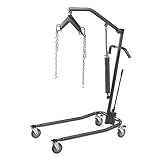 Drive Medical Hydraulic Patient Lift
A full lift is what makes one person able to manage a transfer alone. It is the single purchase that most often delays a move into residential care.
Check price on Amazon →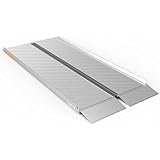 EZ-ACCESS Singlefold Wheelchair Ramp, 6 ft
Folds like a suitcase and carries in a car boot, so the same ramp handles the front step at home and the kerb at an appointment.
Check price on Amazon → Drive Medical Nitro Rollator with Seat
The seat matters more than the wheels. Being able to stop and rest is what decides whether someone still goes out at all.
Check price on Amazon → Vive Stand Assist Rail for Couch or Chair
Getting out of a low sofa is where most falls at home start. This is the cheapest thing on the list and often the first one needed.
Check price on Amazon →As an Amazon Associate we earn from qualifying purchases, at no extra cost to you. Researched guidance, not medical advice. Prices change, so check before buying.
Questions to Ask Before Leaving
About the Hospital Stay
About Medications
About Follow-Up Care
About Daily Care
The Discharge Checklist
Before Leaving the Hospital
Medicare Coverage for Post-Hospital Care
Skilled Nursing Facility (SNF)
Medicare covers up to 100 days in a SNF after a qualifying hospital stay (at least 3 midnights as an inpatient):
- Days 1-20: Medicare pays 100%
- Days 21-100: You pay a daily copay ($204/day in 2026)
- After day 100: You pay everything
Home Health Care
Medicare covers home health if your parent is homebound and needs skilled care (nursing, physical therapy). No hospital stay required. Covers:
- Skilled nursing visits
- Physical, occupational, speech therapy
- Home health aide visits (limited)
- Medical supplies
Not covered: 24-hour care, meal prep, housekeeping, or care that's only custodial (non-skilled).
If your parent was in "observation status" rather than admitted as an inpatient, the hospital stay doesn't count toward the 3-day requirement for SNF coverage. Always ask about admission status, this is critical for Medicare coverage.
The First 48 Hours at Home
The first two days are the highest risk period. Focus on:
- Medication reconciliation: Make sure they're taking the right medications at the right times. Compare hospital list to what's at home.
- Symptom monitoring: Watch for warning signs you were told about. Take notes.
- Nutrition and hydration: Ensure they're eating and drinking.
- Rest: Hospital stays are exhausting. Don't overdo activities.
- Pharmacy run: Fill prescriptions immediately, don't let them run out of critical meds.
When to Seek Help After Discharge
Call the doctor or go to the ER if:
- Fever over 101°F
- Worsening pain
- Signs of infection (redness, swelling, drainage at incision)
- New confusion or mental status changes
- Difficulty breathing
- Can't keep food or medications down
- Any of the specific warning signs you were told to watch for
Advocating for Your Parent
Hospitals are busy. Mistakes happen. As a family member, your job is to:
- Be present: Attend rounds, ask questions, take notes
- Speak up: If something doesn't seem right, say so
- Ask for clarification: If you don't understand, ask them to explain again
- Request written information: Don't rely on verbal instructions
- Know your rights: You can request copies of records, speak to supervisors, and appeal discharge decisions
Hospital Discharge Checklist
Download our printable checklist to take to the hospital and ensure nothing is missed.
Get the Checklist