Home Care Costs in 2026: Complete Guide
Keeping your parent at home often seems like the more affordable option compared to assisted living or nursing homes. But once you add up the hours needed, the costs can be surprising, and sometimes exceed facility care.
Here's what home care actually costs in 2026 and how to pay for it.
Types of Home Care
Non-Medical Home Care (Personal Care)
Provided by home health aides or personal care assistants. Includes:
- Help with bathing, dressing, grooming
- Meal preparation
- Light housekeeping
- Medication reminders
- Companionship
- Transportation
Skilled Home Health Care (Medical)
Provided by licensed nurses, physical therapists, etc. Includes:
- Wound care
- IV medications
- Physical therapy
- Occupational therapy
- Medical monitoring
Skilled home health care may be covered by Medicare (short-term, after hospitalization). Non-medical home care (what most families need for ongoing help) is almost never covered by Medicare.
The equipment that changes the most
Most of what caregiving costs is time. These four are the purchases that reliably buy some of it back, and they are the ones families tell us they wish they had bought sooner.
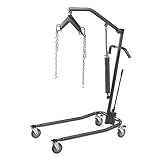 Drive Medical Hydraulic Patient Lift
A full lift is what makes one person able to manage a transfer alone. It is the single purchase that most often delays a move into residential care.
Check price on Amazon → EZ-ACCESS Singlefold Wheelchair Ramp, 6 ft
Folds like a suitcase and carries in a car boot, so the same ramp handles the front step at home and the kerb at an appointment.
Check price on Amazon → Drive Medical Nitro Rollator with Seat
The seat matters more than the wheels. Being able to stop and rest is what decides whether someone still goes out at all.
Check price on Amazon → Vive Stand Assist Rail for Couch or Chair
Getting out of a low sofa is where most falls at home start. This is the cheapest thing on the list and often the first one needed.
Check price on Amazon →As an Amazon Associate we earn from qualifying purchases, at no extra cost to you. Researched guidance, not medical advice. Prices change, so check before buying.
2026 Home Care Costs
National Average: Home Health Aide
National Average: Homemaker Services
What That Looks Like Monthly
| Hours per Week | Monthly Cost (at $33/hr) |
|---|---|
| 10 hours/week (light assistance) | $1,430 |
| 20 hours/week (moderate help) | $2,860 |
| 40 hours/week (substantial care) | $5,720 |
| 24/7 care (multiple shifts) | $17,000-$25,000 |
At 40+ hours per week, home care often costs MORE than assisted living ($4,500-6,500/month). And 24/7 home care almost always exceeds nursing home costs. Run the numbers before assuming home is cheaper.
Costs by Region
| Region | Home Health Aide (hourly) | 44 hrs/week (monthly) |
|---|---|---|
| High-cost (NYC, SF, Boston) | $38-45 | $7,250-8,580 |
| Medium-cost (most suburbs) | $30-35 | $5,720-6,680 |
| Lower-cost (rural, South) | $23-28 | $4,400-5,350 |
Agency vs. Private Hire
| Home Care Agency | Private Hire (Independent) | |
|---|---|---|
| Cost | $30-45/hour | $18-30/hour |
| Background checks | Yes | You must do it |
| Backup if caregiver sick | Agency provides | You arrange |
| Taxes & insurance | Agency handles | You're the employer |
| Supervision | Agency provides | You provide |
If You Hire Privately
You become an employer and must handle:
- Payroll taxes (Social Security, Medicare)
- Workers' compensation insurance
- Possible unemployment insurance
- Background checks
- Finding backup care when caregiver is sick/unavailable
Many families use a payroll service (like HomePay or GTM Payroll) to handle the employer paperwork.
Live-In Care Costs
Live-in caregivers stay in the home 24/7, typically getting room and board plus a salary.
Live-In Caregiver
Private-hire live-ins may cost less ($3,000-5,000/month plus room and board) but you take on employer responsibilities and must ensure labor law compliance (live-ins still need time off!).
How to Pay for Home Care
What WON'T Pay
- Medicare: Doesn't cover ongoing non-medical home care
- Regular health insurance: Doesn't cover personal care
What MIGHT Pay
- Long-term care insurance: If your parent has a policy, check benefits
- Medicaid: Some states cover home care through waiver programs (usually has waitlists)
- VA Aid & Attendance: Up to $2,700/month for eligible veterans
- State programs: Some states have programs to help pay family caregivers
Most Families Pay
- Out of pocket from savings/income
- By selling the family home
- By family members contributing
- By spending down assets until Medicaid eligible
Estimate Your Care Costs
Use our calculator to estimate home care, assisted living, and nursing home costs in your area.
Calculate CostsWays to Reduce Costs
- Start with fewer hours: Begin with minimum needed, increase as necessary
- Use adult day programs: Much cheaper than in-home care for daytime supervision
- Combine with family care: Family provides some hours, hire for the rest
- Consider a geriatric care manager: Can help optimize care and potentially reduce costs
- Explore technology: Medical alert systems, medication dispensers, video check-ins can reduce needed hours
Questions to Ask Home Care Agencies
- What's your hourly rate? Is there a minimum?
- What does that include? What costs extra?
- How do you screen and train caregivers?
- What happens if our regular caregiver is sick?
- Can we meet caregivers before they start?
- Can we request a different caregiver if it's not a good fit?
- What's your supervision process?
- Are you licensed and insured?