How to Pay for Nursing Home Care in 2026
Nursing home care is one of the most expensive healthcare costs families face, and one of the least understood. Most people assume Medicare covers it (it doesn't, except short-term). This guide breaks down the real costs and every legitimate way to pay for them.
What Nursing Homes Actually Cost in 2026
Nursing home costs vary dramatically by state and facility type. Here's what you're looking at:
National Average (Semi-Private Room)
National Average (Private Room)
Cost by Region
- Most Expensive: Alaska ($30,000+/mo), Connecticut ($16,000+/mo), New York ($14,000+/mo)
- Moderate: Texas, Florida, Arizona ($7,000-9,000/mo)
- Lower Cost: Oklahoma, Missouri, Louisiana ($5,500-7,000/mo)
At $9,000/month, a 3-year nursing home stay costs $324,000. The average stay is 2.2 years, but many residents stay much longer. This is why planning matters.
The equipment that changes the most
Most of what caregiving costs is time. These four are the purchases that reliably buy some of it back, and they are the ones families tell us they wish they had bought sooner.
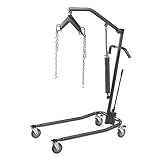 Drive Medical Hydraulic Patient Lift
A full lift is what makes one person able to manage a transfer alone. It is the single purchase that most often delays a move into residential care.
Check price on Amazon →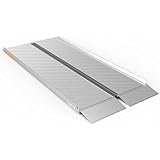 EZ-ACCESS Singlefold Wheelchair Ramp, 6 ft
Folds like a suitcase and carries in a car boot, so the same ramp handles the front step at home and the kerb at an appointment.
Check price on Amazon → Drive Medical Nitro Rollator with Seat
The seat matters more than the wheels. Being able to stop and rest is what decides whether someone still goes out at all.
Check price on Amazon → Vive Stand Assist Rail for Couch or Chair
Getting out of a low sofa is where most falls at home start. This is the cheapest thing on the list and often the first one needed.
Check price on Amazon →As an Amazon Associate we earn from qualifying purchases, at no extra cost to you. Researched guidance, not medical advice. Prices change, so check before buying.
6 Ways to Pay for Nursing Home Care
1️⃣ Private Pay (Out of Pocket)
The most common initial payment method. Families use savings, retirement accounts, investments, or proceeds from selling the family home.
Reality check: Most families can only private-pay for 1-2 years before assets are depleted.
2️⃣ Medicaid
The #1 payer for long-term nursing home care in America. Medicaid covers nursing home costs for people with limited income and assets.
2026 Eligibility (typical):
- Income: Under $2,829/month (varies by state)
- Assets: Under $2,000 individual / $3,000 couple (varies)
- Must need "nursing home level of care"
3️⃣ Medicare (Limited)
Medicare covers skilled nursing facility care, but only under strict conditions:
- Must follow a qualifying hospital stay (3+ days)
- Maximum 100 days per benefit period
- Days 1-20: Medicare pays 100%
- Days 21-100: You pay $204/day copay (2026)
- After 100 days: Medicare pays nothing
Bottom line: Medicare is for short-term rehab, not long-term care.
4️⃣ Veterans Benefits (Aid & Attendance)
Wartime veterans and surviving spouses may qualify for the Aid & Attendance pension, which can help pay for nursing home care.
2026 Maximum Benefits:
- Veteran with spouse: Up to $2,727/month
- Single veteran: Up to $2,295/month
- Surviving spouse: Up to $1,478/month
5️⃣ Long-Term Care Insurance
If your parent bought a policy years ago, now's the time to use it. These policies typically pay a daily benefit (e.g., $200/day) toward nursing home costs.
Check the policy for:
- Elimination period (waiting period before benefits start)
- Daily/monthly benefit amount
- Benefit period (how long it pays)
- Inflation protection
6️⃣ Life Insurance Conversion
Some life insurance policies can be converted to pay for long-term care, or sold through a "life settlement." Options include:
- Accelerated death benefit: Access a portion of the death benefit early
- Life settlement: Sell the policy to a third party for cash
- Policy loan: Borrow against the cash value
The Typical Payment Timeline
Most families go through a progression:
- Private pay first: Using savings, retirement, home equity
- Assets deplete: Often happens within 1-3 years
- Medicaid application: Once assets drop below the limit
- Medicaid pays: Covers remaining nursing home stay
If one spouse needs nursing home care, Medicaid rules protect the "community spouse" (the one staying home). They can typically keep the house, a car, and significant assets, often $150,000+ depending on the state.
What NOT to Do
- Don't give away assets to qualify for Medicaid: There's a 5-year "look-back period." Gifts made within 5 years can result in a penalty period where Medicaid won't pay.
- Don't assume Medicare will cover it: It won't, beyond short-term rehab.
- Don't wait until a crisis: Planning ahead gives you more options.
- Don't DIY Medicaid planning with significant assets: Elder law attorneys know legal strategies to protect assets.
Estimate Your Care Costs
Use our free calculator to estimate nursing home costs in your area.
Calculate Care CostsQuestions to Ask Nursing Homes About Payment
- Do you accept Medicaid? (Not all do, or they have limited Medicaid beds)
- What's the private-pay rate vs. Medicaid rate?
- Is there a waiting list for Medicaid beds?
- What's included in the daily rate? What costs extra?
- Can residents stay if they transition from private pay to Medicaid?
Next Steps
- Know your parent's assets: Total picture of savings, investments, property, insurance
- Check for benefits: Use our Benefits Eligibility Checker
- Consult an elder law attorney: Especially if assets exceed $100,000
- Tour facilities now: Don't wait for a crisis to start looking