Hip Fracture Recovery in Elderly Parents
A broken hip is one of the most serious injuries an elderly person can experience. It's not just about healing a bone, it's about whether they'll walk again, live independently, or survive. About 300,000 Americans over 65 break a hip each year. Here's what you need to know to help your parent recover.
About 20% of elderly people who break a hip die within one year. Of those who survive, many never regain their previous level of function. Quick surgery and aggressive rehabilitation are critical.
What Are the Different Types of Hip Fractures?
Femoral Neck Fracture
- Break in the "neck" of the thighbone just below the ball
- Can disrupt blood supply to the ball of the hip
- Often requires hip replacement in elderly
- May be treated with pins/screws in younger patients
Intertrochanteric Fracture
- Break in the upper thighbone below the neck
- Blood supply to bone is usually preserved
- Usually repaired with metal plate and screws or rod
- Generally better prognosis than femoral neck fractures
The equipment that changes the most
Most of what caregiving costs is time. These four are the purchases that reliably buy some of it back, and they are the ones families tell us they wish they had bought sooner.
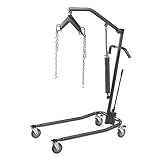 Drive Medical Hydraulic Patient Lift
A full lift is what makes one person able to manage a transfer alone. It is the single purchase that most often delays a move into residential care.
Check price on Amazon →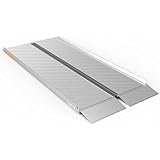 EZ-ACCESS Singlefold Wheelchair Ramp, 6 ft
Folds like a suitcase and carries in a car boot, so the same ramp handles the front step at home and the kerb at an appointment.
Check price on Amazon → Drive Medical Nitro Rollator with Seat
The seat matters more than the wheels. Being able to stop and rest is what decides whether someone still goes out at all.
Check price on Amazon → Vive Stand Assist Rail for Couch or Chair
Getting out of a low sofa is where most falls at home start. This is the cheapest thing on the list and often the first one needed.
Check price on Amazon →As an Amazon Associate we earn from qualifying purchases, at no extra cost to you. Researched guidance, not medical advice. Prices change, so check before buying.
Is Surgery Necessary for a Broken Hip in the Elderly?
Most hip fractures require surgery, usually within 24-48 hours. Delaying surgery increases complications.
Surgery Options
- Internal fixation: Metal screws, plates, or rods hold bone together
- Partial hip replacement: Replace the ball of the hip
- Total hip replacement: Replace both ball and socket
Factors Affecting Surgery Decision
- Type and location of fracture
- Patient's age and bone quality
- Activity level before injury
- Presence of dementia or other conditions
- Blood supply to the bone
- What type of surgery do you recommend and why?
- What are the risks for someone my parent's age?
- When can they start bearing weight?
- What is the realistic recovery outlook?
- Will they need a skilled nursing facility after?
How Long Does It Take to Recover from a Broken Hip?
Hospital Stay: Days 1-3
- Surgery usually within 24-48 hours of admission
- Physical therapy starts as soon as possible (often day after surgery)
- Getting out of bed within 1-2 days
- Pain management (balancing pain control with alertness)
- Preventing blood clots with medication and movement
- Planning for next level of care
Rehabilitation: Weeks 1-4
- Most patients go to skilled nursing facility (SNF) for rehab
- Daily physical and occupational therapy
- Learning to walk with walker
- Building strength and endurance
- Learning transfers (bed to chair, etc.)
- Medicare covers up to 100 days (with qualifications)
Home Recovery: Months 1-3
- Ongoing therapy (home health or outpatient)
- Gradual increase in activity
- May transition from walker to cane
- Home modifications may be needed
- Help with daily activities often required
Long-Term: Months 3-12
- Continued improvement possible for up to a year
- Some may never regain full function
- Ongoing fall prevention is critical
- Osteoporosis treatment important
- Many need some ongoing assistance
What Complications Should You Watch for After Hip Surgery?
- Blood clots (DVT/PE): Leg swelling, chest pain, shortness of breath
- Infection: Fever, increasing pain, wound changes
- Pneumonia: From immobility and shallow breathing
- Delirium/confusion: Very common in elderly after surgery
- Pressure sores: From lying in bed
- Urinary tract infection: From catheter use
Post-Surgical Delirium
Confusion after hip surgery is extremely common in elderly. It may:
- Appear within days of surgery
- Come and go throughout the day
- Cause hallucinations, agitation, or extreme sleepiness
- Last days to weeks
- Usually resolves but may indicate underlying dementia
Post-surgical delirium is temporary and usually resolves. However, it can unmask or accelerate underlying dementia. If confusion persists beyond a few weeks, discuss with the doctor.
What Does Hip Fracture Rehabilitation Involve?
Choosing a Skilled Nursing Facility
- Look for good therapy staffing
- Ask about therapy hours per day
- Check Medicare star ratings
- Visit if possible
- Ask about physician coverage on weekends
What Happens in Rehab
- Physical therapy: Walking, strength, balance
- Occupational therapy: Daily activities, transfers
- Goal setting: Work toward specific functional goals
- Pain management: Enough to participate in therapy
- Preventing complications: Blood clots, pressure sores, falls
Visit often. Attend therapy sessions when possible. Communicate with the team. Push for adequate pain control so they can participate in therapy. Ask about progress and goals.
How Do You Prepare for Going Home After Hip Surgery?
Before Discharge
- Home safety assessment
- Equipment needs identified (walker, raised toilet seat, shower chair, and a lightweight transport wheelchair for follow-up appointments)
- Home health ordered if appropriate
- Caregiver trained on helping with mobility
- Medications reviewed
- Follow-up appointments scheduled
Home Modifications
- Clear pathways for walker
- Remove throw rugs
- Install grab bars in bathroom
- Raised toilet seat
- Shower chair or bench
- Hospital bed if needed
- Bedroom on main floor if stairs are a problem
What Are Realistic Expectations for Hip Fracture Recovery?
Best Case Outcomes
- Return to near-previous function
- Walk independently (possibly with cane)
- Live at home
- Resume most activities
More Common Reality
- Some permanent decrease in mobility
- Need walker or cane long-term
- May need ongoing help with some activities
- Some never return home
- Increased fall risk going forward
Factors Affecting Outcome
- Function before the fracture
- Presence of dementia
- Overall health and other conditions
- Quality and intensity of rehabilitation
- Family support and motivation
- Complications during recovery
The best predictor of recovery is how they were doing before the fracture. Someone who was active and independent has a much better prognosis than someone who was already frail and sedentary.
How Can You Prevent Another Hip Fracture?
After a hip fracture, the risk of another fracture is high.
Essential Steps
- Osteoporosis treatment: Medication should be started
- Calcium and vitamin D: Check levels and supplement
- Fall prevention: Aggressive home safety
- Exercise: Maintain strength and balance
- Medication review: Eliminate drugs that increase fall risk
- Vision and hearing checks: Address sensory deficits
What Should You Do When Hip Recovery Isn't Going Well?
Warning Signs
- Not making progress in therapy
- Declining to participate in therapy
- Increasing confusion
- Significant weight loss
- Giving up
Difficult Decisions
If recovery stalls, you may need to consider:
- Long-term nursing home placement
- Hospice if declining significantly
- What your parent would want
- Quality of life vs. quantity
Care Needs Assessment
Understand what level of care your parent needs during recovery.
Take AssessmentRelated Resources
- SNF Rehab Guide
- Fall Prevention
- Osteoporosis Guide
- Recovery at Home
- Best Walkers & Rollators 2026
- Best Raised Toilet Seats 2026
- Best Grab Bars 2026
- Best Bed Rails & Safety Rails
- Best Transfer Belts & Gait Belts 2026
- Safe Transfer Techniques for Elderly
Products that help with hip-fracture recovery
We independently research every recommendation. As an Amazon Associate we earn from qualifying purchases, at no extra cost to you. Disclosure.
- Walkers & Rollators →Stable, seated rollators sized for indoor and outdoor walking.
- Transfer & Gait Belts →Safe-lift belts that protect your back and your parent from falls.
- Raised Toilet Seats →Add height and grab handles to make the bathroom safer.
- Grab Bars →Tool-free and drilled bars for bathrooms, halls, and stairs.
Common questions about broken-hip recovery in the elderly
What is the recovery time for a broken hip in an elderly person?
Most older adults need 3–12 months to recover from a hip fracture: a 1–3 day hospital stay, often 1–4 weeks of rehab in a skilled nursing facility, then continued home recovery. Walking with assistance usually begins within a day or two of surgery, because early movement lowers complication risk.
Is a broken hip 'the beginning of the end' for an 85-year-old?
Not necessarily, but it is serious. Hip fractures carry a real one-year mortality risk in the very old, largely from complications of immobility. Outcomes improve dramatically with prompt surgery, early mobilization, good pain control, pneumonia and clot prevention, and strong rehab. Many seniors regain independence.
What exercises help recovery after a hip fracture?
Under a physical therapist's guidance, recovery typically includes ankle pumps and gentle range-of-motion early on, then progressive standing, weight-shifting and balance (proprioception) work, and strengthening of the hip and thigh. Never start exercises without clearance from the surgical or rehab team.
Authoritative sources: AAOS OrthoInfo and the National Institute on Aging.
Broken hip recovery: more questions
What is the broken hip recovery time for the elderly, month by month?
Surgery is usually within 24 to 48 hours, with a hospital stay of a few days. Weeks 1 to 4 are usually spent in a skilled nursing facility for daily therapy, and Medicare may cover up to 100 days with qualifications. Months 1 to 3 are home recovery with ongoing therapy, often moving from a walker to a cane. Improvement can continue through months 3 to 12, and some people never regain full function.
How long is broken femur recovery in the elderly?
A broken hip is a break in the upper end of the femur (thighbone), so hip fracture recovery is a femur fracture recovery and follows the timeline above. A break lower in the thighbone shaft is less common in older adults and is usually repaired with a rod, and the surgeon sets when weight-bearing can begin. Ask the surgeon what to expect for your parent.
What should I do first if my parent fractured a hip?
Call 911, keep your parent still and do not try to move them. At the hospital, bring a medication list and any advance directive, tell the team about any memory problems so they can watch for delirium, and ask when surgery is planned, since most hip fractures are repaired within 24 to 48 hours.
General information, not medical advice. Ask your parent's care team about their situation. Updated 2026.