Recovering at Home After Hospital
Your parent is being discharged from the hospital. Now the real work begins. The transition home is a vulnerable time, about 20% of elderly patients are readmitted within 30 days. With proper preparation and vigilance, you can help your parent recover safely at home.
Most complications and readmissions happen in the first week home. Plan to be very attentive during this time. If you work, consider taking time off or arranging extra help for at least the first few days.
Before They Leave the Hospital
Get All Information in Writing
- Discharge summary with diagnosis and treatments
- Complete medication list (new AND old medications)
- Instructions for wound care, activity restrictions, diet
- Warning signs to watch for
- Follow-up appointments scheduled
- Phone numbers for questions (doctor, home health)
Understand Medications
- What medications are new?
- What medications were stopped?
- Were any doses changed?
- What are each medication's side effects?
- Have prescriptions been sent to pharmacy?
Arrange Home Health
- Is home health ordered? (Medicare covers if homebound)
- When will they start?
- What services? (nursing, PT, OT, aide)
- How often will they come?
- Get the agency's contact number
Get Equipment
- Walker, cane, wheelchair if needed
- Shower chair, grab bars
- Raised toilet seat
- Hospital bed if ordered
- Wound care supplies
- Oxygen if needed
Make sure prescriptions are filled BEFORE you leave the hospital. Pharmacies may not have medications in stock, or prior authorizations may cause delays. The hospital pharmacy can often fill a few days' supply. Don't go home without critical medications in hand.
The equipment that changes the most
Most of what caregiving costs is time. These four are the purchases that reliably buy some of it back, and they are the ones families tell us they wish they had bought sooner.
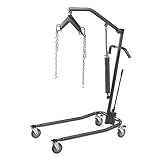 Drive Medical Hydraulic Patient Lift
A full lift is what makes one person able to manage a transfer alone. It is the single purchase that most often delays a move into residential care.
Check price on Amazon →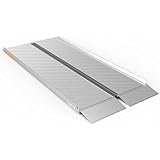 EZ-ACCESS Singlefold Wheelchair Ramp, 6 ft
Folds like a suitcase and carries in a car boot, so the same ramp handles the front step at home and the kerb at an appointment.
Check price on Amazon → Drive Medical Nitro Rollator with Seat
The seat matters more than the wheels. Being able to stop and rest is what decides whether someone still goes out at all.
Check price on Amazon → Vive Stand Assist Rail for Couch or Chair
Getting out of a low sofa is where most falls at home start. This is the cheapest thing on the list and often the first one needed.
Check price on Amazon →As an Amazon Associate we earn from qualifying purchases, at no extra cost to you. Researched guidance, not medical advice. Prices change, so check before buying.
Preparing the Home
Safety Modifications
- Remove throw rugs and clutter from walkways
- Install grab bars in bathroom if not already present
- Ensure good lighting, especially at night
- Clear path to bathroom
- Move bedroom to main floor if stairs are a problem
- Secure cords and cables
- Have phone accessible from bed
Stock Up
- Easy-to-prepare foods
- Any special diet items needed
- Medications organized in pillbox
- Incontinence supplies if needed
- Wound care supplies
- Extra sheets and towels
Home Health Services
Medicare covers home health if your parent is "homebound" (leaving home is a major effort) and needs skilled care.
What's Included
- Skilled nursing: Wound care, medication management, monitoring vital signs, education
- Physical therapy: Exercises, mobility training, balance work
- Occupational therapy: Daily living skills, home safety assessment
- Speech therapy: If swallowing or communication issues
- Home health aide: Bathing, dressing (only if also receiving skilled services)
What's NOT Included
- 24-hour care
- Housekeeping, meal preparation
- Companionship
- Transportation
Be present when home health visits. Ask questions. Learn wound care techniques, exercises, and warning signs. Home health is temporary, they're training you to continue care independently.
The First Days Home
Expect Fatigue
Your parent will likely be much more tired than expected. Hospitalization causes significant deconditioning. They may:
- Sleep much more than usual
- Tire easily with minimal activity
- Need help with tasks they could do before
- Feel weak or unsteady
This is normal. Recovery takes time, often weeks to months.
Monitor Closely
- Take vital signs if you have equipment (BP, temperature)
- Track fluid intake
- Monitor appetite and eating
- Watch for confusion or behavior changes
- Check wound sites for redness, swelling, drainage
- Note pain levels
Medication Management
- Use a pillbox organized by day and time
- Set alarms for medication times
- Keep a log of what was given and when
- Watch for side effects of new medications
- Don't stop or change medications without asking doctor
Warning Signs: When to Call
- Chest pain or difficulty breathing
- Sudden severe headache or confusion
- One-sided weakness or speech problems (stroke signs)
- Uncontrolled bleeding
- Loss of consciousness
- Fever over 100.4°F
- Increased pain not relieved by medication
- Wound changes: increased redness, swelling, drainage, odor
- Not eating or drinking for 24+ hours
- Falls
- Confusion or sudden behavior changes
- Medication side effects
- Unable to keep medications down (vomiting)
- Constipation for 3+ days
- Symptoms getting worse instead of better
Preventing Readmission
About 1 in 5 elderly patients returns to the hospital within a month. Reduce the risk:
Medication Adherence
- Take all medications as prescribed
- Don't skip doses or stop early
- Refill before running out
- Report side effects to doctor (don't just stop taking)
Follow-Up Care
- Keep ALL follow-up appointments
- See primary care doctor within 7 days of discharge
- Bring discharge paperwork to appointments
- Bring updated medication list
Watch for Complications
- Infections (especially UTI, pneumonia, wound infections)
- Falls (most common in first weeks home)
- Dehydration (elderly often don't feel thirsty)
- Confusion (can signal infection or medication problem)
Caring for Yourself
Post-hospital caregiving is intense, especially the first few weeks.
- Accept help from family and friends
- Sleep when they sleep
- Don't try to do everything
- Good enough is good enough
- Know that this intensity is temporary
Don't expect your parent to bounce back immediately. Recovery from hospitalization can take weeks to months, especially for elderly people. Each week should show some improvement, but the path isn't linear. Good days and bad days are normal.
If Things Aren't Going Well
If recovery isn't progressing:
- Talk to home health about concerns
- Call the doctor, don't wait for scheduled appointment
- Request more frequent home health visits
- Consider whether home is still the right setting
- Ask about readmission to hospital if significantly declining
Care Coordination Binder
Keep all medical information, medications, and contacts organized in one place.
Get the Binder