Skilled Nursing Facility Rehab: What to Expect
Your parent had a fall, hip surgery, stroke, or other hospitalization. Now they're being discharged to a "skilled nursing facility" or "SNF" (pronounced "sniff") for rehabilitation. This is short-term, intensive rehab, not a permanent nursing home placement. Here's everything you need to know.
A SNF and nursing home are often the same physical building. The difference is the type of care. SNF is short-term skilled care (rehab) after hospitalization, usually covered by Medicare. Long-term nursing home is custodial care for those who need ongoing help, usually NOT covered by Medicare.
What Is SNF Rehab?
Short-term rehabilitation in a skilled nursing facility provides:
- Physical therapy (PT): Strength, balance, walking, mobility
- Occupational therapy (OT): Daily activities like dressing, bathing, eating
- Speech therapy: If needed for swallowing or speech issues
- Nursing care: Wound care, IV medications, monitoring
- 24/7 supervision: Medical staff available around the clock
The goal is to get your parent strong enough to go home safely.
The equipment that changes the most
Most of what caregiving costs is time. These four are the purchases that reliably buy some of it back, and they are the ones families tell us they wish they had bought sooner.
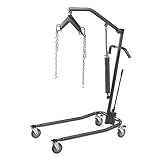 Drive Medical Hydraulic Patient Lift
A full lift is what makes one person able to manage a transfer alone. It is the single purchase that most often delays a move into residential care.
Check price on Amazon →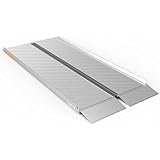 EZ-ACCESS Singlefold Wheelchair Ramp, 6 ft
Folds like a suitcase and carries in a car boot, so the same ramp handles the front step at home and the kerb at an appointment.
Check price on Amazon → Drive Medical Nitro Rollator with Seat
The seat matters more than the wheels. Being able to stop and rest is what decides whether someone still goes out at all.
Check price on Amazon → Vive Stand Assist Rail for Couch or Chair
Getting out of a low sofa is where most falls at home start. This is the cheapest thing on the list and often the first one needed.
Check price on Amazon →As an Amazon Associate we earn from qualifying purchases, at no extra cost to you. Researched guidance, not medical advice. Prices change, so check before buying.
Medicare Coverage Requirements
For Medicare to cover SNF rehab:
- 3-night hospital stay: Must be admitted as "inpatient" for at least 3 consecutive midnights
- Skilled care needed: Requires services only skilled professionals can provide
- Admission within 30 days: Must enter SNF within 30 days of hospital discharge
- Related condition: SNF care must be for same condition as hospitalization
If your parent was on "observation status" in the hospital (not officially admitted), those days don't count toward the 3-night requirement. Ask the hospital EVERY DAY: "Is my parent admitted or on observation?" This can mean the difference between Medicare coverage and paying $15,000+ out of pocket.
How Long Will They Stay?
Average SNF rehab stays:
- Hip fracture/replacement: 15-25 days
- Stroke: 20-30 days (varies widely)
- Knee replacement: 10-14 days
- General deconditioning: 14-21 days
- Fall without major injury: 10-14 days
Stays depend on progress, not calendar. If they're making gains in therapy, Medicare continues coverage. Once they plateau or meet goals, coverage ends.
Medicare SNF Coverage
| Days | Medicare Pays | You Pay |
|---|---|---|
| Days 1-20 | 100% | $0 |
| Days 21-100 | Partial | $204/day (2026)* |
| Days 101+ | Nothing | All costs |
*Medigap plans may cover this daily copay
Choosing a Facility
You often have some choice, don't just accept the first option.
Questions to Ask
- What is your Medicare star rating? (Check Medicare.gov/care-compare)
- What are your therapy hours per day?
- Do you have therapists who specialize in [their condition]?
- What is your staffing ratio (nurses/CNAs per patient)?
- How do you handle discharge planning?
- Can family visit? What are the hours?
Use Medicare's Care Compare tool (medicare.gov/care-compare) to see star ratings, inspection results, and staffing levels. A 4 or 5-star facility is generally better, but read the details, some low ratings are for paperwork issues, not care quality.
What to Bring
- Comfortable, loose clothing (stretchy pants, slip-on shoes)
- Non-slip socks or slippers
- Toiletries labeled with their name
- Glasses, hearing aids, dentures
- Phone and charger
- Family photos for comfort
- Insurance cards, medication list, advance directives
Don't bring: Valuables, large amounts of cash, expensive electronics
What Happens During the Stay
First Few Days
- Assessment by therapy team
- Care plan developed with goals
- Adjustment period, they may be tired, frustrated
- Expect some confusion, especially at night
During the Stay
- Daily therapy sessions (PT, OT, speech as needed)
- Progress monitored and documented
- Weekly care conferences with family
- Discharge planning begins early
As Discharge Approaches
- Home safety evaluation
- Training for family caregivers
- Equipment ordered (walker, shower chair, etc.)
- Home health scheduled
- Follow-up appointments made
Be an Active Advocate
Visit Regularly
- Visit at different times to see all shifts
- Note how staff interact with your parent
- Check their appearance, clean, well-groomed?
- Are call lights answered promptly?
Communicate with Staff
- Introduce yourself to nurses, therapists, aides
- Attend care conferences (usually weekly)
- Ask questions about progress and plan
- Share information about your parent's preferences, history
- Be respectful but assertive about concerns
Watch for Problems
- Declining function or new symptoms
- Signs of dehydration or poor nutrition
- Bedsores (check heels, tailbone, elbows)
- Medication errors
- Depression, withdrawal
- Signs of neglect or rough handling
Preparing for Discharge
Before They Leave
- Attend discharge meeting
- Get written discharge instructions
- Understand all medications (new and old)
- Know follow-up appointments
- Have equipment in place at home
- Arrange home health if needed
- Make home modifications (grab bars, remove rugs)
Questions for Discharge
- What can they do independently? What needs help?
- What exercises should continue at home?
- What are warning signs to watch for?
- When should we call the doctor?
- How long will home health come?
If you feel your parent is being discharged too early, you have the right to appeal. Ask for a written notice of discharge, then file an appeal with the Quality Improvement Organization (QIO). During the appeal, they can stay without paying. This is your right.
If They Can't Go Home
Sometimes SNF rehab reveals that returning home isn't safe. Options:
- Extended rehab: More therapy time (may need to pay out of pocket)
- Home with increased support: 24-hour home care, live-in aide
- Assisted living: If they can do most tasks with some help
- Long-term nursing home: If they need 24/7 skilled care
This is a difficult realization, but safety comes first.