When to Call 911 for an Elderly Parent
If you're unsure whether it's an emergency, err on the side of caution and call 911. Dispatchers can help you determine if you need an ambulance. It's always better to call and not need it than to wait too long.
Knowing when to call 911 can be stressful, especially with elderly parents whose symptoms can be subtle or atypical. This guide helps you recognize true emergencies vs. situations that can wait for a doctor visit.
ALWAYS Call 911 For
Signs of Stroke - Act FAST
- Face drooping on one side
- Arm weakness (one arm drifts down)
- Speech difficulty (slurred or strange)
- Time to call 911 immediately
Signs of Heart Attack
- Chest pain or pressure (may radiate to arm, jaw, back)
- Shortness of breath
- Cold sweats, nausea
- Lightheadedness
- Note: Women may have atypical symptoms, fatigue, stomach pain
Difficulty Breathing
- Severe shortness of breath
- Can't catch breath or speak in sentences
- Blue lips or fingernails
- Choking or airway obstruction
Unresponsiveness or Unconsciousness
- Won't wake up or respond to voice/touch
- Sudden collapse
- Fainting with no quick recovery
Severe Bleeding
- Won't stop with direct pressure
- Blood soaking through bandages
- Spurting blood
Suspected Broken Hip or Leg
- Can't move leg after a fall
- Severe pain in hip/leg area
- Leg appears rotated or shortened
Severe Confusion
- Sudden confusion (not gradual dementia progression)
- Doesn't recognize familiar people or places
- Combined with fever, could indicate sepsis or stroke
Seizures
- First seizure ever
- Seizure lasting more than 5 minutes
- Multiple seizures in a row
- Injured during seizure
The equipment that changes the most
Most of what caregiving costs is time. These four are the purchases that reliably buy some of it back, and they are the ones families tell us they wish they had bought sooner.
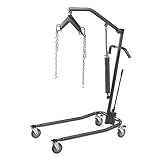 Drive Medical Hydraulic Patient Lift
A full lift is what makes one person able to manage a transfer alone. It is the single purchase that most often delays a move into residential care.
Check price on Amazon →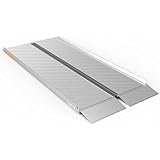 EZ-ACCESS Singlefold Wheelchair Ramp, 6 ft
Folds like a suitcase and carries in a car boot, so the same ramp handles the front step at home and the kerb at an appointment.
Check price on Amazon → Drive Medical Nitro Rollator with Seat
The seat matters more than the wheels. Being able to stop and rest is what decides whether someone still goes out at all.
Check price on Amazon → Vive Stand Assist Rail for Couch or Chair
Getting out of a low sofa is where most falls at home start. This is the cheapest thing on the list and often the first one needed.
Check price on Amazon →As an Amazon Associate we earn from qualifying purchases, at no extra cost to you. Researched guidance, not medical advice. Prices change, so check before buying.
When It May Be an Emergency
These situations warrant immediate evaluation, call 911 or get to ER quickly:
Falls
- Hit their head
- On blood thinners and hit head
- Can't get up or bear weight
- Severe pain anywhere
- Lost consciousness during fall
Signs of Sepsis
- High fever OR very low temperature
- Confusion + any sign of infection
- Rapid heart rate
- Feeling "the sickest they've ever been"
Sudden Severe Pain
- Worst headache of their life
- Sudden severe abdominal pain
- Severe back pain (could be aortic aneurysm)
Medication Issues
- Overdose (accidental or intentional)
- Severe allergic reaction (swelling, hives, difficulty breathing)
- Severe side effects
Probably NOT an Emergency
These can usually wait for urgent care or doctor appointment:
Can Wait for Urgent Care or Doctor
- Low-grade fever without severe symptoms
- Minor fall with no head injury, able to bear weight
- Mild confusion that's gradually developing
- Cold or flu symptoms without breathing difficulty
- Urinary symptoms (but call doctor same day, UTIs are serious)
- Minor cuts or wounds
- Chronic pain that's worsening but not sudden
- Constipation (unless severe abdominal pain)
What to Tell the 911 Dispatcher
- Your location (address, apartment number, any access issues)
- What's happening (symptoms, what you observe)
- When it started
- Their age and basic health conditions
- Medications (especially blood thinners)
- DNR status if applicable
Don't hang up until the dispatcher tells you to. They may give you instructions (CPR, positioning) while help is on the way.
What to Have Ready
Keep this information accessible for emergencies:
- List of medications
- List of medical conditions
- Doctor's name and phone number
- Emergency contacts
- Insurance cards
- Advance directives/DNR if applicable
- POLST form if applicable
If They're on Hospice
Call hospice first, not 911. Hospice provides 24/7 support and can manage most crises. Calling 911 may result in unwanted interventions. The hospice nurse will tell you when 911 is appropriate.
If They Have a DNR
A DNR (Do Not Resuscitate) order means they don't want CPR if their heart stops. Have the document ready to show paramedics. If you call 911, tell the dispatcher there's a DNR in place.
For true emergencies, call 911 rather than driving. Paramedics can start treatment en route, alert the ER, and provide life-saving care. Only drive yourself if the emergency room is very close and the situation is not immediately life-threatening.
Emergency Contact Card
Create a card with all essential medical information for emergencies.
Get the Card