Stroke Signs in the Elderly: Act FAST
If you suspect a stroke, call 911 right away. Every minute without treatment means more brain damage. Do NOT drive them yourself, paramedics can start treatment en route and alert the hospital.
Stroke is the fifth leading cause of death in the United States and a leading cause of disability. For elderly adults, the risk is even higher. Knowing the signs, and acting fast, can save your parent's life and their ability to function.
Remember FAST
The equipment that changes the most
Most of what caregiving costs is time. These four are the purchases that reliably buy some of it back, and they are the ones families tell us they wish they had bought sooner.
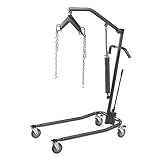 Drive Medical Hydraulic Patient Lift
A full lift is what makes one person able to manage a transfer alone. It is the single purchase that most often delays a move into residential care.
Check price on Amazon →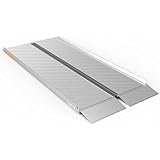 EZ-ACCESS Singlefold Wheelchair Ramp, 6 ft
Folds like a suitcase and carries in a car boot, so the same ramp handles the front step at home and the kerb at an appointment.
Check price on Amazon → Drive Medical Nitro Rollator with Seat
The seat matters more than the wheels. Being able to stop and rest is what decides whether someone still goes out at all.
Check price on Amazon → Vive Stand Assist Rail for Couch or Chair
Getting out of a low sofa is where most falls at home start. This is the cheapest thing on the list and often the first one needed.
Check price on Amazon →As an Amazon Associate we earn from qualifying purchases, at no extra cost to you. Researched guidance, not medical advice. Prices change, so check before buying.
Additional Stroke Warning Signs
Beyond FAST, watch for these symptoms:
Sudden Confusion
Trouble understanding what's being said, difficulty speaking, or seeming disoriented without explanation.
Sudden Vision Problems
Trouble seeing in one or both eyes, double vision, or sudden blindness in one eye.
Sudden Severe Headache
The worst headache of their life, often described as a "thunderclap." May signal a hemorrhagic stroke.
Sudden Trouble Walking
Dizziness, loss of balance, lack of coordination, or sudden falls.
Sudden Numbness
Numbness or weakness on one side of the body, face, arm, or leg, especially on just one side.
Why Time Matters
During a stroke, 1.9 million brain cells die every minute. The clot-busting drug tPA can reverse stroke damage, but only if given within 4.5 hours of symptom onset. The sooner, the better.
- Under 1 hour: Best outcomes, highest chance of full recovery
- 1-3 hours: Good outcomes still possible
- 3-4.5 hours: tPA may still help some patients
- After 4.5 hours: tPA no longer an option (but other treatments may help)
When you notice stroke symptoms, immediately note the time. This is critical information for the ER team. If you didn't witness the onset, tell them when you last saw your parent acting normally.
What to Do While Waiting for 911
- Stay calm and keep your parent calm
- Do NOT give food, water, or medication: swallowing may be impaired
- Lay them down with head slightly elevated if possible
- Loosen tight clothing around neck and chest
- If unconscious, place in recovery position (on their side)
- Perform CPR if they stop breathing
- Gather medications and insurance info for the hospital
Types of Stroke
Ischemic Stroke (87% of strokes)
A blood clot blocks blood flow to part of the brain. Treatment: tPA (clot-busting drug) or mechanical thrombectomy (removing the clot).
Hemorrhagic Stroke
A blood vessel bursts and bleeds into the brain. Treatment: controlling bleeding, reducing pressure in the brain, sometimes surgery.
TIA (Mini-Stroke)
Temporary blockage with symptoms that resolve within minutes to hours. A TIA is a warning sign, 1 in 3 people who have a TIA will have a full stroke later. Treat it as an emergency.
Risk Factors in the Elderly
- High blood pressure: the biggest risk factor
- Atrial fibrillation (irregular heartbeat)
- Diabetes
- High cholesterol
- Previous stroke or TIA
- Smoking
- Obesity
- Physical inactivity
After a Stroke
Recovery depends on which part of the brain was affected and how quickly treatment was received:
- First weeks: Hospital care, stabilization, initial therapy
- Rehabilitation: Physical, occupational, and speech therapy, often intensive
- Recovery timeline: Most improvement in first 3-6 months, but recovery can continue for years
- Long-term: Many survivors need ongoing support, modifications to home, caregiver assistance
Preventing Another Stroke
After one stroke, risk of another is high. Prevention includes:
- Taking blood thinners or anti-platelet medications as prescribed
- Controlling blood pressure (often multiple medications)
- Managing diabetes and cholesterol
- Quitting smoking
- Regular follow-up with neurologist
- Cardiac monitoring for atrial fibrillation