Sepsis in the Elderly: Warning Signs That Save Lives
If you suspect sepsis, call 911 now. Say "I think my parent has sepsis" so they can prepare. Sepsis kills fast, every hour of delayed treatment increases mortality by 8%. This is a medical emergency.
The signs of sepsis in the elderly, at a glance:
- Sudden confusion, disorientation, or unusual sleepiness (often the FIRST sign in seniors, sometimes the only one)
- Fever over 100.4°F OR abnormally low temperature under 96.8°F (older adults often do not run a fever)
- Rapid heart rate (over 90 beats per minute)
- Rapid breathing (over 22 breaths per minute)
- Cold, clammy, mottled, or discolored skin
- Shaking or shivering
- Decreased urination
- Slurred speech, dizziness, or feeling extremely ill with any known or suspected infection (UTI, pneumonia, skin wound)
Any of these alongside an infection means call 911 now. This page is researched caregiver information, not professional medical advice; emergency evaluation by a doctor is the only way to diagnose sepsis.
Sepsis is the body's extreme, life-threatening response to an infection. It can develop from any infection, UTI, pneumonia, skin wound, even the flu. In the elderly, it can progress from "seems a little sick" to critical in just hours.
Sepsis kills over 250,000 Americans each year. The elderly are at highest risk, and most likely to die from it. Knowing the warning signs can save your parent's life.
Every Hour Matters
For every hour that antibiotic treatment is delayed, the risk of death increases by 8%. If you suspect sepsis, don't wait to "see if they get better."
Warning Signs of Sepsis
Use the acronym TIME to remember:
T - Temperature
Fever (over 100.4°F) OR abnormally low temperature (under 96.8°F). In elderly, low body temperature can signal severe infection.
I - Infection
Signs of infection: pain, redness, swelling, pus, cough, burning with urination, or any recent infection that seems to be worsening.
M - Mental Decline
Confusion, disorientation, difficulty waking, acting strangely, or just "not themselves." This is often the first sign in elderly.
E - Extremely Ill
Severe pain, extreme fatigue, feeling like "the worst they've ever felt," or saying "something is really wrong."
The equipment that changes the most
Most of what caregiving costs is time. These four are the purchases that reliably buy some of it back, and they are the ones families tell us they wish they had bought sooner.
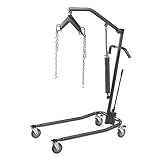 Drive Medical Hydraulic Patient Lift
A full lift is what makes one person able to manage a transfer alone. It is the single purchase that most often delays a move into residential care.
Check price on Amazon →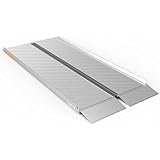 EZ-ACCESS Singlefold Wheelchair Ramp, 6 ft
Folds like a suitcase and carries in a car boot, so the same ramp handles the front step at home and the kerb at an appointment.
Check price on Amazon → Drive Medical Nitro Rollator with Seat
The seat matters more than the wheels. Being able to stop and rest is what decides whether someone still goes out at all.
Check price on Amazon → Vive Stand Assist Rail for Couch or Chair
Getting out of a low sofa is where most falls at home start. This is the cheapest thing on the list and often the first one needed.
Check price on Amazon →As an Amazon Associate we earn from qualifying purchases, at no extra cost to you. Researched guidance, not medical advice. Prices change, so check before buying.
Other Red Flags
- Rapid heart rate (over 90 beats per minute)
- Rapid breathing (over 22 breaths per minute)
- Very low blood pressure (feeling dizzy, faint)
- Mottled or discolored skin (pale, blotchy, grayish)
- Decreased urination (hasn't urinated in hours)
- Shaking or shivering
- Slurred speech
- Cold or clammy skin
Older adults often don't develop high fevers with sepsis. Confusion or lethargy may be the ONLY sign. If your parent seems "out of it" and has any kind of infection, suspect sepsis.
Common Infections That Lead to Sepsis
- Urinary tract infections (UTIs): the most common source in elderly
- Pneumonia: lung infections
- Skin infections: bedsores, wounds, cellulitis
- Abdominal infections: gallbladder, appendix, bowel
- Flu or COVID: viral infections can lead to bacterial sepsis
- Catheter-related infections
Who's at Highest Risk?
- Adults over 65 (risk increases significantly with age)
- Those with chronic conditions (diabetes, kidney disease, cancer, COPD)
- People with weakened immune systems
- Nursing home residents
- Those who recently had surgery or were hospitalized
- People with catheters, IVs, or other medical devices
What to Do If You Suspect Sepsis
- Call 911 immediately. Tell them you suspect sepsis.
- Stay with your parent. Monitor their breathing and consciousness.
- Note symptoms and timing. When did this start? What infection do they have?
- Gather medication list. Bring to hospital.
- Don't give food or water if they're confused or may need surgery.
Treatment
Sepsis requires aggressive hospital treatment:
- IV antibiotics: started within the first hour
- IV fluids: to maintain blood pressure
- Oxygen: if breathing is affected
- Vasopressors: medications to raise blood pressure if needed
- Source control: treating the underlying infection (draining abscess, removing catheter)
- ICU care: monitoring for organ failure
Stages of Sepsis
Sepsis
Infection plus abnormal body response (altered temperature, heart rate, breathing, mental status).
Severe Sepsis
Sepsis plus organ dysfunction, decreased urine, difficulty breathing, abnormal heart function, altered consciousness.
Septic Shock
Severe sepsis plus dangerously low blood pressure that doesn't respond to fluids. Mortality rate is 40% or higher.
After Sepsis
Surviving sepsis is just the beginning. Many survivors experience:
- Post-sepsis syndrome: Fatigue, weakness, cognitive problems lasting months
- Increased infection risk: Immune system may be weakened
- Hospital readmission: 1 in 3 survivors are readmitted within 90 days
- Long-term effects: Some never return to pre-sepsis function
Prevention
- Stay up to date on vaccines: Flu, pneumonia, COVID
- Treat infections early: Don't wait to see a doctor
- Practice good hygiene: Hand washing, wound care
- Monitor chronic conditions: Well-controlled diabetes, etc.
- Catheter care: If used, proper hygiene and removal when possible
- Know the signs: Early recognition is the best prevention
If something feels very wrong, act on it. Families often sense when their parent is "sicker than usual." Don't let healthcare providers dismiss your concerns. Say "I'm worried about sepsis" and insist on evaluation.
Related Resources
- UTI Symptoms in Elderly
- Pneumonia in the Elderly
- Hospital Discharge Planning
- What to Do When Parent Falls
Common questions about sepsis in the elderly
What are the early signs of sepsis in elderly adults?
Early sepsis in seniors often shows up as sudden confusion or unusual sleepiness, a fast heart rate, fast or shallow breathing, fever or an abnormally low temperature, shivering, clammy skin, and producing little urine. In older adults confusion may be the first and clearest clue, even before fever.
Why is sepsis harder to spot in seniors?
Older adults may not mount a fever, and baseline conditions like dementia can mask the confusion that signals sepsis. That's why a sudden change from a person's normal alertness or behavior should be treated as a medical emergency, not 'just a bad day.'
When should I call 911 for possible sepsis?
Call 911 immediately if a known or suspected infection is paired with new confusion, trouble breathing, a racing heart, very low blood pressure, or skin that is mottled, cold, or clammy. Sepsis is a time-critical emergency, every hour of delayed treatment raises the risk of death.
Authoritative sources: CDC, About Sepsis and Sepsis Alliance.