Pneumonia in the Elderly: A Dangerous Infection
Pneumonia is one of the leading causes of hospitalization and death among elderly adults. What might be a manageable illness in a younger person can quickly become life-threatening in someone over 65. Knowing the signs, especially the atypical ones, can save your parent's life.
Severe difficulty breathing, blue lips or fingernails, confusion or altered mental status, chest pain, high fever that won't come down, or inability to keep fluids down. Don't wait, pneumonia can deteriorate rapidly in the elderly.
Why Pneumonia Is Dangerous for Elderly
- Weakened immune system: Less able to fight infection
- Reduced lung capacity: Harder to clear secretions
- Other health conditions: Heart disease, diabetes, COPD increase risk
- Atypical symptoms: May not show classic signs until severely ill
- Rapid decline: Can go from "a little tired" to critical in hours
- Higher mortality: Pneumonia kills more elderly adults than younger people
Older adults often don't get high fevers or the classic "productive cough." Instead, they may become confused, lethargic, or simply "not themselves." If your parent seems off, even without typical symptoms, consider pneumonia.
The equipment that changes the most
Most of what caregiving costs is time. These four are the purchases that reliably buy some of it back, and they are the ones families tell us they wish they had bought sooner.
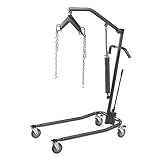 Drive Medical Hydraulic Patient Lift
A full lift is what makes one person able to manage a transfer alone. It is the single purchase that most often delays a move into residential care.
Check price on Amazon →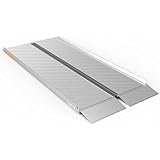 EZ-ACCESS Singlefold Wheelchair Ramp, 6 ft
Folds like a suitcase and carries in a car boot, so the same ramp handles the front step at home and the kerb at an appointment.
Check price on Amazon → Drive Medical Nitro Rollator with Seat
The seat matters more than the wheels. Being able to stop and rest is what decides whether someone still goes out at all.
Check price on Amazon → Vive Stand Assist Rail for Couch or Chair
Getting out of a low sofa is where most falls at home start. This is the cheapest thing on the list and often the first one needed.
Check price on Amazon →As an Amazon Associate we earn from qualifying purchases, at no extra cost to you. Researched guidance, not medical advice. Prices change, so check before buying.
Signs of Pneumonia in the Elderly
Classic Symptoms (May or May Not Be Present)
Cough
May produce mucus (green, yellow, or bloody) or may be dry. Sometimes absent in elderly.
Fever
May be lower than expected (under 100°F) or absent. Any fever in elderly is concerning.
Shortness of Breath
Difficulty breathing, rapid breathing, or feeling winded with minimal activity.
Chest Pain
Sharp pain when breathing deeply or coughing.
Atypical Symptoms (Common in Elderly)
Confusion
New confusion, disorientation, or delirium, often the first or only sign.
Falls
Weakness from infection leading to falls.
Not Eating/Drinking
Loss of appetite, refusing food or water.
Extreme Fatigue
Sleeping much more than usual, hard to rouse.
Worsening of Other Conditions
Diabetes becomes uncontrolled, heart failure worsens.
Low Body Temperature
Below 95°F, can indicate severe infection in elderly.
Types of Pneumonia
| Type | Cause | Notes |
|---|---|---|
| Community-Acquired | Bacteria, viruses (flu, COVID) | Caught outside healthcare settings |
| Hospital-Acquired | Often resistant bacteria | Develops during hospital stay; serious |
| Aspiration | Inhaled food, liquid, vomit | Common with swallowing problems, dementia |
| Viral | Flu, COVID-19, RSV | Can lead to bacterial pneumonia |
When to See a Doctor vs. ER
See Doctor Same Day
- Cough with colored mucus
- Low-grade fever (99-100°F)
- Mild shortness of breath
- New fatigue or weakness
- Mild confusion that's new
Go to ER Immediately
- Severe difficulty breathing
- Blue or gray lips, face, fingernails
- Chest pain
- High fever (over 102°F) or very low temperature (under 95°F)
- Significant confusion or unresponsiveness
- Rapid heart rate
- Unable to keep fluids down
Treatment
- Antibiotics: For bacterial pneumonia (most common in elderly)
- Antivirals: For flu or COVID-related pneumonia if caught early
- Hospitalization: Often required for elderly; IV fluids, oxygen, monitoring
- Oxygen therapy: If oxygen levels are low
- Rest and fluids: Even after antibiotics start working
Recovery
Recovery takes longer in elderly, often weeks to months:
- First week: Fever should improve, cough may worsen before better
- 2-4 weeks: Gradual improvement, still fatigued
- 1-3 months: Full recovery; some have lingering fatigue
Watch for re-infection or complications during recovery. Don't rush back to normal activities.
Prevention
- Pneumonia vaccine: Two vaccines recommended for those 65+
- Flu vaccine: Yearly, flu often leads to pneumonia
- COVID vaccine: Reduces severe illness and pneumonia risk
- Hand hygiene: Wash hands frequently
- Avoid sick people: Especially during flu season
- Oral care: Good dental hygiene reduces aspiration pneumonia risk
- Head of bed elevated: For those with swallowing problems
- Don't smoke: Damages lungs and immune system
If your parent has swallowing difficulties (common with dementia, stroke, Parkinson's), work with a speech therapist on safe swallowing techniques. Thickened liquids, proper positioning, and modified diet textures can reduce aspiration risk.
Medication Tracker
Keep track of medications, including antibiotics, to ensure proper completion of treatment.
Get the Tracker