Osteoporosis in Elderly Parents
"Brittle bones." It sounds minor until you realize that a simple fall, or even a cough, can break a hip, spine, or wrist. Osteoporosis affects about 10 million Americans, and another 44 million have low bone density. For elderly parents, a fracture can be life-changing or even life-ending.
About 20% of people who break a hip die within a year. Many who survive never regain their previous level of function. Prevention is critical.
Understanding Bone Density
The T-Score
Bone density is measured by a DEXA scan and reported as a T-score:
- Normal: T-score of -1.0 or higher
- Osteopenia (low bone mass): T-score between -1.0 and -2.5
- Osteoporosis: T-score of -2.5 or lower
- Severe osteoporosis: T-score of -2.5 or lower plus fracture history
Who Should Be Tested?
- All women 65 and older
- All men 70 and older
- Anyone who has broken a bone after age 50
- Anyone with risk factors (see below)
The equipment that changes the most
Most of what caregiving costs is time. These four are the purchases that reliably buy some of it back, and they are the ones families tell us they wish they had bought sooner.
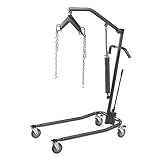 Drive Medical Hydraulic Patient Lift
A full lift is what makes one person able to manage a transfer alone. It is the single purchase that most often delays a move into residential care.
Check price on Amazon →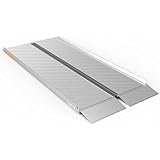 EZ-ACCESS Singlefold Wheelchair Ramp, 6 ft
Folds like a suitcase and carries in a car boot, so the same ramp handles the front step at home and the kerb at an appointment.
Check price on Amazon → Drive Medical Nitro Rollator with Seat
The seat matters more than the wheels. Being able to stop and rest is what decides whether someone still goes out at all.
Check price on Amazon → Vive Stand Assist Rail for Couch or Chair
Getting out of a low sofa is where most falls at home start. This is the cheapest thing on the list and often the first one needed.
Check price on Amazon →As an Amazon Associate we earn from qualifying purchases, at no extra cost to you. Researched guidance, not medical advice. Prices change, so check before buying.
Risk Factors
You Can't Change
- Female sex (women are at higher risk)
- Older age
- Family history of osteoporosis or fractures
- Small frame
- White or Asian ethnicity
- Early menopause
You Can Address
- Low calcium and vitamin D intake
- Sedentary lifestyle
- Smoking
- Excessive alcohol
- Long-term steroid use
- Certain medications
- Corticosteroids (prednisone) with long-term use
- Some anti-seizure medications
- Proton pump inhibitors (long-term use)
- Some cancer treatments
- Thyroid hormone (if dose is too high)
Treatment Options
Calcium and Vitamin D
The foundation of bone health:
- Calcium: 1,000-1,200 mg daily (food sources preferred)
- Vitamin D: 800-1,000 IU daily (often higher doses needed)
- Food sources: dairy, fortified foods, leafy greens, fish with bones
- Blood level of vitamin D should be checked, many elderly are deficient
Some research suggests very high calcium supplement doses may increase heart disease risk. Aim to get calcium from food when possible, and don't exceed recommended amounts without doctor guidance.
Medications
Bisphosphonates (Most Common)
Examples: Alendronate (Fosamax), risedronate (Actonel), ibandronate (Boniva), zoledronic acid (Reclast)
How they work: Slow bone breakdown
Frequency: Weekly, monthly, or yearly injection
Important: Must be taken on empty stomach, sitting upright for 30 minutes (for pills)
Denosumab (Prolia)
How it works: Blocks cells that break down bone
Frequency: Injection every 6 months
Important: Must not be stopped suddenly, can cause rebound bone loss
Note: Good option for those who can't take bisphosphonates
Bone-Building Medications (Anabolic)
Examples: Teriparatide (Forteo), abaloparatide (Tymlos), romosozumab (Evenity)
How they work: Actually build new bone
Use: For severe osteoporosis or when other treatments fail
Duration: Limited to 2 years
Medication Holidays
After years of treatment, doctors may recommend a "drug holiday" because:
- Medication remains in bone for years after stopping
- Very long-term use may rarely cause unusual fractures
- Benefit may continue during the break
- Decision is individualized based on risk
Fall Prevention Is Critical
With osteoporosis, preventing falls is as important as treating the bones. One fall can undo years of bone-building treatment.
Home Modifications
- Remove throw rugs and clutter
- Install grab bars in bathroom
- Ensure good lighting throughout
- Use night lights
- Secure loose carpets
- Non-slip mats in bathroom
- Handrails on all stairs
Exercise for Bone Health and Balance
- Weight-bearing exercise: Walking, dancing, stair climbing
- Resistance training: Light weights, resistance bands
- Balance exercises: Tai chi, yoga, standing on one foot
- Physical therapy can design a safe program
Exercise helps two ways: it maintains bone density, and it improves balance and strength to prevent the falls that cause fractures. Even chair exercises help if mobility is limited.
Medication Review
Many medications increase fall risk:
- Sleep medications
- Anti-anxiety medications
- Blood pressure medications (can cause dizziness)
- Opioid pain medications
- Some antidepressants
Ask the doctor to review all medications for fall risk.
When a Fracture Happens
Hip Fractures
- Usually require surgery
- Followed by rehabilitation (often in SNF)
- May take months to recover
- Some never return to previous function
- Immediate treatment of osteoporosis is important after fracture
Vertebral (Spine) Fractures
- May happen without obvious injury
- Cause back pain and height loss
- Often not diagnosed
- Can cause curved spine (dowager's hump)
- Treatment usually conservative (pain management, bracing)
- Kyphoplasty or vertebroplasty may help some patients
Wrist Fractures
- Often from catching oneself during a fall
- Usually treatable with casting
- May indicate increased risk for future fractures
- Should prompt osteoporosis evaluation if not already diagnosed
A fracture at age 50+ doubles the risk of future fractures. If your parent has already had a fracture, aggressive treatment and fall prevention become even more important.
Lifestyle Factors
Diet for Bone Health
- Calcium-rich foods: dairy, fortified orange juice, leafy greens
- Vitamin D sources: fatty fish, fortified foods, sunlight
- Protein: Important for bone and muscle
- Limit caffeine (can increase calcium loss)
- Limit alcohol (weakens bones)
Stop Smoking
Smoking:
- Directly weakens bones
- Interferes with calcium absorption
- Reduces estrogen levels
- Slows fracture healing
Working with Healthcare Providers
Questions to Ask
- What is my parent's T-score?
- What is their fracture risk (FRAX score)?
- Should they be on medication?
- Are their vitamin D levels adequate?
- Are any of their medications affecting their bones?
- How often should they be retested?
Specialists Who Treat Osteoporosis
- Endocrinologists
- Rheumatologists
- Orthopedists
- Geriatricians
- Some primary care doctors