High blood pressure (hypertension) affects nearly 80% of adults over 65. Often called "the silent killer," it usually has no symptoms until it causes a stroke, heart attack, or kidney failure. As a caregiver, helping your parent manage their blood pressure is one of the most impactful things you can do for their health.
Understanding Blood Pressure Numbers
Blood pressure is measured with two numbers: systolic (top number, pressure when heart beats) and diastolic (bottom number, pressure between beats). Here's what the numbers mean:
| Category | Systolic (top) | Diastolic (bottom) |
|---|---|---|
| Normal | Less than 120 | Less than 80 |
| Elevated | 120-129 | Less than 80 |
| High (Stage 1) | 130-139 | 80-89 |
| High (Stage 2) | 140 or higher | 90 or higher |
| Hypertensive Crisis | Higher than 180 | Higher than 120 |
As an Amazon Associate, we earn from qualifying purchases.
Recommended Blood Pressure Products
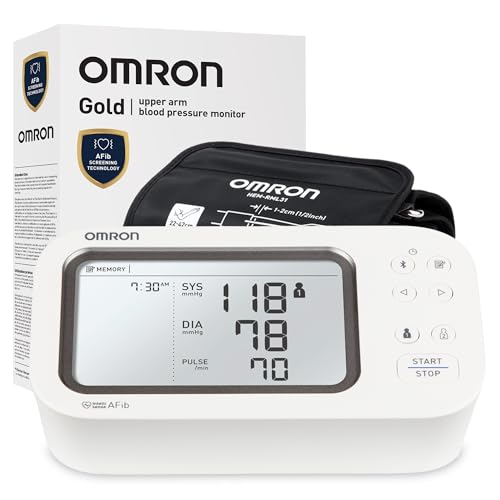 Omron Gold Blood Pressure Monitor Clinically validated upper arm monitor with Bluetooth connectivity
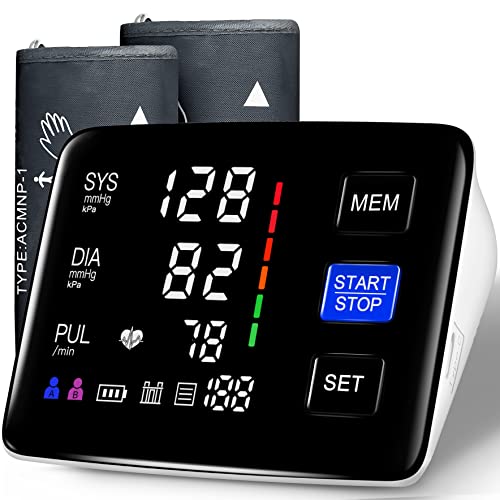 Extra Large Blood Pressure Cuff Proper cuff size ensures accurate readings for larger arms
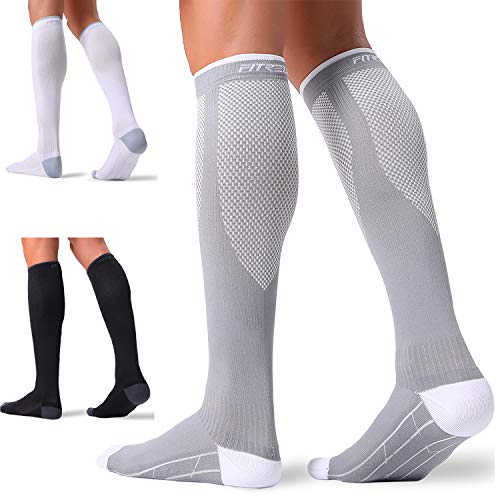 Compression Socks for Circulation Helps prevent orthostatic hypotension and improves circulation
 Automatic Pill Dispenser Never miss a blood pressure medication with automatic alerts
Why High Blood Pressure Is Dangerous
Consistently elevated blood pressure damages blood vessels throughout the body, leading to:
Heart Problems
- Heart attack
- Heart failure
- Irregular heart rhythms
- Enlarged heart
Brain Problems
- Stroke
- Transient ischemic attacks (TIAs)
- Vascular dementia
- Cognitive decline
Other Organ Damage
- Kidney disease/failure
- Vision loss
- Peripheral artery disease
- Sexual dysfunction
How to Take Blood Pressure at Home
Home monitoring is essential for good blood pressure control. It gives a more accurate picture than occasional office visits and helps identify "white coat hypertension" (high readings only at the doctor).
Choosing a Monitor
- Use an upper arm cuff (not wrist) for most accurate readings
- Choose a validated, automatic digital monitor
- Ensure the cuff size is correct for your parent's arm (too small = falsely high readings)
- Bring the monitor to a doctor's visit to verify accuracy
- Replace every 3-5 years
Taking an Accurate Reading
Prepare properly
No caffeine, exercise, or smoking for 30 minutes before. Empty bladder. Rest quietly for 5 minutes before measuring.
Position correctly
Sit with back supported, feet flat on floor (not crossed). Arm supported at heart level on a table. Don't talk during the reading.
Apply cuff properly
Place on bare arm (not over clothing). Bottom of cuff should be about 1 inch above elbow crease. Cuff should be snug but allow two fingers underneath.
Take multiple readings
Take 2-3 readings, 1 minute apart. Record all readings. The average of the last two readings is most accurate.
Measure consistently
Same time each day is ideal. Morning and evening readings are most useful. Before taking medications gives the clearest picture.
Blood Pressure Medications
Most seniors with hypertension need medication, often multiple medications. Understanding the main types helps you support proper use:
ACE Inhibitors
- Relaxes blood vessels
- Protects kidneys (especially for diabetics)
- Common side effect: dry cough
- May raise potassium levels
ARBs
- Similar benefits to ACE inhibitors
- Alternative if ACE inhibitor causes cough
- Also protects kidneys
- May raise potassium levels
Calcium Channel Blockers
- Relaxes blood vessels
- Some also slow heart rate
- Side effects: ankle swelling, constipation
- Avoid grapefruit juice
Diuretics (Water Pills)
- Remove excess fluid and sodium
- Often first-line for seniors
- Increase urination
- May deplete potassium, magnesium
Beta Blockers
- Slow heart rate
- Often used with heart failure
- May cause fatigue, cold hands
- Don't stop suddenly
Lifestyle Changes That Lower Blood Pressure
Lifestyle modifications can lower blood pressure as much as medications, and should be part of any treatment plan:
Reduce Sodium
Under 2,300mg/day (ideally 1,500mg)
Lose Weight
Even 5-10 lbs makes a difference
Exercise
30 min moderate activity most days
DASH Diet
Fruits, vegetables, low-fat dairy
Limit Alcohol
Max 1 drink/day women, 2 men
Quit Smoking
Each cigarette raises BP temporarily
The DASH Diet for Blood Pressure
Emphasize These Foods
- Fruits (4-5 servings/day)
- Vegetables (4-5 servings/day)
- Whole grains
- Low-fat dairy
- Lean protein (fish, poultry)
- Nuts, seeds, legumes
- Potassium-rich foods (bananas, potatoes)
- Herbs and spices instead of salt
Limit These Foods
- Red meat
- Full-fat dairy
- Sweets and sugary drinks
- Refined grains
- Restaurant/takeout food
- Canned soups and vegetables
Hidden Sodium Sources to Avoid
- Bread and rolls
- Deli meats and cured meats
- Pizza
- Frozen meals
- Cheese
- Condiments (soy sauce, ketchup)
- Pickled foods
- Canned soups
Orthostatic Hypotension: The Flip Side
While managing high blood pressure, watch for the opposite problem: blood pressure that drops too low when standing (orthostatic hypotension). This is common in seniors, especially those on blood pressure medications, and causes:
Symptoms When Standing
- Dizziness or lightheadedness
- Blurred vision
- Weakness
- Fainting or near-fainting
- Confusion
- Nausea
Prevention Strategies
- Rise slowly from sitting/lying
- Sit on edge of bed before standing
- Stay well hydrated
- Avoid standing for long periods
- Compression stockings may help
- Report to doctor, may need med adjustment
When Blood Pressure Is a Medical Emergency
- With symptoms (chest pain, shortness of breath, back pain, numbness, weakness, vision changes, difficulty speaking): Call 911 immediately
- Without symptoms: Call the doctor urgently or go to urgent care
A hypertensive crisis can cause stroke, heart attack, aortic dissection, or organ damage. It requires immediate medical attention.
Helping Your Parent Stay on Track
Maintain a medication schedule
Use pill organizers, phone reminders, or medication management apps. Consistency is crucial.
Track blood pressure readings
Keep a log to share with the doctor. Note time, readings, and any symptoms or unusual circumstances.
Reduce sodium in cooking
Cook from scratch when possible. Use herbs, spices, garlic, and lemon for flavor instead of salt.
Encourage movement
Even light walking helps. Any activity is better than none.
Attend doctor appointments
Accompany your parent to appointments to hear recommendations and ask questions.
Track Blood Pressure Readings
Our daily care logs include blood pressure tracking along with medication schedules and symptom monitoring.
Get the Care Coordination Binder