Pneumonia is one of the leading causes of hospitalization and death among adults over 65. In seniors, it's often called "the old man's friend" because it can quickly lead to decline and death, but with early recognition and proper treatment, most cases are survivable. Understanding the warning signs and prevention strategies can save your parent's life.
Why Pneumonia Is More Dangerous in Seniors
Pneumonia affects elderly adults differently, and more severely, than younger people:
Immune response declines with age
Less lung capacity and weaker cough
COPD, diabetes, heart disease increase risk
Aspiration risk increases
Nursing homes have higher rates
May not show typical signs
The equipment that changes the most
Most of what caregiving costs is time. These four are the purchases that reliably buy some of it back, and they are the ones families tell us they wish they had bought sooner.
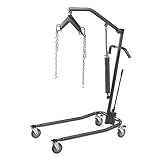 Drive Medical Hydraulic Patient Lift
A full lift is what makes one person able to manage a transfer alone. It is the single purchase that most often delays a move into residential care.
Check price on Amazon →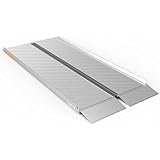 EZ-ACCESS Singlefold Wheelchair Ramp, 6 ft
Folds like a suitcase and carries in a car boot, so the same ramp handles the front step at home and the kerb at an appointment.
Check price on Amazon → Drive Medical Nitro Rollator with Seat
The seat matters more than the wheels. Being able to stop and rest is what decides whether someone still goes out at all.
Check price on Amazon → Vive Stand Assist Rail for Couch or Chair
Getting out of a low sofa is where most falls at home start. This is the cheapest thing on the list and often the first one needed.
Check price on Amazon →As an Amazon Associate we earn from qualifying purchases, at no extra cost to you. Researched guidance, not medical advice. Prices change, so check before buying.
Recognizing Pneumonia Symptoms
In elderly adults, pneumonia often presents differently than in younger people. Classic symptoms may be absent, replaced by vague signs that are easy to miss:
Classic Symptoms
- Cough (may produce mucus)
- Fever and chills
- Shortness of breath
- Chest pain when breathing
- Fatigue
- Increased heart rate
Atypical Symptoms in Elderly
- Confusion or delirium (often the first sign)
- No fever or low-grade fever
- Falls or sudden weakness
- Loss of appetite
- Worsening of existing conditions
- Incontinence (new or worse)
Types of Pneumonia
Community-Acquired Pneumonia (CAP)
- Usually bacterial (Streptococcus pneumoniae most common)
- Can also be viral (flu, COVID-19, RSV)
- Often follows a cold or flu
- Typically treated with oral antibiotics for mild cases
Healthcare-Associated Pneumonia (HAP)
- Often caused by antibiotic-resistant bacteria
- More serious and harder to treat
- Higher mortality rate
- May require IV antibiotics and hospitalization
Aspiration Pneumonia
- Very common in elderly with swallowing difficulties
- Associated with dementia, stroke, Parkinson's
- Can occur silently (without choking)
- Often recurrent if underlying cause isn't addressed
Aspiration Risk Factors
Your parent is at higher risk for aspiration pneumonia if they have:
- Difficulty swallowing (dysphagia)
- Dementia or cognitive impairment
- History of stroke
- Parkinson's disease
- GERD (acid reflux)
- A feeding tube
- Reduced alertness or sedation
- Poor dental hygiene
When to Seek Medical Care
- Severe difficulty breathing or unable to catch breath
- Bluish lips, fingernails, or skin
- Severe confusion or inability to be roused
- Chest pain
- High fever (above 102°F)
- Coughing up blood
- Rapid decline in condition
For less severe symptoms, new cough, low-grade fever, increased fatigue, mild confusion, contact their doctor promptly. Pneumonia can worsen rapidly in elderly adults, so early evaluation is important.
Treatment
Treatment depends on the type and severity of pneumonia:
Outpatient Treatment
- Oral antibiotics (5-7 days typically)
- Rest and increased fluids
- Over-the-counter pain/fever reducers
- Close monitoring at home
- Follow-up appointment
Hospital Treatment
- IV antibiotics
- IV fluids for hydration
- Oxygen therapy if needed
- Breathing treatments
- Monitoring of vital signs
- Sometimes ventilator support
Recovery Timeline
What to Expect During Recovery
Preventing Pneumonia
Essential Vaccines
Pneumococcal Vaccine (PCV20 or PCV21)
- Recommended for all adults 65+
- Protects against bacterial pneumonia
- Single dose for most; ask doctor about need for boosters
- Can be given at same time as flu shot
Annual Flu Shot
- Flu often leads to pneumonia in elderly
- High-dose version recommended for 65+
- Get vaccinated every fall
- Reduces hospitalization and death
COVID-19 Vaccine
- COVID can cause severe pneumonia in elderly
- Stay up to date on boosters
- Especially important for those with chronic conditions
RSV Vaccine
- New vaccine approved for adults 60+
- RSV causes serious respiratory illness in seniors
- Single dose; talk to doctor about timing
Other Prevention Strategies
Good hand hygiene
Wash hands frequently, especially before meals and after being in public. Use hand sanitizer when soap isn't available.
Oral hygiene
Brush teeth twice daily, even with dentures. Poor oral hygiene increases aspiration pneumonia risk. See dentist regularly.
Stay upright after eating
Keep your parent upright for at least 30 minutes after meals to prevent aspiration. Don't eat lying down.
Manage swallowing problems
If your parent has difficulty swallowing, work with a speech therapist. Thickened liquids or modified textures may be needed.
Avoid sick contacts
Keep distance from people with colds, flu, or other respiratory infections. Consider mask wearing in crowded indoor spaces.
Don't smoke
Smoking damages lungs and increases infection risk. It's never too late to quit. Secondhand smoke is also harmful.
After Hospitalization
If your parent was hospitalized for pneumonia, the transition home requires careful attention:
Immediate Priorities
- Complete all prescribed antibiotics
- Attend follow-up appointments
- Watch for signs of recurrence
- Ensure proper nutrition and hydration
- Allow plenty of rest
Red Flags After Discharge
- Return of fever
- Worsening cough or new symptoms
- Increased confusion
- Difficulty breathing
- Inability to eat or drink
Track Symptoms and Medications
Monitor recovery, track medications, and log symptoms with our daily care tools.
Get the Care Coordination Binder