Your 78-year-old mother suddenly doesn't recognize you. She's confused, agitated, and talking about people who aren't there. Before you panic about dementia, consider this: it might be a urinary tract infection. UTIs are one of the most common, and most commonly missed, causes of sudden mental changes in elderly adults.
Why UTIs Affect the Elderly Differently
In younger adults, UTIs cause obvious symptoms: burning during urination, frequent urges to go, and lower abdominal pain. In elderly adults, especially those over 70, these classic symptoms are often absent or overshadowed by dramatic behavioral changes.
Risk Factors in Elderly Adults
Reduced thirst sensation
Higher sugar in urine
Direct bacterial access
Moisture promotes bacteria
Age-related decline
Incomplete bladder emptying
The equipment that changes the most
Most of what caregiving costs is time. These four are the purchases that reliably buy some of it back, and they are the ones families tell us they wish they had bought sooner.
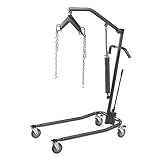 Drive Medical Hydraulic Patient Lift
A full lift is what makes one person able to manage a transfer alone. It is the single purchase that most often delays a move into residential care.
Check price on Amazon → EZ-ACCESS Singlefold Wheelchair Ramp, 6 ft
Folds like a suitcase and carries in a car boot, so the same ramp handles the front step at home and the kerb at an appointment.
Check price on Amazon → Drive Medical Nitro Rollator with Seat
The seat matters more than the wheels. Being able to stop and rest is what decides whether someone still goes out at all.
Check price on Amazon → Vive Stand Assist Rail for Couch or Chair
Getting out of a low sofa is where most falls at home start. This is the cheapest thing on the list and often the first one needed.
Check price on Amazon →As an Amazon Associate we earn from qualifying purchases, at no extra cost to you. Researched guidance, not medical advice. Prices change, so check before buying.
Typical vs. Atypical Symptoms
Classic UTI Symptoms (Often Absent in Elderly)
- Burning or pain during urination
- Frequent, urgent need to urinate
- Cloudy, dark, or strong-smelling urine
- Lower abdominal or pelvic pressure
- Low-grade fever
Atypical Symptoms Common in Elderly (Watch For These)
- Sudden confusion or delirium
- Agitation or combativeness
- Hallucinations or paranoia
- Sudden incontinence (new or worse)
- Extreme fatigue or lethargy
- Falls or sudden mobility decline
- Loss of appetite
- Social withdrawal
When Confusion Signals a UTI
Delirium Signs
- New confusion (sudden onset)
- Fluctuating awareness
- Difficulty focusing
- Altered sleep-wake cycles
- Disorganized thinking
Behavioral Changes
- Unusual agitation
- Paranoid accusations
- Not recognizing family
- Inappropriate behavior
- Personality changes
Getting a Diagnosis
If you suspect a UTI in your elderly parent, getting proper diagnosis requires both a urine test and clinical evaluation. Here's what to know:
The Urine Test Challenge
What the Doctor Will Look For
- Urinalysis: White blood cells, nitrites, leukocyte esterase
- Urine culture: Identifies specific bacteria and antibiotic sensitivity
- Symptom correlation: Matching test results with actual symptoms
- Ruling out other causes: Blood tests, sometimes imaging
Collecting a Clean Sample
Getting a good urine sample from an elderly parent can be challenging, especially with incontinence or cognitive issues:
Mid-stream catch
Start urinating, then collect mid-stream to avoid contamination from skin bacteria.
Clean properly first
Wipe front to back with the provided wipe before collecting the sample.
Keep it cold
Refrigerate the sample if you can't get it to the lab within an hour.
Treatment and Recovery
💊 Antibiotic Treatment
UTIs are treated with antibiotics, typically for 3-7 days in uncomplicated cases, longer for complicated or recurrent infections.
- Complete the entire course even if symptoms improve
- Watch for side effects (diarrhea, nausea, yeast infections)
- Probiotics may help prevent antibiotic-related complications
- Follow-up culture may be needed to confirm clearance
What to Expect During Recovery
Prevention Strategies
Push fluids consistently
Aim for 6-8 glasses of water daily. Set reminders or offer fluids at regular intervals. Elderly adults often have diminished thirst sensation.
Maintain bathroom hygiene
Wipe front to back. Keep the genital area clean and dry. Change incontinence products frequently.
Address incontinence properly
Don't leave wet pads on too long. Consider scheduled toileting every 2-3 hours to keep bladder emptied.
Consider cranberry products
Some evidence suggests cranberry may help prevent UTIs by preventing bacteria from adhering to bladder walls. Discuss with doctor first.
Manage catheter care
If your parent has a catheter, follow proper cleaning protocols and discuss with their doctor if frequent infections occur.
Ask about vaginal estrogen
For post-menopausal women with recurrent UTIs, topical estrogen can help restore protective bacteria and reduce infections.
For Parents with Dementia
UTIs in parents with existing dementia present unique challenges:
Communication Barriers
- May not report symptoms
- Can't describe discomfort
- Changes blamed on dementia
- Pain may present as agitation
What to Watch For
- Sudden worsening of confusion
- New or increased agitation
- Changes from their baseline
- New incontinence or frequency
Track Symptoms Systematically
Our daily care log helps you document behavioral changes, symptoms, and patterns so nothing gets missed.
Get the Care Coordination BinderTalking to the Doctor
When you suspect your parent has a UTI, come prepared with specific information:
Information to Bring
- When symptoms started (be specific about dates and times)
- What symptoms you've observed (mental and physical changes)
- How this differs from their normal baseline
- Recent antibiotic use (increases resistance risk)
- Current medications (some increase UTI risk)
- History of previous UTIs
- Fluid intake and bathroom patterns