Dementia Sleep Problems: Managing Nighttime Challenges
Sleep problems affect up to 70% of people with dementia. Your parent may wander at night, sleep all day, become agitated at sunset, or stay awake for hours. These issues exhaust everyone, especially you. Understanding the causes and having a plan can help both of you get more rest.
Caregiver sleep deprivation is one of the top reasons families move a parent to memory care. You cannot provide good care when exhausted. Getting help with nighttime care isn't giving up, it's necessary.
Common Sleep Problems in Dementia
Sundowning
Increased confusion, agitation, or anxiety in late afternoon and evening. May include pacing, yelling, or trying to leave. Usually worst from about 4 PM to 8 PM, though it can extend into the night.
Day-Night Reversal
Sleeping during the day and awake at night. The internal clock becomes confused. They may be up and active at 2 AM and exhausted by 10 AM. This creates an unsustainable cycle for caregivers.
Nighttime Wandering
Getting up during the night to walk around, sometimes trying to leave the house. May be looking for something, trying to "go home," or responding to a dream or hallucination.
Frequent Waking
Waking multiple times during the night, calling out, or needing assistance. May be related to pain, bathroom needs, or simply losing the ability to sleep deeply.
Early Morning Waking
Waking at 3 or 4 AM ready to start the day. Unable to go back to sleep. May become agitated if kept in bed.
The equipment that changes the most
Most of what caregiving costs is time. These four are the purchases that reliably buy some of it back, and they are the ones families tell us they wish they had bought sooner.
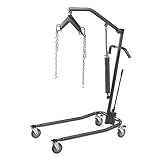 Drive Medical Hydraulic Patient Lift
A full lift is what makes one person able to manage a transfer alone. It is the single purchase that most often delays a move into residential care.
Check price on Amazon → EZ-ACCESS Singlefold Wheelchair Ramp, 6 ft
Folds like a suitcase and carries in a car boot, so the same ramp handles the front step at home and the kerb at an appointment.
Check price on Amazon → Drive Medical Nitro Rollator with Seat
The seat matters more than the wheels. Being able to stop and rest is what decides whether someone still goes out at all.
Check price on Amazon → Vive Stand Assist Rail for Couch or Chair
Getting out of a low sofa is where most falls at home start. This is the cheapest thing on the list and often the first one needed.
Check price on Amazon →As an Amazon Associate we earn from qualifying purchases, at no extra cost to you. Researched guidance, not medical advice. Prices change, so check before buying.
Why Sleep Changes in Dementia
Brain Changes
- Damage to the areas that regulate sleep-wake cycles
- Reduced melatonin production
- Confusion about time of day
- Inability to recognize nighttime cues
Physical Factors
- Pain that's worse at rest
- Urinary issues requiring frequent bathroom trips
- Sleep apnea (common and often undiagnosed)
- Medication side effects
- Hunger or thirst
Environmental Factors
- Too much daytime sleep or inactivity
- Not enough light exposure during the day
- Too much caffeine or sugar
- Room too hot, cold, or noisy
- Unfamiliar surroundings
Managing Sundowning
Morning Routine
- Get them into bright light early, natural sunlight is best
- Physical activity in the morning
- Regular wake time every day
- Limit caffeine to mornings only
Afternoon Adjustments
- Limit naps to 30 minutes before 2 PM
- Avoid overwhelming activities late in the day
- Turn on lights before it gets dark
- Have a small late-afternoon snack (blood sugar can trigger agitation)
Evening Calm
- Reduce noise and activity
- Close curtains to block confusing shadows
- Play familiar, calming music
- Avoid arguing or correcting, distract instead
- Try a calming activity: folding towels, looking at photos
Keep a log of when sundowning happens and what preceded it. You may find patterns: certain visitors, TV shows, foods, or times that consistently trigger episodes. Knowing triggers helps you prevent them.
Improving Nighttime Sleep
Daytime Strategies
✓ Light Exposure
- 30+ minutes of bright light in the morning
- Go outside daily if possible
- Consider a light therapy box (10,000 lux)
- Keep rooms bright during the day
✓ Physical Activity
- Daily movement improves sleep quality
- Walking, chair exercises, or stretching
- Best done earlier in the day
- Even 15-20 minutes helps
✓ Limit Daytime Sleep
- Brief naps only (20-30 minutes)
- No naps after mid-afternoon
- Keep them engaged during the day
- A tired person sleeps better at night
Evening Routine
✓ Consistent Bedtime Ritual
- Same activities in the same order every night
- Wash up, change clothes, brush teeth
- Dim lights 1-2 hours before bed
- Calm activities: reading aloud, gentle music
- No screens (TV can be stimulating)
✗ Avoid These Before Bed
- Caffeine after noon
- Large meals or lots of fluids
- Alcohol (disrupts sleep quality)
- Stimulating activities or arguments
- Vigorous exercise
Bedroom Environment
- Temperature: Cool room (65-68°F) promotes sleep
- Darkness: Dark for sleeping, but use nightlights for safety
- Quiet: Reduce noise; consider white noise machine
- Comfort: Appropriate bedding, comfortable mattress
- Familiarity: Keep their bedroom arrangement consistent
Managing Nighttime Wandering
Nighttime wandering can be dangerous. Falls, going outside, and disorientation are serious risks. Address safety before trying to fix the sleep problem.
Safety Measures
- Door alarms: Chime when doors open
- Motion sensors: Alert you when they get up
- Baby monitor: Hear if they're moving around
- Bed sensor: Alarm when weight leaves the bed
- GPS tracker: If they do get out, you can find them
- Secure locks: That require two actions to open
- Nightlights: In bedroom, hallway, and bathroom
Reduce Wandering Triggers
- Ensure they use the bathroom before bed
- Check for pain or discomfort
- Make sure they're not too hot or cold
- Consider if medications could be causing wakefulness
- Put a commode near the bed if needed
If They Get Up
- Approach calmly and quietly
- Ask if they need something (bathroom, water, comfort)
- Don't argue about what time it is
- Gently guide them back to bed
- Try a snack or warm (decaf) drink
- Sit with them briefly until they're calm
When You Can't Get Sleep
Survival Strategies for Caregivers
- Sleep in shifts: If you have a partner or family member, take turns
- Hire overnight help: Even once or twice a week helps
- Respite care: Occasional overnight stays at a facility
- Sleep when they sleep: Nap during their daytime naps
- Set up safe spaces: So you can rest even if they're awake
Falling asleep while driving, making medication errors, crying frequently, snapping at your parent, or feeling like you can't go on are all signs you need help NOW. Sleep deprivation is a medical emergency for caregivers.
Medications for Sleep
Medications for dementia sleep problems are complicated. Many common sleep aids can make dementia worse or cause dangerous side effects.
Generally Avoided
- Benadryl (diphenhydramine): Worsens confusion
- Ambien and similar: Increase fall and confusion risk
- Benzodiazepines: Worsen cognition, increase falls
- Over-the-counter sleep aids: Most contain anticholinergics
Sometimes Used (With Caution)
- Melatonin: Low doses may help with sleep timing
- Trazodone: Often used for dementia sleep problems
- Mirtazapine: Antidepressant with sedating properties
Never give sleep medications without medical guidance. What works for people without dementia can be dangerous for people with dementia. The doctor can weigh risks and benefits for your parent's specific situation.
When to Get Medical Help
See the Doctor If:
- Sleep problems started suddenly
- They're having hallucinations at night
- They stop breathing during sleep (possible sleep apnea)
- They seem to be in pain
- They're frequently falling at night
- Current strategies aren't working
- You're too exhausted to continue
What the Doctor May Check
- Urinary tract infection (common cause of behavior changes)
- Medication interactions or timing
- Pain that's not being expressed verbally
- Sleep apnea
- Depression (can cause sleep changes)
- Other medical conditions
Day-Night Reversal Recovery
If your parent is sleeping all day and awake all night, you'll need to gradually shift their schedule. This takes time.
Week-by-Week Approach
- Week 1: Don't let them sleep past 8 AM. Bright light exposure all morning.
- Week 2: Limit any naps to 30 minutes before 2 PM.
- Week 3: Start a consistent bedtime routine at 9 PM.
- Week 4: Gradually push bedtime earlier if needed.
Reversing a sleep cycle can take weeks. Progress won't be linear, expect good nights and bad nights. Consistency is more important than perfection. Even small improvements matter.
Memory Care and Sleep
If nighttime behaviors become unmanageable at home, memory care facilities have advantages:
- Staff available 24/7
- Secure environment for wanderers
- You can get a full night's sleep
- Professional management of sleep issues
Moving to memory care because of nighttime issues is not failure. It's often the most loving choice for everyone's safety and wellbeing.