Dementia Shadowing: When Your Parent Follows You Everywhere
They follow you to the bathroom. They stand outside the door if you close it. They panic if you leave their sight for 30 seconds. You can't cook, clean, or even think without them right there. This behavior is called "shadowing," and it's one of the most exhausting aspects of dementia caregiving.
Your parent isn't shadowing you to be annoying. They're experiencing profound fear and anxiety. You are their anchor in a confusing world. When you disappear from their sight, they may genuinely fear you're gone forever. This is the disease, not a choice.
Why Shadowing Happens
- Fear and anxiety: The world is confusing; you make sense to them
- Short-term memory loss: If they can't see you, they don't know where you are (or if you exist)
- Attachment: You've become their secure base, like a child with a parent
- Loss of independence: They can't do things alone, so they follow the person who helps
- Boredom: Nothing else to do, no ability to self-occupy
- Fear of being abandoned: Common in dementia, especially if they've experienced loss
The equipment that changes the most
Most of what caregiving costs is time. These four are the purchases that reliably buy some of it back, and they are the ones families tell us they wish they had bought sooner.
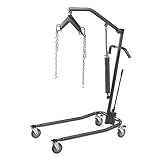 Drive Medical Hydraulic Patient Lift
A full lift is what makes one person able to manage a transfer alone. It is the single purchase that most often delays a move into residential care.
Check price on Amazon →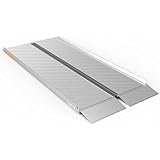 EZ-ACCESS Singlefold Wheelchair Ramp, 6 ft
Folds like a suitcase and carries in a car boot, so the same ramp handles the front step at home and the kerb at an appointment.
Check price on Amazon → Drive Medical Nitro Rollator with Seat
The seat matters more than the wheels. Being able to stop and rest is what decides whether someone still goes out at all.
Check price on Amazon → Vive Stand Assist Rail for Couch or Chair
Getting out of a low sofa is where most falls at home start. This is the cheapest thing on the list and often the first one needed.
Check price on Amazon →As an Amazon Associate we earn from qualifying purchases, at no extra cost to you. Researched guidance, not medical advice. Prices change, so check before buying.
Strategies That Help
Reassurance and Connection
- Give frequent verbal reassurance: "I'm right here. I'm not going anywhere."
- Touch helps, pat their hand, brief hugs
- Make eye contact often
- Use their name frequently
- Announce what you're doing: "I'm going to the kitchen to make coffee."
Keep Them Occupied
- Give them a "job" to do while you work nearby
- Folding towels, sorting items, matching socks
- Simple puzzles or activity books
- Looking through photo albums
- Music can be calming and distracting
- TV shows they enjoy (familiar ones work best)
Create Visual Connection
- Position them where they can see you working
- Keep doors open so they can see you
- Use baby monitors or video monitors so they can hear you
- A chair in the kitchen where they can watch you cook
- Leave bathroom door cracked if needed
Establish Routines
- Predictable schedules reduce anxiety
- Same activities at same times each day
- Verbal cues: "After breakfast, I always do dishes. You can sit here."
- Minimize surprises and changes
Getting Brief Breaks
You need moments alone. Here's how to create them:
For Bathroom Privacy
- Give them something to hold: "Hold this for me, I'll be right back"
- Position them with a view of the door: "See? I'm going right in there."
- Talk through the door: Keep up a verbal connection
- Use a timer: "When this beeps, I'll be back" (even if they don't understand)
- Leave door cracked if absolutely necessary for their anxiety
For Brief Tasks
- Settle them with an activity first
- Move quickly, do small chunks rather than long absences
- Return frequently with reassurance
- Have others distract them while you slip away
Every time you leave their sight, say "I'll be right back" in the same calm tone. Return when you said you would. Over time, this phrase may provide some reassurance, even if they don't fully understand.
Managing Your Frustration
Shadowing can feel suffocating. Your feelings are valid.
- It's okay to feel frustrated: This is incredibly hard
- Don't blame them: They're terrified, not malicious
- Get respite: You NEED time away, this is unsustainable 24/7
- Talk to others: Support groups understand this particular exhaustion
- Deep breathing: When you feel overwhelmed, pause and breathe
- Remember it may be a phase: Shadowing often changes as dementia progresses
Constant shadowing without breaks will burn you out. Get help, adult day care, respite care, family rotation. You cannot sustainably be someone's entire world. Your needs matter too.
When Shadowing Is Severe
Talk to the doctor if:
- Anxiety is extreme (screaming, physical distress when you leave)
- It's affecting your health or ability to function
- They're becoming aggressive when you try to leave
- The behavior suddenly got worse (could indicate illness)
The doctor may consider:
- Evaluation for treatable causes (pain, infection, medication side effects)
- Anti-anxiety medications (carefully, can have side effects in elderly)
- Referral to geriatric psychiatrist for behavioral management
Helpful Products
- Baby monitor or video monitor: So they can hear/see you
- Timer or clock: Visual cue for "when Mom comes back"
- Comfort items: Stuffed animals, dolls, weighted blankets
- Busy boards or fidget items: Something to occupy hands
- Music player with familiar songs: Calming background
A Perspective Shift
As frustrating as it is, shadowing often means:
- You are their safe person
- They trust you completely
- Your presence gives them comfort in a terrifying experience
This doesn't make it easier. But sometimes remembering that they're following you from love (even if it doesn't feel like it) can help soften the frustration.