Dementia Hiding and Hoarding: Understanding the Behavior
Your parent's keys vanish. Their wallet ends up in the freezer. You find 47 bars of soap hidden in their closet. These hiding and hoarding behaviors are frustrating but very common in dementia. Understanding why they happen can help you respond calmly and find creative solutions.
People with dementia aren't hiding things to annoy you. These behaviors usually stem from confusion, fear, or trying to maintain control over their environment. The items have meaning to them, even if we can't understand it.
Why People with Dementia Hide Things
Keeping Things "Safe"
They may feel anxious about losing important items. Hiding something feels like protecting it. They forget they hid it, then believe someone stole it.
Memory Confusion
They put something down and immediately forget. They may move objects while looking for something else. Items end up in strange places because they don't remember the usual spots.
Past Habits Returning
Someone who grew up during the Depression may hoard food. Someone who was robbed may hide valuables. Old coping mechanisms resurface as recent memory fades.
Looking for Something Specific
They might be searching for a person, home, or feeling from their past. Objects represent comfort. Collecting things can be an attempt to fill an emotional need.
Maintaining Control
Dementia takes away so much autonomy. Having "their things" in "their spot" provides a sense of control. Moving or organizing their items can trigger anxiety.
The equipment that changes the most
Most of what caregiving costs is time. These four are the purchases that reliably buy some of it back, and they are the ones families tell us they wish they had bought sooner.
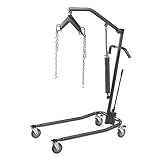 Drive Medical Hydraulic Patient Lift
A full lift is what makes one person able to manage a transfer alone. It is the single purchase that most often delays a move into residential care.
Check price on Amazon →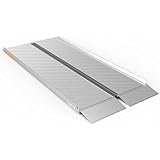 EZ-ACCESS Singlefold Wheelchair Ramp, 6 ft
Folds like a suitcase and carries in a car boot, so the same ramp handles the front step at home and the kerb at an appointment.
Check price on Amazon → Drive Medical Nitro Rollator with Seat
The seat matters more than the wheels. Being able to stop and rest is what decides whether someone still goes out at all.
Check price on Amazon → Vive Stand Assist Rail for Couch or Chair
Getting out of a low sofa is where most falls at home start. This is the cheapest thing on the list and often the first one needed.
Check price on Amazon →As an Amazon Associate we earn from qualifying purchases, at no extra cost to you. Researched guidance, not medical advice. Prices change, so check before buying.
Common Hiding Spots
When something goes missing, check these places first:
The Usual Suspects
- Under mattress or between mattress and box spring
- Inside shoes, boots, or slippers
- In coat pockets (check all pockets before laundry!)
- Behind furniture cushions
- Inside books or magazines
Kitchen Hiding Spots
- Freezer or refrigerator
- Inside containers (sugar jar, cookie tin)
- Under the sink
- Inside oven or microwave (check before using!)
- In trash can (check before emptying)
Bedroom Hiding Spots
- Inside dresser drawers (especially underwear drawer)
- Under the bed
- Inside pillow cases
- In jewelry boxes or decorative containers
- Behind pictures on walls
Other Places to Check
- Tissue boxes (empty or full)
- Plant pots
- Inside vases or decorative items
- Purses, bags, or briefcases
- In the car (glove box, under seats, trunk)
Always check the oven, microwave, and toaster before using them. People with dementia sometimes hide paper, cloth, or other flammable items in appliances. This is a serious fire risk.
How to Respond
✓ Do This
- Stay calm. Getting angry won't help and may increase hiding behavior
- Acknowledge feelings. "I can see you're worried about your wallet. Let's look together."
- Join the search. Don't just look for them, search together
- Use distraction. After searching, suggest a snack or activity
- Validate the concern. "Your ring is very special. I understand wanting to keep it safe."
✗ Don't Do This
- Don't argue. "You hid it yourself!" feels accusatory and creates conflict
- Don't interrogate. "Where did you put it?" They genuinely don't know
- Don't reorganize their space. This increases anxiety and hiding
- Don't throw away their collections. Even if it's 47 bars of soap
- Don't accuse them. They're not doing this on purpose
Prevention Strategies
Keep Duplicates
- Have multiple sets of keys, glasses, remotes
- Keep your copies in a secure place they can't access
- Designate one set as "theirs" to hide, you'll always have a backup
Reduce Important Items
- Use a single credit card instead of a full wallet
- Replace expensive jewelry with costume versions
- Keep only small amounts of cash available
- Store important documents elsewhere (your home, safe deposit box)
Create a "Hiding Spot"
- Give them a special box or drawer that's "theirs"
- Let them know this is a safe place for valuables
- Check this spot first when things go missing
- Some people return to the same spots repeatedly
Use Technology
- Tile or AirTag: Attach to frequently lost items (keys, wallet, remote)
- Key finder: Device that beeps when you clap or press a button
- GPS tracker: For items that leave the house
Most people develop favorite hiding spots. Keep a journal of where you find things. After a few weeks, you'll likely see patterns that make future searches much faster.
Managing Hoarding Behavior
Why They Hoard
- Anxiety about not having enough
- Forgetting they already have something
- Comfort from having "supplies"
- Inability to make decisions about what to keep
- Past experiences of scarcity
What Gets Hoarded
- Food (especially non-perishables)
- Toiletries (soap, toilet paper, tissues)
- Mail and newspapers
- Napkins, sugar packets, condiments
- Random objects (buttons, twist ties, rubber bands)
How to Manage It
✓ Helpful Approaches
- Rotate rather than remove. Slowly thin out collections without them noticing
- Provide a designated space. "This drawer is for your napkins"
- Remove excess gradually. Take a few items at a time, not everything at once
- Don't argue about quantity. "You're right, it's good to have soap"
- Address the underlying feeling. "Are you worried we'll run out? We won't."
When to Intervene
- Food hoarding creates pest or spoilage issues
- Collections block walkways or create fall hazards
- Items pose a fire risk
- Hoarding interferes with care (can't clean room, change sheets)
- They're taking things from others (in a facility)
The Accusation Problem
One of the hardest aspects is being accused of stealing. Your parent hides their wallet, forgets, and becomes convinced you took it.
How to Respond to Accusations
- Don't take it personally. This is the disease, not their true feelings
- Don't argue or defend. "I didn't take it" sounds defensive
- Redirect to searching. "That sounds upsetting. Let's look together."
- Validate the emotion. "I'd be upset too if my wallet was missing."
- Offer to help. "I'll help you keep it safe once we find it."
Being accused of stealing by your own parent is painful. Remember: their brain is creating false narratives to explain their confusion. The accusation isn't about you, it's about their fear and lost memories.
When It's Not Just Dementia
Talk to the Doctor If:
- Hiding behavior started suddenly
- They're eating hidden (possibly spoiled) food
- Hoarding is accompanied by extreme anxiety or paranoia
- They're hiding dangerous items (medications, sharp objects)
- The behavior is drastically interfering with daily life
Possible Causes to Rule Out
- Urinary tract infection (can cause sudden behavior changes)
- Medication side effects
- Depression or anxiety
- Delirium from illness
- Vision or hearing problems making them more anxious
Practical Tips Summary
- Check trash before emptying and pockets before washing clothes
- Check oven and microwave before every use
- Keep duplicates of essential items
- Use tracking devices on frequently lost items
- Learn their favorite hiding spots and check there first
- Don't reorganize their space, it increases anxiety
- Rotate out hoarded items gradually
- Don't argue about accusations, redirect and search together
- Keep important documents and valuables elsewhere
Dementia Care Guide
Comprehensive strategies for managing challenging dementia behaviors.
View Resources