Dementia False Accusations: When They Accuse You of Terrible Things
"You stole my money." "Someone is poisoning my food." "You're hiding my things." "You're not my real daughter." Being accused of terrible things by the person you're sacrificing everything to care for is devastating. This is one of the most painful aspects of dementia caregiving.
False accusations are a symptom of dementia, not a reflection of how your parent truly feels about you. Their damaged brain is trying to make sense of confusing experiences. They're not trying to hurt you, they genuinely believe what they're saying.
Common False Accusations
"You're Stealing My Money/Things"
What's happening: They can't find something (because they hid it or forgot where it is), so their brain creates an explanation: theft.
Why you: You're the one who's around. You handle their affairs. The brain needs a villain.
"Someone Is Poisoning My Food"
What's happening: Food may taste different (medications, loss of taste), or they feel sick and need an explanation.
Why you: You prepare the food. You give medications. To their brain, it adds up.
"You're Not My Real [Child/Spouse]"
What's happening: Capgras syndrome, they recognize faces but not emotional connection. You look right but feel wrong.
Why you: The brain's facial recognition and emotional recognition are in different areas. One is damaged.
"You're Having an Affair" (to spouse)
What's happening: Paranoia, fear of abandonment, seeing spouse doing unfamiliar things.
Why you: The spouse is acting differently (as caregiver), coming and going, talking to strangers (doctors, aides).
"You're Trying to Put Me Away"
What's happening: Fear of losing independence, being institutionalized, being abandoned.
Why you: You're the one making decisions, talking about care, having private conversations.
The equipment that changes the most
Most of what caregiving costs is time. These four are the purchases that reliably buy some of it back, and they are the ones families tell us they wish they had bought sooner.
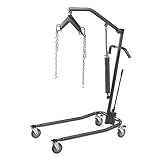 Drive Medical Hydraulic Patient Lift
A full lift is what makes one person able to manage a transfer alone. It is the single purchase that most often delays a move into residential care.
Check price on Amazon →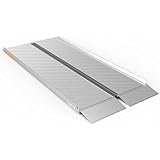 EZ-ACCESS Singlefold Wheelchair Ramp, 6 ft
Folds like a suitcase and carries in a car boot, so the same ramp handles the front step at home and the kerb at an appointment.
Check price on Amazon → Drive Medical Nitro Rollator with Seat
The seat matters more than the wheels. Being able to stop and rest is what decides whether someone still goes out at all.
Check price on Amazon → Vive Stand Assist Rail for Couch or Chair
Getting out of a low sofa is where most falls at home start. This is the cheapest thing on the list and often the first one needed.
Check price on Amazon →As an Amazon Associate we earn from qualifying purchases, at no extra cost to you. Researched guidance, not medical advice. Prices change, so check before buying.
Why This Happens
- Memory loss: They hide something, forget they did, and need an explanation
- Confusion: Can't make sense of what's happening, so create a story
- Fear: The world feels threatening; accusations make sense of that threat
- Loss of control: Someone IS making decisions for them, their brain interprets this negatively
- Brain damage: Specific areas affecting trust, recognition, reasoning
- Medications: Some medications can increase paranoia
- Infection or illness: UTIs are notorious for causing paranoid thinking
How to Respond
- Stay calm: Your upset will escalate theirs
- Don't argue or try to prove you're innocent: Logic doesn't work
- Validate the emotion: "That sounds really upsetting. I'd be upset too."
- Redirect: "Let's look for your wallet together"
- Reassure: "I want to help you. I love you."
- Help them "find" the item: Even if you know where it is, let them "discover" it
- Defend yourself vigorously: "I would NEVER steal from you!" sounds defensive
- Use logic: "I already showed you the bank statement" won't help
- Take it personally: This is the disease, not them
- Get angry or argue: It escalates the situation
- Shame them: "How could you think that of me?"
Sample Responses
Accusation: "You took my purse!"
Instead of: "I didn't take your purse! I've been in the kitchen!"
Try: "Oh no, your purse is missing? Let's look for it together. Where did you last have it?"
Accusation: "You're poisoning my food!"
Instead of: "That's crazy! I would never poison you!"
Try: "I can see you're worried about the food. Would you feel better if we made something together?"
Sometimes the kindest thing is to enter their reality rather than forcing them into yours. If they think someone stole their wallet, help search. If they're worried, address the worry. You can't argue them out of delusions, but you can help them feel heard and safe.
Protecting Yourself Emotionally
This Is Not About You
- Accusations happen to most dementia caregivers
- It's not a reflection of your care or your relationship
- They would be horrified if they understood what they're saying
- The person saying these things is not the same person you knew
Self-Care Is Essential
- Talk to others who understand (support groups)
- Consider therapy to process the pain
- Get breaks, constant accusations wear you down
- Remind yourself daily: "This is the disease"
If your parent tells doctors, social workers, or others about "abuse," take it seriously but don't panic. Explain the dementia. Document your care. Healthcare workers familiar with dementia will understand. If needed, a geriatric assessment can help clarify the situation.
Practical Strategies
For Stealing Accusations
- Keep duplicates of commonly "stolen" items (glasses, wallet, keys)
- Learn their hiding spots and check there first
- Consider a GPS tracker for frequently lost items
- Simplify environment, fewer things to lose
- Have a designated spot for important items
For Food/Medication Fears
- Let them see food preparation
- Eat with them from the same pot
- Package medications in original pharmacy bottles with their name
- Have pharmacist explain medications directly to them
When to Get Medical Help
- Sudden onset of paranoid accusations (could be UTI or other infection)
- Accusations accompanied by aggression or violence
- Severe distress that won't resolve
- If you're concerned a medication may be contributing
- If accusations are constant and severely affecting your wellbeing
The doctor may consider:
- Testing for treatable causes (UTI, medication effects)
- Medication review
- Antipsychotic medications (carefully, with risks understood)
- Referral to geriatric psychiatry
Underneath the accusations, your parent still loves you. The disease has created a layer of fear and confusion that distorts how they see the world. When they accuse you, they're not rejecting you, they're trying to make sense of a terrifying existence. The love is still there, even if it's buried.
Burnout Assessment
False accusations are emotionally devastating. Check in on yourself.
Take Assessment