Paranoia in Elderly Parents: Causes and How to Respond
"Someone is stealing from me." "The neighbors are spying on me." "You're trying to poison me." When your once-reasonable parent starts making suspicious accusations, it's alarming and hurtful. Understanding why paranoia happens, and how to respond, can help you both.
When a parent with dementia or other condition accuses you of stealing or plotting against them, they genuinely believe it. Their brain is creating a false reality. The accusations aren't about you, they're symptoms of disease.
Why Elderly People Become Paranoid
Dementia
Paranoid delusions are common in Alzheimer's and other dementias. Memory loss creates gaps that the brain fills with explanations, if they can't find their wallet, someone must have stolen it. The brain creates a narrative to explain what they can't remember.
Key sign: Paranoia that didn't exist before cognitive decline began.
Medication Side Effects
Many medications can cause paranoia, confusion, or hallucinations in elderly people, including:
- Steroids (prednisone)
- Parkinson's medications
- Sleep medications
- Pain medications (especially opioids)
- Anticholinergic drugs
Urinary Tract Infection (UTI)
UTIs can cause sudden, dramatic mental changes in elderly people, including paranoia, confusion, and hallucinations. This is often the first thing to rule out.
Key sign: Sudden onset of paranoia in someone who was previously clear-headed.
Delirium
Sudden confusion and paranoia can be caused by infection, dehydration, hospitalization, surgery, or medication changes. Delirium is a medical emergency.
Key sign: Rapid onset (hours to days), fluctuating symptoms, worse at night.
Sensory Loss
Poor vision and hearing can contribute to paranoia. If they can't hear conversations clearly, they may assume people are talking about them. If they can't see well, shadows become threatening.
Key sign: Paranoia improves with better glasses or hearing aids.
Social Isolation
Loneliness and isolation can lead to suspicion and paranoia. Without regular reality checks from social interaction, fears can grow unchecked.
Key sign: Paranoia in someone who lives alone with little social contact.
Mental Illness
Late-onset schizophrenia or psychotic depression can cause paranoid delusions. These conditions can appear for the first time in old age.
Key sign: Elaborate, fixed delusions; may include hallucinations.
New-onset paranoia warrants a medical evaluation. UTIs, medication effects, and delirium are treatable. Don't assume it's "just dementia" without checking.
The equipment that changes the most
Most of what caregiving costs is time. These four are the purchases that reliably buy some of it back, and they are the ones families tell us they wish they had bought sooner.
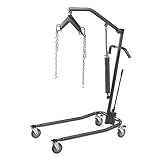 Drive Medical Hydraulic Patient Lift
A full lift is what makes one person able to manage a transfer alone. It is the single purchase that most often delays a move into residential care.
Check price on Amazon →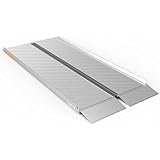 EZ-ACCESS Singlefold Wheelchair Ramp, 6 ft
Folds like a suitcase and carries in a car boot, so the same ramp handles the front step at home and the kerb at an appointment.
Check price on Amazon → Drive Medical Nitro Rollator with Seat
The seat matters more than the wheels. Being able to stop and rest is what decides whether someone still goes out at all.
Check price on Amazon → Vive Stand Assist Rail for Couch or Chair
Getting out of a low sofa is where most falls at home start. This is the cheapest thing on the list and often the first one needed.
Check price on Amazon →As an Amazon Associate we earn from qualifying purchases, at no extra cost to you. Researched guidance, not medical advice. Prices change, so check before buying.
Common Paranoid Beliefs
- "Someone is stealing from me" (often misplaced items)
- "The caregiver is taking my money"
- "People are coming into my house"
- "My spouse is having an affair"
- "Someone is trying to poison my food"
- "My family is plotting against me"
- "The neighbors are spying"
- "Someone is trying to put me away"
How to Respond
Do These Things
- Stay calm: Your anxiety will increase theirs
- Validate feelings: "That sounds scary" or "I understand you're worried"
- Offer reassurance: "You're safe. I'm here to help."
- Redirect: Change the subject to something pleasant
- Help them look: For "stolen" items, finding them provides relief
- Use simple explanations: "The bank moved your money to keep it safer"
- Create backup items: Extra glasses, wallet, keys for frequent "lost" items
- Address underlying needs: Fear, loneliness, loss of control
Don't Do These Things
- Don't argue or try to prove them wrong: You won't win, and you'll both get upset
- Don't take it personally: Remember this is the disease talking
- Don't use logic: Their brain can't process logical arguments
- Don't say "you're wrong" or "that's not true"
- Don't get defensive: Even if they accuse you directly
- Don't laugh or dismiss: Their fear is real to them
- Don't involve them in complex explanations
Sample Responses
"Someone stole my wallet!"
Instead of: "No one stole it. You probably misplaced it like always."
Try: "That's upsetting. Let's look together. I'll help you find it." (Then subtly guide them to where it likely is.)
"You're trying to poison me!"
Instead of: "Don't be ridiculous. Why would I poison you?"
Try: "I would never hurt you. What if I take the first bite to show you it's safe?" Or prepare food together.
"The nurse is stealing my things!"
Instead of: "The nurse would never do that. You're being paranoid."
Try: "I understand you're worried about your things. Let's put your valuables somewhere safe together."
Prevention Strategies
- Reduce clutter: Fewer places to "lose" things
- Establish routines: Same place for keys, wallet, glasses
- Improve lighting: Shadows can seem threatening
- Address sensory issues: Updated glasses and hearing aids
- Maintain social connection: Regular visits, calls, activities
- Keep familiar items nearby: Photos, familiar objects provide comfort
- Limit TV news: Disturbing news can fuel anxiety
When to Seek Help
- New or sudden paranoia: Medical evaluation needed
- Paranoia causing significant distress
- Refusing food or medication: Due to suspicion
- Risk of harm: To self or others
- Paranoia interfering with necessary care
- You can't manage: Caregiver at breaking point
Treatment Options
Depending on the cause:
- Treat underlying cause: UTI, medication change, dehydration
- Medication adjustment: Stop or change offending medications
- Antipsychotic medications: Used carefully in elderly due to risks, but sometimes necessary
- Antidepressants: If depression is contributing
- Environmental modifications: Better lighting, familiar surroundings
- Behavioral strategies: Validation, redirection, reassurance
Antipsychotic medications carry a "black box" warning for increased death risk in elderly dementia patients. They should be used only when non-drug approaches fail and the behavior causes significant distress or danger. Discuss risks and benefits carefully with the doctor.
Caring for Yourself
Being accused by someone you love and care for is emotionally exhausting:
- Remember: It's the disease, not your parent's true feelings
- Take breaks when you need them
- Talk to others who understand (support groups)
- Consider counseling for yourself
- Don't try to handle it alone
Caregiver Burnout Assessment
Dealing with paranoid behavior is exhausting. Check in on yourself.
Take Assessment