Dealing with a Difficult Elderly Parent
You're doing everything you can for your parent, and they're critical, controlling, ungrateful, or emotionally manipulative. Maybe they've always been this way. Maybe aging has made it worse. Either way, caregiving for a difficult parent is exhausting in ways others don't understand.
This guide offers practical strategies for preserving your sanity while still providing care.
You cannot change your parent's personality. You can only change how you respond to it. This is liberating once you truly accept it.
Common Difficult Behaviors
The Critic
Behavior: Nothing you do is right. Constant complaints, comparisons, pointing out flaws.
Strategy: Stop trying to earn approval, you won't get it. Do what's needed, let criticism roll off. "I hear you" is a complete response.
The Controller
Behavior: Must have things their way. Micromanages everything. Doesn't respect your time or choices.
Strategy: Give choices within limits you set. "Would you prefer X or Y?" Not "What do you want?" You control the options.
The Guilt-Tripper
Behavior: "After everything I've done for you..." Makes you feel guilty for having your own life. Plays the martyr.
Strategy: Recognize guilt as a manipulation tactic. You can care without sacrificing yourself. "I love you AND I have other responsibilities."
The Victim
Behavior: Everything is someone else's fault. Constant complaining. Nothing good ever happens to them.
Strategy: Don't get sucked into problem-solving every complaint. Empathize briefly, then redirect. "That sounds frustrating. Let's focus on what we can do."
The Angry One
Behavior: Quick to anger, harsh words, explosive reactions. May be verbally abusive.
Strategy: Don't engage when they're angry. "I can see you're upset. Let's talk when we're both calm." Leave the room if needed.
The Narcissist
Behavior: Everything is about them. No empathy for your needs. Expects to be the center of attention.
Strategy: Accept you won't get emotional support from them. Get your needs met elsewhere. Set firm boundaries.
As an Amazon Associate, we earn from qualifying purchases.
Recommended Caregiver Support Resources
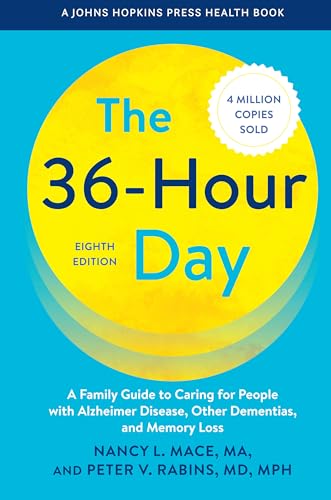 The 36-Hour Day Strategies for managing difficult behaviors
 Get It Together: Organize Your Records Document care plans and family agreements
 Caregiver Journal Process emotions and track caregiving patterns
 Medical Alert System Peace of mind for safety concerns
Understanding Why
Difficult behavior often has roots:
It Might Be Medical
- Dementia: Personality changes, suspicion, aggression can be symptoms
- UTI: Can cause sudden confusion and behavior changes
- Depression: May present as irritability in elderly
- Pain: Chronic pain makes people irritable
- Medication side effects: Some drugs affect mood and behavior
If behavior is NEW, get a medical evaluation.
It Might Be Fear
- Fear of losing control
- Fear of dying
- Fear of being a burden
- Fear of losing independence
Fear often presents as anger or control.
It Might Be Lifelong Patterns
Some people have always been difficult. Aging doesn't create a new personality, it often intensifies existing traits. A critical person becomes more critical. A controlling person becomes more controlling.
Your parent's difficult behavior is not because of something you did or didn't do. It's not because you're not trying hard enough. Their behavior belongs to them, not you.
Strategies That Help
1. Set Firm Boundaries
- Decide what you will and won't accept
- Communicate boundaries clearly: "I won't stay if you yell at me"
- Follow through every time
- Boundaries aren't mean, they're necessary
2. Don't JADE
Don't Justify, Argue, Defend, or Explain. Keep responses short:
- "That's my decision."
- "I understand you feel that way."
- "We'll have to agree to disagree."
- "I'm not discussing this."
3. Pick Your Battles
- Not everything is worth fighting about
- Let small things go
- Focus energy on what truly matters
- Ask: "Will this matter in a year?"
4. Limit Contact If Needed
- You can provide care without constant contact
- Hire help for tasks that trigger conflict
- Set visiting schedules instead of open-ended time
- Take breaks when you need them
5. Get Support
- Therapy, especially helpful for processing difficult relationships
- Support groups, others understand
- Trusted friends or family who validate your experience
- Online forums for caregivers
Protecting Yourself
Emotional Protection
- You are not required to accept abuse
- Their opinion of you is not your worth
- You can love someone and not like how they treat you
- Caring for them doesn't mean sacrificing your mental health
Physical Protection
- If there's physical violence, remove yourself immediately
- Don't provide hands-on care if it puts you at risk
- Hire professionals for volatile situations
Practical Protection
- Document everything (in case of family disputes)
- Keep your finances separate
- Don't co-sign or become jointly liable for anything
- Have other caregivers involved (witnesses, shared responsibility)
When You've Had Enough
You are allowed to:
- Step back from primary caregiving
- Hire help even if they refuse
- Place them in a facility even if they protest
- Set limits on visits
- Protect yourself over their preferences
Providing care doesn't mean accepting abuse.
"You can love your parent and still recognize they were not a good parent. You can care for them and still grieve the parent you wished you had. Both things can be true."