Depression in Elderly Parents: Signs & How to Help
Your parent isn't themself lately. They've lost interest in activities they used to enjoy. They seem tired all the time. They've stopped calling friends. You wonder: is this just aging, or is something wrong?
Depression is common in older adults but often goes unrecognized and untreated. It's not a normal part of aging, and it's highly treatable.
If your parent talks about suicide, wanting to die, or being a burden, take it seriously. Call 988 (Suicide & Crisis Lifeline) or take them to the emergency room. Older adults have the highest suicide rate of any age group.
Why Depression in Elderly Is Often Missed
- Different symptoms: Elderly depression often shows up as physical complaints, not sadness
- "Normal aging" assumption: We expect older people to slow down and withdraw
- Reluctance to discuss: Many older adults see mental health issues as weakness or stigma
- Confused with dementia: Memory and concentration problems overlap
- Multiple health issues: Depression symptoms blamed on other conditions
- Isolation: No one sees changes if they live alone
Depression can cause memory problems and confusion that look like dementia ("pseudodementia"). The key difference: with depression, people are distressed by their memory problems. With dementia, they often aren't aware of them. Depression is treatable, and cognitive symptoms often improve with treatment.
The equipment that changes the most
Most of what caregiving costs is time. These four are the purchases that reliably buy some of it back, and they are the ones families tell us they wish they had bought sooner.
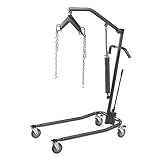 Drive Medical Hydraulic Patient Lift
A full lift is what makes one person able to manage a transfer alone. It is the single purchase that most often delays a move into residential care.
Check price on Amazon →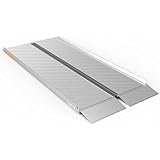 EZ-ACCESS Singlefold Wheelchair Ramp, 6 ft
Folds like a suitcase and carries in a car boot, so the same ramp handles the front step at home and the kerb at an appointment.
Check price on Amazon → Drive Medical Nitro Rollator with Seat
The seat matters more than the wheels. Being able to stop and rest is what decides whether someone still goes out at all.
Check price on Amazon → Vive Stand Assist Rail for Couch or Chair
Getting out of a low sofa is where most falls at home start. This is the cheapest thing on the list and often the first one needed.
Check price on Amazon →As an Amazon Associate we earn from qualifying purchases, at no extra cost to you. Researched guidance, not medical advice. Prices change, so check before buying.
Signs of Depression in Elderly Parents
Depression may look different in older adults than younger people:
Mood Changes
Persistent sadness, emptiness, or anxiety. Irritability and mood swings. Loss of interest in activities they used to enjoy.
Physical Symptoms
Fatigue and lack of energy. Sleep problems (too much or too little). Unexplained aches and pains. Changes in appetite or weight.
Cognitive Changes
Difficulty concentrating. Memory problems. Trouble making decisions. Confusion or feeling "foggy."
Behavioral Changes
Social withdrawal. Neglecting personal care. Stopping medications or doctor visits. Increased alcohol use.
Negative Thinking
Feelings of worthlessness or guilt. Believing they're a burden. Hopelessness about the future. Dwelling on death.
Loss of Interest
Giving up hobbies. Avoiding friends and family. Not caring about things that used to matter. General apathy.
Common Causes and Triggers
Life Changes
- Loss of spouse, friends, or family members
- Retirement and loss of purpose
- Moving from home to assisted living
- Loss of independence (driving, mobility)
- Social isolation and loneliness
Health Factors
- Chronic illness and pain
- Disability and reduced functioning
- Medication side effects (many drugs can cause depression)
- Dementia (depression often co-occurs)
- Stroke, Parkinson's, heart disease
- Hormonal changes
Other Risk Factors
- History of depression
- Family history of depression
- Caregiving stress
- Financial difficulties
- Lack of social support
Getting Help
Start with Their Doctor
The first step is a medical evaluation to:
- Rule out medical causes (thyroid, vitamin deficiencies, etc.)
- Review medications that may cause depression
- Screen for cognitive impairment
- Diagnose depression and recommend treatment
Treatment Options
Therapy (Talk Therapy)
Cognitive behavioral therapy (CBT) is highly effective for elderly depression. It helps change negative thinking patterns. Problem-solving therapy helps with practical life challenges. Even short-term therapy can make a significant difference.
Medication
Antidepressants work well in older adults, though they may take 4-8 weeks to show full effect. Doctors choose carefully based on other medications and health conditions. Side effects should be monitored, especially early on.
Combination Approach
Research shows therapy plus medication often works better than either alone, especially for moderate to severe depression.
Other Options
Electroconvulsive therapy (ECT) is very effective for severe depression, especially when medications don't work. Despite its reputation, modern ECT is safe and often the best option for severely depressed elderly patients.
How You Can Help
Have the Conversation
- Express concern: "I've noticed you seem down lately. I'm worried about you."
- Listen without judgment: Let them talk without trying to fix everything
- Validate their feelings: "That sounds really hard. I understand."
- Encourage professional help: "Would you be willing to talk to your doctor about this?"
- Offer to help: "I can come with you to the appointment if you'd like."
Day-to-Day Support
- Stay connected: Regular calls, visits, video chats
- Encourage activity: Gentle exercise, walks, outings
- Promote social connection: Senior centers, clubs, religious groups
- Help with practical tasks: Transportation, meals, errands
- Be patient: Recovery takes time
- Watch for medication compliance: Help them take antidepressants consistently
What NOT to Say
- "Just cheer up" or "Think positive"
- "You have so much to be grateful for"
- "Other people have it worse"
- "It's just part of getting old"
- "Snap out of it"
Depression is an illness, not a choice or character flaw. These statements minimize their experience and can make them feel worse.
Resources
- 988 Suicide & Crisis Lifeline: Call or text 988 for crisis support
- SAMHSA National Helpline: 1-800-662-4357 for treatment referrals
- National Alliance on Mental Illness (NAMI): nami.org
- Psychology Today: Find a therapist directory
- Geriatric psychiatrists: Specialize in older adult mental health
Care Coordination Binder
Track symptoms, medications, and appointments to share with healthcare providers.
Get the Binder