Alzheimer's vs Dementia: What's the Difference?
Your parent's doctor mentioned "dementia" or "Alzheimer's" and you're confused about what it means. Are they the same thing? Does it matter which one it is?
The short answer: Dementia is the umbrella term. Alzheimer's is the most common type underneath it. Understanding the difference matters for treatment, planning, and what to expect.
Dementia is a syndrome (a group of symptoms) that affects memory, thinking, and social abilities severely enough to interfere with daily life. Alzheimer's disease is the most common cause of dementia, accounting for 60-80% of cases.
Think of It Like This
Dementia is like "fever", it describes symptoms, not a specific disease. Just as a fever can be caused by the flu, an infection, or many other conditions, dementia can be caused by Alzheimer's, vascular problems, Lewy bodies, and more.
| Dementia | Alzheimer's Disease |
|---|---|
| A syndrome (group of symptoms) | A specific brain disease |
| Describes what's happening | Explains why it's happening |
| Has many possible causes | Is one cause of dementia |
| Some causes are treatable/reversible | Currently not reversible |
| Diagnosis describes the symptoms | Diagnosis identifies the disease |
The equipment that changes the most
Most of what caregiving costs is time. These four are the purchases that reliably buy some of it back, and they are the ones families tell us they wish they had bought sooner.
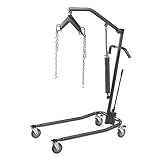 Drive Medical Hydraulic Patient Lift
A full lift is what makes one person able to manage a transfer alone. It is the single purchase that most often delays a move into residential care.
Check price on Amazon →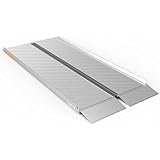 EZ-ACCESS Singlefold Wheelchair Ramp, 6 ft
Folds like a suitcase and carries in a car boot, so the same ramp handles the front step at home and the kerb at an appointment.
Check price on Amazon → Drive Medical Nitro Rollator with Seat
The seat matters more than the wheels. Being able to stop and rest is what decides whether someone still goes out at all.
Check price on Amazon → Vive Stand Assist Rail for Couch or Chair
Getting out of a low sofa is where most falls at home start. This is the cheapest thing on the list and often the first one needed.
Check price on Amazon →As an Amazon Associate we earn from qualifying purchases, at no extra cost to you. Researched guidance, not medical advice. Prices change, so check before buying.
Types of Dementia
There are several types of dementia, each with different causes, symptoms, and progression:
Alzheimer's Disease
Caused by abnormal protein deposits (plaques and tangles) in the brain. Typically starts with memory problems, especially recent memories. Progresses gradually over 4-8 years on average.
Key signs: Forgetting recent conversations, repeating questions, getting lost in familiar places, difficulty with planning and problem-solving.
Vascular Dementia
Caused by reduced blood flow to the brain, often after strokes or small vessel disease. May progress in steps rather than gradually. Often occurs alongside Alzheimer's (mixed dementia).
Key signs: Difficulty with planning and organization, slowed thinking, mood changes. Memory may be less affected early on than in Alzheimer's.
Lewy Body Dementia
Caused by abnormal protein deposits called Lewy bodies. Closely related to Parkinson's disease. Symptoms can fluctuate significantly day to day.
Key signs: Visual hallucinations, movement problems (shuffling, tremors), acting out dreams during sleep, fluctuating alertness.
Frontotemporal Dementia
Affects the frontal and temporal lobes of the brain. Often occurs at younger ages (40s-60s). Personality and behavior changes are usually the first symptoms.
Key signs: Dramatic personality changes, socially inappropriate behavior, loss of empathy, language problems. Memory often preserved early on.
Mixed Dementia
Having more than one type of dementia at once, most commonly Alzheimer's plus vascular dementia. Symptoms may vary depending on which types are present.
Why the Distinction Matters
For Treatment
- Different medications: Alzheimer's medications (like donepezil) may help some types but not others. Lewy body dementia requires different approaches and caution with certain medications.
- Treating underlying causes: Vascular dementia may improve with blood pressure management and stroke prevention. Some dementia-like symptoms are caused by treatable conditions.
- Symptom management: Each type has different challenging behaviors that may require different strategies.
For Planning
- Progression patterns differ: Alzheimer's typically progresses gradually. Vascular dementia may stay stable then decline in steps. Frontotemporal dementia often progresses faster.
- Life expectancy varies: Average survival after diagnosis ranges from 3-10+ years depending on the type and other factors.
- Care needs differ: Lewy body dementia may need fall precautions earlier. Frontotemporal dementia may need behavioral management strategies sooner.
Reversible Causes of Dementia-Like Symptoms
Some conditions mimic dementia but can be treated or reversed. This is why proper diagnosis is crucial:
- Medication side effects: Many drugs can cause confusion in older adults
- Thyroid problems: Both overactive and underactive thyroid
- Vitamin deficiencies: Especially B12 and folate
- Depression: Can cause "pseudodementia" with memory and concentration problems
- Urinary tract infections: Common cause of sudden confusion in elderly
- Normal pressure hydrocephalus: Fluid buildup in the brain
- Subdural hematoma: Bleeding in the brain, sometimes from minor falls
- Dehydration and malnutrition
A thorough evaluation should include cognitive testing, brain imaging (MRI or CT), blood tests, and medical history review. Consider seeing a neurologist or geriatrician who specializes in dementia. An accurate diagnosis leads to better treatment and care planning.
What to Do After a Diagnosis
- Ask about the specific type: "Is this Alzheimer's or another type of dementia?"
- Understand the stage: Early, moderate, or advanced
- Discuss treatment options: Medications, therapies, lifestyle changes
- Plan for the future: Legal documents, care preferences, finances while your parent can still participate
- Connect with resources: Alzheimer's Association, support groups, care planning
- Take care of yourself: Caregiver support is essential from the start
Dementia Care Guide
Get our comprehensive guide to caring for a parent with dementia, from early stages through advanced care.
Read the GuideRelated Resources
- Dementia Stages: What to Expect
- Sundowning in Dementia
- Memory Care vs Nursing Home
- When Is It Time for Hospice?
Frequently Asked Questions
Is Alzheimer's the same as dementia?
No, dementia is an umbrella term for symptoms affecting memory, thinking, and social abilities severely enough to interfere with daily life. Alzheimer's disease is the most common cause of dementia (60-80% of cases), but dementia can also be caused by vascular disease, Lewy body disease, frontotemporal disorders, and other conditions. All Alzheimer's is dementia, but not all dementia is Alzheimer's.
What are early warning signs of Alzheimer's vs other dementia?
Early Alzheimer's typically starts with memory loss, especially forgetting recently learned information. Vascular dementia may begin with impaired judgment or planning ability. Lewy body dementia often starts with visual hallucinations and movement problems. Frontotemporal dementia typically begins with personality changes or language difficulties. A proper diagnosis requires medical evaluation.
Does dementia always get worse?
Most types of dementia are progressive and will worsen over time, though the rate varies greatly between individuals and dementia types. Some causes of dementia-like symptoms are reversible (vitamin deficiencies, thyroid problems, medication side effects, depression). Early diagnosis is crucial because some treatments can slow progression, and reversible causes can be treated.
How long can someone live with Alzheimer's or dementia?
Life expectancy after Alzheimer's diagnosis averages 4-8 years but can range from 3-20+ years depending on age at diagnosis and overall health. Vascular dementia may have shorter life expectancy due to underlying cardiovascular disease. Early diagnosis, good medical care, and appropriate support can help maximize quality of life throughout the disease progression.