Caregiver Resentment: When You Love Them But Hate This
You love your parent. And you resent them. Both are true at the same time. The constant demands, the lost freedom, watching siblings do nothing, it builds into a resentment that feels shameful to admit. But resentment is one of the most common caregiver emotions. Here's how to cope with it.
Feeling resentment doesn't mean you don't love your parent. It means you're human. Caregiving takes an enormous toll, and the emotions that come with it, including the ugly ones, are normal. What you do with those feelings is what matters.
Why Caregivers Feel Resentful
Loss of Your Life
Your career, hobbies, friendships, travel plans, personal time, they've all been pushed aside. You're living a life you didn't choose. It's natural to resent the person (or situation) that caused this.
Unequal Burden
If you're doing most or all of the caregiving while siblings contribute nothing, or worse, criticize from the sidelines, resentment is almost inevitable. The unfairness is enraging.
Lack of Appreciation
You've sacrificed so much, and your parent complains, criticizes, or takes you for granted. "You never do anything right" from someone you've reorganized your life for, that creates resentment.
Role Reversal
You're parenting your parent. Wiping, feeding, managing money for someone who once had authority over you, it's disorienting and can breed resentment on both sides.
Old Wounds
If your parent was absent, abusive, or neglectful when you were young, caring for them now can stir up deep resentment. "Where were you when I needed you?"
Exhaustion
When you're sleep-deprived, burnt out, and running on empty, everything feels worse. Resentment thrives when you're depleted.
No End in Sight
Unlike raising children (who eventually become independent), caregiving often gets harder over time with no clear endpoint. That can breed hopelessness and resentment.
The equipment that changes the most
Most of what caregiving costs is time. These four are the purchases that reliably buy some of it back, and they are the ones families tell us they wish they had bought sooner.
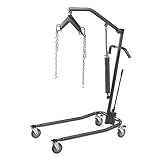 Drive Medical Hydraulic Patient Lift
A full lift is what makes one person able to manage a transfer alone. It is the single purchase that most often delays a move into residential care.
Check price on Amazon →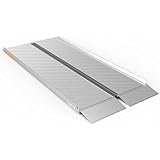 EZ-ACCESS Singlefold Wheelchair Ramp, 6 ft
Folds like a suitcase and carries in a car boot, so the same ramp handles the front step at home and the kerb at an appointment.
Check price on Amazon → Drive Medical Nitro Rollator with Seat
The seat matters more than the wheels. Being able to stop and rest is what decides whether someone still goes out at all.
Check price on Amazon → Vive Stand Assist Rail for Couch or Chair
Getting out of a low sofa is where most falls at home start. This is the cheapest thing on the list and often the first one needed.
Check price on Amazon →As an Amazon Associate we earn from qualifying purchases, at no extra cost to you. Researched guidance, not medical advice. Prices change, so check before buying.
The Resentment-Guilt Cycle
Most caregivers get trapped in this destructive loop:
- You feel resentful (they're so demanding, this is unfair)
- You feel guilty about the resentment (I shouldn't feel this way, I'm terrible)
- You overcompensate (do more, say yes to everything)
- You become more depleted and resentful
- Repeat
The exit is to accept that resentment is a normal response to an abnormal situation. You don't have to act on it. You don't have to feel guilty about having the feeling. Just notice it, name it, and tend to what's underneath it (usually unmet needs).
Coping with Resentment
Acknowledge It
- Name the feeling: "I feel resentful right now"
- Don't judge yourself for having the feeling
- Write it down, journaling helps process emotions
- Tell someone who won't judge (therapist, support group)
Identify What's Underneath
Resentment usually signals unmet needs:
- "I need rest and I'm not getting it"
- "I need appreciation for what I'm doing"
- "I need help from others"
- "I need time for myself"
- "I need this situation to be fair"
Take Action on What You Can
- Get more help: Hire care, ask family, use community resources
- Set boundaries: Say no to some requests
- Take breaks: Respite care, even a few hours
- Address sibling issues: Have the conversation (or accept they won't change)
- Lower your standards: "Good enough" is okay
Let Go of What You Can't Change
- You can't make your siblings help
- You can't cure your parent's disease
- You can't go back in time
- You can't make your parent appreciate you
- Acceptance isn't approval, it's acknowledging reality
When Your Parent Is Difficult
Some parents make caregiving harder with their behavior:
- Constant criticism or complaints
- Manipulation or guilt-tripping
- Refusal to accept needed help
- Creating conflict among siblings
- Never saying thank you
Strategies
- Separate the disease from the person: Some behaviors are dementia, not them
- Don't seek approval you won't get: Do the right thing regardless of their response
- Limit exposure: You don't have to be present 24/7
- Use humor when you can: Sometimes you have to laugh
- Remember who they were: When possible, before illness changed them
If you're having thoughts of harming yourself or your parent, or if you've found yourself being rough, neglectful, or yelling frequently, stop and get help immediately. Call a crisis line, step away, get respite. This is beyond normal resentment and requires immediate support.
If the Relationship Was Always Difficult
Caring for a parent who was abusive, absent, or emotionally harmful is a special challenge.
- You're not obligated to be the primary caregiver
- You can help coordinate care without providing hands-on care
- It's okay to have complicated feelings, and to protect yourself
- Therapy can help process old wounds stirred up by caregiving
- Setting boundaries is self-preservation, not cruelty
Self-Compassion Practices
- Talk to yourself as you would a friend: "This is really hard. You're doing your best."
- Recognize shared humanity: Millions of caregivers feel exactly this way
- Give yourself permission to have all your feelings
- Take small pleasures: Coffee, a walk, a phone call, small things matter
- Forgive yourself regularly
Caregiving is one of the hardest things a person can do. The fact that you sometimes feel resentful doesn't negate the love, sacrifice, and care you provide every day. Both can be true. You're human.
Getting Professional Support
- Therapy: Individual counseling to process emotions
- Support groups: Others who truly understand (in person or online)
- Caregiver coaching: Practical strategies for managing stress
- Family therapy: When sibling or family conflict is a factor
Caregiver Burnout Assessment
Check in on your own wellbeing. You can't pour from an empty cup.
Take Assessment