Aggression in Elderly Parents with Dementia
Your kind, gentle parent has become angry, hostile, sometimes even physically aggressive. This is one of the most difficult and frightening aspects of dementia caregiving. Understanding that aggression is a symptom of disease, not your parent's true self, is the first step to managing it.
If your parent is physically violent and you are in danger, leave the room, call for help, or call 911. You cannot provide care if you are injured. It's not wrong to protect yourself, it's necessary.
Types of Aggressive Behavior
- Verbal aggression: Yelling, cursing, threats, insults
- Physical aggression: Hitting, biting, scratching, kicking, pushing
- Resistive behavior: Fighting against care (bathing, dressing, medications)
- Throwing objects
- Destroying property
As an Amazon Associate, we earn from qualifying purchases.
Recommended Dementia Care Resources
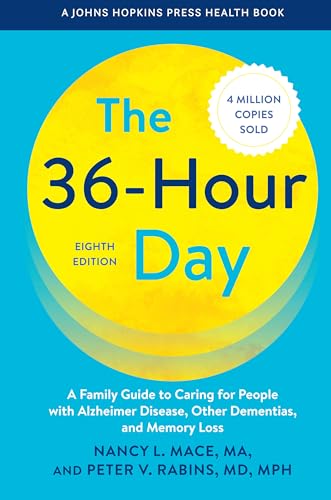 The 36-Hour Day Expert guidance on managing challenging behaviors
 Fidget Sensory Blanket Calming tactile stimulation to reduce agitation
 Dementia Activity Set Redirect energy with engaging activities
 Music Therapy Player Soothing music to calm agitation
Why Dementia Causes Aggression
Aggression is never random, there's always a reason, even if you can't immediately identify it. The dementia brain can't communicate needs normally, so distress comes out as aggression.
Pain or Physical Discomfort
They may not be able to tell you they're in pain. Undiagnosed infection, constipation, dental problems, arthritis, or illness can all cause aggression.
Look for: Grimacing, guarding body parts, changes in behavior patterns, UTI symptoms.
Fear and Confusion
Imagine not recognizing your own home or the people around you. Everything feels threatening. A caregiver approaching to help with bathing may seem like an attacker.
Look for: Wide eyes, defensive posture, backing away.
Overstimulation
Too much noise, activity, or confusion overwhelms a damaged brain. Loud TV, multiple people talking, busy environments can trigger aggression.
Look for: Escalation in noisy or chaotic environments.
Loss of Control
Being told what to do constantly, having no choices, feeling powerless, anyone would get angry. Dementia strips away independence, and aggression may be a protest.
Look for: Aggression during tasks they used to do independently.
Fatigue
Tiredness dramatically reduces coping ability. Late afternoon and evening aggression (sundowning) is often fatigue-related.
Look for: Pattern of aggression at certain times of day.
Frustration with Communication
Knowing what they want to say but being unable to express it is incredibly frustrating. Aggression becomes the only way to communicate strong feelings.
Look for: Aggression when trying to communicate needs.
De-Escalation Techniques
In the Moment
- Stay calm: Your agitation feeds theirs. Take a deep breath.
- Lower your voice: Speak softly and slowly
- Give space: Step back, don't crowd them
- Validate feelings: "I can see you're upset. I'm sorry."
- Don't argue: Even if they're wrong, agree or redirect
- Offer simple choices: "Would you like to sit here or there?"
- Change the subject: "Look at this picture" or "Let's have a snack"
- Leave if needed: "I'll give you some space and come back"
- Use distraction: Music, a favorite item, looking out the window
What Makes It Worse
- Arguing or reasoning: They can't process logic
- Raising your voice: Escalates the situation
- Rushing: Pressure increases anxiety
- Restraining: Unless for immediate safety, makes aggression worse
- Taking it personally: Remember it's the disease
- Forcing the task: It can wait. Safety first.
- Crowding or cornering: They need an escape route
- Showing fear: Stay outwardly calm even if you're scared
Prevention Strategies
Approach and Communication
- Approach from the front, make eye contact
- Identify yourself even if you're family
- Speak in simple, calm sentences
- Give one instruction at a time
- Allow extra time to respond
- Offer choices to give sense of control
Care Tasks
- Break tasks into small steps
- Time difficult tasks for their best time of day
- Let them do what they can themselves
- Try again later if they resist
- Consider whether the task is truly necessary
- Same person doing care builds familiarity
Environment
- Keep environment calm and quiet
- Good lighting (shadows are scary)
- Familiar surroundings and objects
- Reduce clutter and confusion
- Comfortable temperature
- Soothing music if they enjoy it
Physical Needs
- Regular toileting (discomfort causes agitation)
- Pain management
- Adequate sleep
- Regular meals and snacks
- Appropriate exercise/activity
- Check for infections, especially UTI
Track when aggression happens, what was going on before it, and what helped. Patterns emerge that can help you prevent future episodes.
When Aggression Is Dangerous
Some situations require more than behavioral strategies:
- Physical attacks causing injury
- Use of weapons or objects as weapons
- Caregiver is afraid for their safety
- Other vulnerable people (children) are at risk
- Aggression is constant, not occasional
What to Do
- Medical evaluation: Rule out treatable causes (pain, infection, medication)
- Medication review: Some medications can cause aggression
- Consider psychiatric medications: Sometimes necessary for safety
- Professional help: Geriatric psychiatrist or behavioral specialist
- More supervision: Additional caregivers, facility care
- Memory care placement: Staff trained in managing behaviors
Antipsychotic medications are sometimes used for severe aggression but carry risks in elderly dementia patients. They should be used carefully, at lowest effective dose, for shortest time, when non-drug approaches have failed and behavior poses danger.
Protecting Yourself
- Always have an exit path, never let yourself get cornered
- Remove or secure potential weapons
- Keep your phone accessible
- Have a plan for getting help quickly
- Consider a medical alert device for yourself
- Know when to call 911
After an Aggressive Episode
- They will likely forget it happened, you won't
- Don't hold grudges, it wasn't really them
- Care for any injuries
- Take time to recover emotionally
- Analyze what triggered it
- Adjust your approach for next time
- Talk to someone, don't bottle it up
When Home Care Isn't Safe
Sometimes aggression makes home care impossible:
- You've been seriously injured
- You're afraid in your own home
- Aggression is increasing despite interventions
- You can't get help with care
- Your health is suffering
- Other family members are at risk
Memory care facilities have staff trained in dementia behaviors, 24-hour supervision, and the ability to medically manage aggression. Placement is not failure, it may be the safest choice for everyone.
Caregiver Burnout Assessment
Managing aggressive behavior is exhausting. Are you okay?
Take Assessment