Constipation in Elderly Parents: A Common Problem
Constipation affects up to 40% of adults over 65. It's so common that many families don't think much of it, but chronic constipation can significantly impact quality of life, lead to serious complications, and is often preventable or treatable. Here's what you need to know.
Normal ranges from 3 bowel movements per day to 3 per week. Constipation means fewer than 3 per week, hard or lumpy stools, straining, feeling of incomplete evacuation, or needing to help stool pass manually. Changes from your parent's normal pattern matter most.
Why Constipation Is Common in Elderly
Medications
Many common medications cause constipation: opioid pain relievers, calcium channel blockers, antidepressants, antihistamines, iron supplements, calcium supplements, and diuretics. The more medications, the higher the risk.
Reduced Activity
Physical activity stimulates bowel function. As mobility decreases, so does gut motility. Bed-bound patients are especially at risk.
Dehydration
Elderly people often don't drink enough water. Thirst sensation decreases with age. Some limit fluids due to incontinence concerns. Dehydration leads to harder stools.
Low Fiber Diet
Appetite decreases with age. Dental problems make fiber-rich foods harder to eat. Processed convenience foods are often low in fiber.
Ignoring the Urge
Mobility issues may make getting to the bathroom difficult. Some people delay due to privacy concerns or fear of incontinence. Over time, this weakens the urge.
Medical Conditions
Diabetes, hypothyroidism, Parkinson's disease, stroke, dementia, and depression all increase constipation risk. So do conditions affecting the pelvic floor.
The equipment that changes the most
Most of what caregiving costs is time. These four are the purchases that reliably buy some of it back, and they are the ones families tell us they wish they had bought sooner.
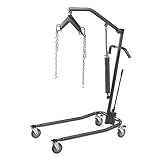 Drive Medical Hydraulic Patient Lift
A full lift is what makes one person able to manage a transfer alone. It is the single purchase that most often delays a move into residential care.
Check price on Amazon →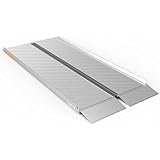 EZ-ACCESS Singlefold Wheelchair Ramp, 6 ft
Folds like a suitcase and carries in a car boot, so the same ramp handles the front step at home and the kerb at an appointment.
Check price on Amazon → Drive Medical Nitro Rollator with Seat
The seat matters more than the wheels. Being able to stop and rest is what decides whether someone still goes out at all.
Check price on Amazon → Vive Stand Assist Rail for Couch or Chair
Getting out of a low sofa is where most falls at home start. This is the cheapest thing on the list and often the first one needed.
Check price on Amazon →As an Amazon Associate we earn from qualifying purchases, at no extra cost to you. Researched guidance, not medical advice. Prices change, so check before buying.
When to Call the Doctor
- No bowel movement for 1 week or more
- Blood in stool or on toilet paper
- Severe abdominal pain or bloating
- Vomiting with constipation
- Sudden change in bowel habits
- Unexplained weight loss
- Thin, ribbon-like stools (new pattern)
- Fecal incontinence (leaking stool around a blockage)
Fecal Impaction
Severe constipation can lead to fecal impaction, a mass of hard stool stuck in the rectum. Signs include:
- Sudden urge to have a bowel movement but unable to pass anything
- Leaking watery stool around the blockage (paradoxical diarrhea)
- Abdominal cramping and discomfort
- Nausea, bloating, poor appetite
- Confusion in elderly (especially those with dementia)
Impaction requires medical treatment, often manual disimpaction, enemas, or both. Don't ignore severe constipation.
Prevention Strategies
Increase Fluids
- Goal: 6-8 glasses of fluid daily (unless fluid-restricted)
- Water is best, but tea, coffee, and juice count
- Warm liquids in the morning can stimulate bowel activity
- Keep water within easy reach throughout the day
Increase Fiber (Gradually)
High-Fiber Foods
- Fruits: Prunes, pears, apples, berries, kiwi
- Vegetables: Broccoli, sweet potatoes, carrots, spinach
- Whole grains: Oatmeal, whole wheat bread, bran cereal
- Legumes: Beans, lentils (if tolerated)
- Nuts and seeds: If able to chew safely
Increasing fiber too quickly causes gas, bloating, and discomfort. Add gradually over 2-3 weeks. Fiber without adequate fluid can worsen constipation.
Encourage Movement
- Even short walks help
- Chair exercises for those with limited mobility
- Gentle abdominal massage can stimulate bowels
- Physical therapy if mobility is severely limited
Establish a Routine
- Try to sit on the toilet at the same time each day
- After breakfast is often best (gastrocolic reflex)
- Allow enough time, don't rush
- Use a footstool to elevate knees above hips (squatting position)
- Never ignore the urge to go
Treatment Options
Always start with lifestyle measures. If those aren't enough:
✓ Bulk-Forming Laxatives (Fiber Supplements)
Examples: Metamucil, Benefiber, Citrucel
How they work: Add bulk to stool, absorb water
Notes: Must drink plenty of water. Work over several days. Safe for long-term use.
✓ Stool Softeners
Example: Docusate (Colace)
How they work: Make stool softer and easier to pass
Notes: Gentle, often used with opioid medications. May take a few days to work.
✓ Osmotic Laxatives
Examples: MiraLAX (polyethylene glycol), milk of magnesia, lactulose
How they work: Draw water into the intestines
Notes: Work within 1-3 days. Often recommended by doctors. Generally safe for regular use.
✓ Stimulant Laxatives
Examples: Senokot (senna), Dulcolax (bisacodyl)
How they work: Stimulate intestinal muscles to contract
Notes: Work faster (6-12 hours). Should not be used daily long-term without medical guidance. Can cause cramping.
✓ Suppositories and Enemas
Examples: Glycerin suppositories, Fleet enema
How they work: Stimulate evacuation directly
Notes: Work quickly (15-60 minutes). For occasional use or when oral laxatives haven't worked.
✗ Use with Caution
- Mineral oil (aspiration risk in elderly)
- Castor oil (harsh, cramping)
- Long-term daily stimulant laxative use without doctor approval
- Combining multiple laxatives without guidance
Opioid-Induced Constipation
If your parent takes opioid pain medication (morphine, oxycodone, hydrocodone, etc.), constipation is almost guaranteed. The opioids slow the gut.
Managing Opioid Constipation
- Start prevention immediately when opioids begin
- Stool softener + stimulant laxative combination often needed
- Don't rely on fiber alone: opioids override normal gut signals
- Prescription options: Methylnaltrexone (Relistor), naloxegol (Movantik) if standard laxatives fail
- Ask the doctor about a bowel regimen when opioids are prescribed
Severe constipation can be the reason families stop effective pain medication. A good bowel regimen allows pain control without misery. Talk to the doctor if current measures aren't working.
For Dementia Patients
Constipation in dementia presents special challenges:
- They may not recognize or communicate discomfort
- Constipation can cause increased confusion and agitation
- They may resist sitting on the toilet
- They may not remember to drink enough
- They may forget they haven't had a bowel movement
Strategies for Dementia
- Keep a bowel diary to track patterns
- Offer fluids regularly throughout the day
- Establish a toileting routine after meals
- Watch for signs of discomfort (restlessness, holding abdomen)
- Consider daily fiber supplement mixed into food
- Alert caregivers to monitor bowel movements
When Simple Measures Don't Work
See the doctor if:
- Diet, fluids, and OTC laxatives aren't helping
- You're using laxatives daily for weeks
- Symptoms keep recurring
- There are signs of impaction
- You notice new symptoms (blood, weight loss, pain)
What the Doctor May Do
- Review medications and adjust if possible
- Check for underlying conditions (thyroid, diabetes)
- Prescribe stronger or prescription laxatives
- Order tests if something more serious is suspected
- Refer to a gastroenterologist if needed