Incontinence in Elderly Parents: A Practical Guide
Finding out your parent is experiencing incontinence can be difficult, for both of you. They may feel embarrassed or ashamed. You may feel unprepared. But incontinence is common, often treatable, and always manageable.
More than half of adults over 65 experience some form of incontinence. It's not a normal part of aging, but it is a common medical issue with many solutions.
Many cases of incontinence can be improved or cured with proper treatment. Before accepting it as inevitable, see a doctor. Causes like UTIs, medication side effects, and pelvic floor weakness are often fixable.
Types of Incontinence
Stress Incontinence
Leakage when pressure is placed on the bladder, coughing, sneezing, laughing, lifting, or exercising. More common in women. Often caused by weakened pelvic floor muscles.
Urge Incontinence (Overactive Bladder)
Sudden, intense urge to urinate followed by involuntary leakage. May need to go frequently, including at night. The "I can't wait" type.
Overflow Incontinence
Bladder doesn't empty completely, leading to frequent dribbling. More common in men with prostate issues. May feel like the bladder is never fully empty.
Functional Incontinence
Physical or cognitive impairment prevents getting to the bathroom in time. The bladder works fine, but mobility, dementia, or environmental barriers cause accidents.
Mixed Incontinence
Combination of types, often stress and urge together. Very common in older women.
The equipment that changes the most
Most of what caregiving costs is time. These four are the purchases that reliably buy some of it back, and they are the ones families tell us they wish they had bought sooner.
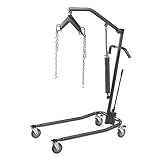 Drive Medical Hydraulic Patient Lift
A full lift is what makes one person able to manage a transfer alone. It is the single purchase that most often delays a move into residential care.
Check price on Amazon →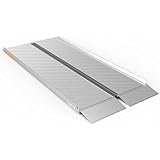 EZ-ACCESS Singlefold Wheelchair Ramp, 6 ft
Folds like a suitcase and carries in a car boot, so the same ramp handles the front step at home and the kerb at an appointment.
Check price on Amazon → Drive Medical Nitro Rollator with Seat
The seat matters more than the wheels. Being able to stop and rest is what decides whether someone still goes out at all.
Check price on Amazon → Vive Stand Assist Rail for Couch or Chair
Getting out of a low sofa is where most falls at home start. This is the cheapest thing on the list and often the first one needed.
Check price on Amazon →As an Amazon Associate we earn from qualifying purchases, at no extra cost to you. Researched guidance, not medical advice. Prices change, so check before buying.
Common Causes in Elderly
- Urinary tract infections: A major cause of sudden incontinence
- Medications: Diuretics, sedatives, and many others
- Prostate problems: Enlarged prostate in men
- Pelvic floor weakness: Especially after childbirth or surgery
- Constipation: Impacted stool pressing on bladder
- Mobility issues: Can't get to bathroom fast enough
- Dementia: May not recognize urge or find bathroom
- Neurological conditions: Parkinson's, stroke, multiple sclerosis
- Diabetes: Can damage nerves that control bladder
When to See a Doctor
Always see a doctor if:
- Incontinence is new or has suddenly worsened
- There's blood in urine
- Pain or burning with urination
- Fever (may indicate infection)
- Incontinence started after a fall or injury
- Inability to empty bladder
- Incontinence is impacting quality of life
If your parent suddenly becomes incontinent, it may be a sign of a UTI, especially if accompanied by confusion. UTIs in elderly often don't have typical symptoms. Get it checked immediately.
Treatment Options
Behavioral Strategies
- Scheduled toileting: Go to bathroom every 2-3 hours, whether they feel the urge or not
- Prompted voiding: For those with dementia, regularly ask and assist
- Bladder training: Gradually increase time between bathroom visits
- Pelvic floor exercises: Kegels can strengthen muscles
- Fluid management: Limit evening fluids, reduce caffeine and alcohol
Medical Treatments
- Medications: Various drugs can calm overactive bladder
- Treating underlying causes: UTI treatment, medication changes
- Physical therapy: Pelvic floor rehabilitation
- Botox injections: For overactive bladder
- Surgery: For severe cases, various procedures available
Choosing Incontinence Products
| Product | Best For | Considerations |
|---|---|---|
| Pads/Liners | Light leakage | Discreet, worn with regular underwear |
| Pull-ups | Moderate incontinence, mobile adults | Like underwear, easy on/off |
| Tab-style briefs | Heavy incontinence, limited mobility | Easier for caregivers to change |
| Bed pads | Nighttime protection | Disposable or washable options |
| Male guards | Light male incontinence | Shaped for male anatomy |
Product Tips
- Get the right size: Too small causes leaks; too big causes discomfort
- Match absorbency to need: Light, moderate, heavy, overnight
- Consider skin-friendly materials
- Try different brands: Fit varies by brand
- Stock up: Subscribe and save options reduce cost
- Use overnight products at night: More absorbent for longer wear
Maintaining Skin Health
Skin breakdown is a major concern with incontinence:
- Change promptly: Don't let them sit in wet products
- Clean gently: Use pH-balanced cleansers, not soap
- Pat dry: Don't rub
- Use barrier cream: Zinc oxide or dimethicone protects skin
- Let skin breathe: When possible, expose skin to air
- Check skin daily: Look for redness, breakdown, or sores
Preserving Dignity
How you handle incontinence matters for your parent's self-esteem:
- Use matter-of-fact language, no embarrassment
- Refer to products as "protection" or "underwear," not "diapers"
- Provide privacy during changes when possible
- Let them do as much as possible themselves
- Never show frustration or disgust
- Treat accidents as no big deal
- Keep products accessible but discreet
Practical Home Modifications
- Clear path to bathroom: Remove obstacles, add lighting
- Bedside commode: For nighttime or mobility issues
- Raised toilet seat: Easier to sit and stand
- Grab bars: Stability getting on/off toilet
- Easy-off clothing: Elastic waists, Velcro instead of buttons
- Mattress protector: Waterproof, but breathable
Daily Care Log
Track bathroom visits, accidents, and patterns with our daily caregiver log.
Get the LogRelated Resources
- UTI Symptoms in the Elderly
- Elderly Parent Refusing to Bathe
- Home Modifications for Aging in Place
- How to Hire a Caregiver
- Best Incontinence Products for Elderly 2026
- Best Raised Toilet Seats 2026
Products that help with incontinence care
We independently research every recommendation. As an Amazon Associate we earn from qualifying purchases, at no extra cost to you. Disclosure.
- Incontinence Products →Absorbent briefs, pads, and bed protection rated for overnight use.