When Your Elderly Parent Refuses to Bathe
Your parent hasn't showered in two weeks. Their clothes are stained. There's an odor. You've tried asking nicely, suggesting, even begging, but they refuse. It's frustrating, embarrassing (especially at doctor appointments), and you don't know what to do.
Bath refusal is incredibly common, especially with dementia. Understanding WHY they're refusing is the key to finding solutions that work.
Why Elderly Parents Stop Bathing
Fear of Falling
The bathroom is the most dangerous room. Wet surfaces, stepping over tub walls, and standing on one leg are terrifying when you're unsteady.
Pain or Discomfort
Arthritis makes reaching difficult. Standing is exhausting. The water temperature feels wrong. The process is physically uncomfortable.
Depression
Depression causes people to stop caring for themselves. Bathing feels pointless, "Why bother?"
Loss of Smell
Many elderly people lose their sense of smell and genuinely don't notice body odor or the need to bathe.
Cognitive Changes
They may forget how to operate the shower, feel confused by the process, or not remember when they last bathed.
Embarrassment
Needing help with bathing is profoundly humiliating. Being naked in front of their child or a stranger is mortifying.
Sensory Issues
Water may feel painful or scary. The bathroom may be too cold. The lighting too harsh. Sensory sensitivities increase with age.
Loss of Routine
They've lost track of time and their old routines. Bathing used to be automatic; now it requires effort they don't have.
People with dementia may not recognize the bathroom, may be frightened by running water, may not understand what's happening, or may forget mid-bath why they're there. What looks like stubbornness is often fear and confusion.
The equipment that changes the most
Most of what caregiving costs is time. These four are the purchases that reliably buy some of it back, and they are the ones families tell us they wish they had bought sooner.
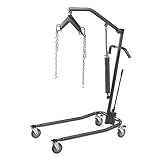 Drive Medical Hydraulic Patient Lift
A full lift is what makes one person able to manage a transfer alone. It is the single purchase that most often delays a move into residential care.
Check price on Amazon →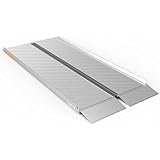 EZ-ACCESS Singlefold Wheelchair Ramp, 6 ft
Folds like a suitcase and carries in a car boot, so the same ramp handles the front step at home and the kerb at an appointment.
Check price on Amazon → Drive Medical Nitro Rollator with Seat
The seat matters more than the wheels. Being able to stop and rest is what decides whether someone still goes out at all.
Check price on Amazon → Vive Stand Assist Rail for Couch or Chair
Getting out of a low sofa is where most falls at home start. This is the cheapest thing on the list and often the first one needed.
Check price on Amazon →As an Amazon Associate we earn from qualifying purchases, at no extra cost to you. Researched guidance, not medical advice. Prices change, so check before buying.
Making the Bathroom Safer
Often, refusal is really about fear or difficulty. Address the physical barriers first:
- Grab bars: Install by the toilet, in the shower, and near the tub
- Shower chair or bath bench: Sitting is safer than standing
- Handheld showerhead: Gives them control over water direction
- Non-slip mats: In the tub/shower and on the bathroom floor
- Raised toilet seat: Easier to sit and stand
- Walk-in tub or curbless shower: Eliminates the dangerous step-over
- Warm bathroom: Use a space heater to eliminate the cold
- Good lighting: Bright, even lighting reduces confusion and falls
Strategies That Work
1. Don't Call It a "Bath"
The word "bath" or "shower" can trigger resistance. Try:
- "Let's get freshened up before the doctor appointment."
- "Let me help you wash your hair, it'll feel so good."
- "Time to get ready for the day."
2. Focus on the Positive Outcome
Instead of emphasizing cleanliness (which implies they're dirty), focus on how good it will feel:
- "Don't you love how refreshed you feel after a warm shower?"
- "Your skin will feel so soft after we use this nice lotion."
- "Let's wash your hair, it always looks so nice when it's clean."
3. Match the Approach to Their History
What were their bathing habits when they were younger?
- Bath person? Try a warm bath instead of shower
- Morning shower routine? Don't try to bathe them at night
- Quick and efficient? Keep it short
- Loved bubble baths? Add bubbles and make it pleasant
4. Maintain Dignity at All Costs
Preserve modesty however you can:
- Use a towel or robe to cover them as much as possible
- Let them wash private areas themselves if able
- Same-gender helper if that matters to them
- Keep conversation normal and casual, not clinical
5. Use the "Doctor's Orders" Card
"Dr. Smith says you need to keep clean to prevent skin infections."
Medical authority can be more persuasive than family nagging. Ask their doctor to reinforce hygiene at appointments.
6. Consider a "Bed Bath" Alternative
A full shower isn't always necessary. In-between options:
- Sponge bath at the sink
- No-rinse cleansing products (wipes, foams, shampoo caps)
- Focus on "hot spots": face, underarms, groin, feet
7. Establish a Routine
"Tuesday and Saturday are bath days" becomes an expectation rather than a daily negotiation. Consistency reduces resistance.
8. Hire Outside Help
Many parents will accept help from a professional when they refuse help from family. A home health aide who's experienced with reluctant bathers may succeed where you've failed.
Bonus: It removes the awkwardness of the parent-child dynamic.
Do's and Don'ts
Do:
- Stay calm and patient
- Explain each step before doing it
- Use warm water (check temperature first)
- Keep the bathroom warm
- Let them do what they can themselves
- Make it pleasant (nice soap, music, warm towels)
- Try again later if they refuse now
Don't:
- Force or physically overpower them
- Use cold water
- Rush or show impatience
- Scold or shame them about odor
- Spray water directly on their face
- Leave them alone if they're unsafe
- Make it a daily battle
For People with Dementia
Bathing resistance is one of the most challenging dementia behaviors. Special approaches:
- Go slowly: Each step should be calm and explained
- Reduce stimulation: Quiet, warm, dimly lit bathroom
- Cover mirrors: They may not recognize their reflection and become frightened
- Use familiar products: The soap or shampoo they've used for years
- Sing songs or talk about memories: Distraction helps
- Never argue: If they say they just bathed, say "Okay, let's just freshen up then"
- Try a different time: Resistance may be lower in the morning vs. evening
- Accept partial success: A sponge bath is better than no bath
No-rinse bathing products can be a game-changer. Options include no-rinse body wash, shampoo caps (just put on head and massage), and cleansing wipes. Available at pharmacies and online.
How Often Do They Really Need to Bathe?
Good news: They don't need to shower daily. For most elderly people:
- Full bath/shower: 2-3 times per week is usually sufficient
- Hot spots: Face, underarms, groin can be cleaned daily with a washcloth
- Hair: Weekly is often fine for elderly people with dry hair/skin
Focus on health-critical areas (to prevent infection and skin breakdown) rather than fighting for daily showers.
Poor hygiene can lead to skin infections, UTIs, and social isolation. If refusal is severe or causing health problems, involve their doctor. Sudden changes in hygiene may indicate depression, cognitive decline, or physical issues that need medical attention.
The Emotional Side
For caregivers, bath battles are exhausting. It helps to remember:
- They're not refusing to make your life hard
- Resistance usually comes from fear, discomfort, or confusion
- This is one of the most common caregiving challenges, you're not alone
- It's okay to step back and try a different approach or different person
Daily Care Log
Track bathing, medications, meals, and symptoms. Helpful for doctor visits and coordinating with other caregivers.
Get the Care LogRelated Resources
- When Your Elderly Parent Refuses Help
- Dementia Stages: What to Expect
- Sundowning in Dementia
- Caregiver Burnout: Signs and Solutions
- Best Shower Chairs & Bath Seats 2026
- Best Grab Bars 2026
Products that help with bathing & hygiene
We independently research every recommendation. As an Amazon Associate we earn from qualifying purchases, at no extra cost to you. Disclosure.
- Shower Chairs & Bath Seats →Non-slip seating so bathing stays safe and dignified.
- Grab Bars →Tool-free and drilled bars for bathrooms, halls, and stairs.