Medication Management for Elderly Parents
The average senior takes 4-5 prescription medications. Many take 10 or more. Managing multiple medications, with different dosing schedules, interactions to watch for, and side effects, is one of the most complex parts of caregiving. Getting it wrong can be dangerous. Getting it right can keep your parent healthy and out of the hospital.
Studies show that 40-60% of seniors make medication errors, wrong dose, wrong time, missing doses, or taking medications that interact dangerously. You're not overreacting by taking this seriously.
Getting Organized
Create a Complete Medication List
You need a current, complete list that includes:
- Prescription medications: Name, dose, frequency, prescribing doctor
- Over-the-counter medications: Aspirin, antacids, pain relievers, sleep aids
- Vitamins and supplements: Vitamin D, fish oil, calcium, etc.
- Herbal remedies: Ginkgo, St. John's Wort, turmeric
- Eye drops, inhalers, patches: Non-pill medications
- PRN medications: "As needed" medications
Keep this list updated and bring it to every doctor visit, ER trip, and hospital admission.
Use a Pill Organizer
A weekly pill organizer with compartments for each time of day (morning, noon, evening, bedtime) is essential. Fill it at the same time each week. Consider an automated pill dispenser with alarms if they forget doses.
Set Up a System
- Same time every day: Link medications to routines (breakfast, dinner)
- Phone alarms: Set recurring alarms for medication times
- Medication log: Check off each dose as it's taken
- Refill calendar: Track when each medication needs refilling
- One pharmacy: Use a single pharmacy that can check for interactions
The equipment that changes the most
Most of what caregiving costs is time. These four are the purchases that reliably buy some of it back, and they are the ones families tell us they wish they had bought sooner.
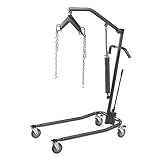 Drive Medical Hydraulic Patient Lift
A full lift is what makes one person able to manage a transfer alone. It is the single purchase that most often delays a move into residential care.
Check price on Amazon →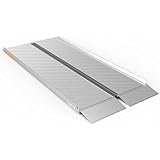 EZ-ACCESS Singlefold Wheelchair Ramp, 6 ft
Folds like a suitcase and carries in a car boot, so the same ramp handles the front step at home and the kerb at an appointment.
Check price on Amazon → Drive Medical Nitro Rollator with Seat
The seat matters more than the wheels. Being able to stop and rest is what decides whether someone still goes out at all.
Check price on Amazon → Vive Stand Assist Rail for Couch or Chair
Getting out of a low sofa is where most falls at home start. This is the cheapest thing on the list and often the first one needed.
Check price on Amazon →As an Amazon Associate we earn from qualifying purchases, at no extra cost to you. Researched guidance, not medical advice. Prices change, so check before buying.
Dangerous Drug Interactions
- Blood thinners + aspirin/NSAIDs: Increased bleeding risk
- Blood pressure meds + NSAIDs: Can raise blood pressure
- Sedatives + opioids: Dangerous respiratory depression
- Antidepressants + MAOIs: Serotonin syndrome risk
- Statin + grapefruit: Increased statin levels, muscle damage
- Warfarin + vitamin K: Makes warfarin less effective
Food and Medication Interactions
- Grapefruit: Interacts with many medications (statins, some blood pressure meds)
- Dairy: Interferes with some antibiotics (tetracycline, ciprofloxacin)
- Vitamin K foods: Affects warfarin (leafy greens, broccoli)
- Alcohol: Dangerous with many medications, especially sedatives
- Tyramine foods: Dangerous with MAOIs (aged cheese, cured meats)
Request a Medication Review
Ask the pharmacist or doctor to review all medications for:
- Drug-drug interactions
- Drug-food interactions
- Duplicate therapies (two drugs doing the same thing)
- Medications that may no longer be needed
- "Prescribing cascade" (medication to treat side effect of another)
Medicare Part D plans are required to offer Medication Therapy Management (MTM) for beneficiaries taking multiple medications. This includes a comprehensive review by a pharmacist. Ask if your parent qualifies.
High-Risk Medications for Elderly
The American Geriatrics Society maintains a list of medications that are potentially inappropriate for older adults. These aren't forbidden, but require extra caution.
Categories to Watch
- Benzodiazepines: Valium, Xanax, Ativan, fall risk, confusion
- Sleep medications: Ambien, Lunesta, fall risk, next-day impairment
- Anticholinergics: Benadryl, some bladder meds, confusion, urinary retention
- Muscle relaxants: Flexeril, Soma, sedation, fall risk
- Long-acting opioids: Extended-release morphine, fentanyl patches
- Some diabetes medications: Glipizide, glyburide, hypoglycemia risk
When Doses Are Missed
General Rules (Check with Pharmacist)
- If just a few hours late: Usually okay to take
- If almost time for next dose: Skip the missed dose, don't double up
- Never double a dose to "catch up"
- Some medications are time-critical: Parkinson's meds, blood thinners, insulin
Create a "What to Do If Missed" Cheat Sheet
For each medication, write down what to do if a dose is missed. Post it with the medication list. Some medications have specific instructions that differ from the general rules.
Side Effects to Watch For
Common Side Effects in Elderly
- Dizziness/lightheadedness: Fall risk, may indicate blood pressure changes
- Confusion: Many medications cause this in elderly
- Drowsiness: Can accumulate with multiple sedating medications
- Constipation: Very common with pain medications, some blood pressure meds
- Appetite changes: Some medications cause nausea or taste changes
- Bleeding: Blood thinners, aspirin, NSAIDs
When to Report Side Effects
- Any new symptom after starting a medication
- Symptoms that affect quality of life
- Signs of allergic reaction (rash, swelling, difficulty breathing)
- Falls or near-falls
- Confusion or behavior changes
- Keep medications in original bottles with labels
- Store properly (some need refrigeration)
- Check expiration dates regularly
- Use one pharmacy for all prescriptions
- Bring all medications to doctor appointments
- Ask about generic alternatives to save money
- Never share medications between people
- Don't stop medications suddenly without asking doctor
- Don't crush or split pills without checking first
- Don't use old or expired medications
- Don't store in bathroom (humidity affects some medications)
Working with Multiple Doctors
The Problem
Your parent may see multiple specialists, each prescribing medications. Without coordination:
- Doctors may not know what others have prescribed
- Dangerous interactions can occur
- Duplicate medications may be prescribed
- One doctor may prescribe something another would avoid
Solutions
- Bring the medication list to every appointment
- Designate the primary care doctor as the coordinator
- Use one pharmacy that can screen for interactions
- Ask each doctor: "Does this interact with their other medications?"
- Request that doctors send records to each other
Managing Costs
Strategies to Reduce Medication Costs
- Ask about generics: Same medication, fraction of the cost
- Compare pharmacy prices: Prices vary significantly
- Use mail-order pharmacies: Often cheaper for maintenance medications
- Check manufacturer programs: Many offer assistance for expensive drugs
- Apply for Extra Help: Medicare program for low-income seniors
- Ask about pill splitting: Sometimes higher doses are same price, can be split
Special Situations
Dementia and Medications
- They may forget they took medication and take again
- They may refuse medications
- They may hide or hoard pills
- Consider liquid formulations if they can't swallow pills
- Supervised medication administration may be needed
After Hospitalization
- Medications often change during hospital stays
- Get a complete reconciled list before discharge
- Throw out old versions of changed medications
- Follow up with doctor within 7 days to review
Pharmacists are medication experts. Consult them when: starting a new medication, managing 5+ medications, after hospitalization, when side effects occur, or when you have any questions about interactions or timing.
Medication Tracker Tool
Keep track of all medications, doses, and schedules in one place.
Get Tracker