Medicare Part D Explained: Prescription Drug Coverage
Your parent is on Medicare. They need prescription medications. But how does Part D actually work? What does it cost? And how do you choose the right plan?
Here's everything you need to know about Medicare Part D in plain English.
Medicare Part D is optional prescription drug coverage. It's not included in Original Medicare (Parts A and B). You either add a standalone Part D plan to Original Medicare, or you get drug coverage through a Medicare Advantage plan that includes Part D.
How Part D Costs Work
Part D has multiple cost components:
1. Monthly Premium
What you pay each month just to have the plan. Premiums vary widely by plan, from $0 to $100+ per month. Higher premiums don't always mean better coverage for your specific medications.
2. Annual Deductible
What you pay out-of-pocket before coverage kicks in. In 2026, the maximum Part D deductible is $590. Many plans have lower or no deductibles.
3. Copays/Coinsurance
What you pay at the pharmacy for each prescription. This varies by drug tier (see below).
4. Coverage Gap (Donut Hole)
A phase where you pay more after reaching a spending threshold. Major changes have reduced this burden (explained below).
The equipment that changes the most
Most of what caregiving costs is time. These four are the purchases that reliably buy some of it back, and they are the ones families tell us they wish they had bought sooner.
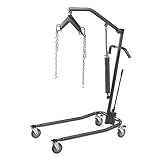 Drive Medical Hydraulic Patient Lift
A full lift is what makes one person able to manage a transfer alone. It is the single purchase that most often delays a move into residential care.
Check price on Amazon →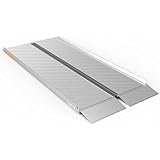 EZ-ACCESS Singlefold Wheelchair Ramp, 6 ft
Folds like a suitcase and carries in a car boot, so the same ramp handles the front step at home and the kerb at an appointment.
Check price on Amazon → Drive Medical Nitro Rollator with Seat
The seat matters more than the wheels. Being able to stop and rest is what decides whether someone still goes out at all.
Check price on Amazon → Vive Stand Assist Rail for Couch or Chair
Getting out of a low sofa is where most falls at home start. This is the cheapest thing on the list and often the first one needed.
Check price on Amazon →As an Amazon Associate we earn from qualifying purchases, at no extra cost to you. Researched guidance, not medical advice. Prices change, so check before buying.
The Four Coverage Phases
Part D coverage changes as you spend more on drugs throughout the year:
Phase 1: Deductible
You pay 100% of drug costs until you reach your plan's deductible. Some plans have $0 deductibles. Some drugs may be covered even before meeting the deductible.
Phase 2: Initial Coverage
You pay copays or coinsurance based on your drug's tier. The plan pays the rest. This is where most people spend most of the year.
Phase 3: Coverage Gap (Donut Hole)
Good news: Starting in 2025, the out-of-pocket cap means you won't pay more than $2,000 per year. Once you hit $2,000 in out-of-pocket costs, you enter catastrophic coverage.
Phase 4: Catastrophic Coverage
You pay $0 for covered drugs for the rest of the year. This is a major improvement from previous years when you still paid a percentage.
Starting in 2025, Medicare Part D has a $2,000 annual out-of-pocket maximum. Once your parent pays $2,000 in a year, covered prescriptions are free for the rest of that year. This is a huge help for people with expensive medications.
Drug Tiers Explained
Part D plans categorize drugs into tiers, with different costs for each:
| Tier | Drug Type | Typical Cost |
|---|---|---|
| Tier 1 | Preferred generics | $0-$15 |
| Tier 2 | Non-preferred generics | $15-$30 |
| Tier 3 | Preferred brand-name | $30-$50 |
| Tier 4 | Non-preferred brand-name | $50-$100 |
| Tier 5 | Specialty drugs | 25-33% coinsurance |
Important: Each plan has its own formulary (list of covered drugs) and tier assignments. The same drug might be Tier 2 on one plan and Tier 4 on another.
How to Choose a Part D Plan
Step 1: List All Medications
Write down every prescription drug your parent takes, including:
- Drug name (brand and generic)
- Dosage
- How often they take it
Step 2: Use Medicare's Plan Finder
Go to Medicare.gov and use the Plan Finder tool. Enter your parent's medications and preferred pharmacy to compare plans based on their actual drug needs.
Step 3: Check the Formulary
Make sure all their medications are covered by the plan. If a drug isn't on the formulary, they'll pay full price.
Step 4: Consider Total Annual Cost
Don't just look at premiums. Calculate:
- Monthly premium × 12
- Annual deductible
- Estimated copays for all medications
- = Total annual cost
Step 5: Check Pharmacy Networks
Make sure their preferred pharmacy is in the plan's network. Mail-order pharmacies often offer savings.
Review Plans Every Year
Part D plans change their formularies, tiers, and costs every year. What was the best plan last year may not be best this year. Use the annual enrollment period (October 15 - December 7) to compare and switch if needed.
When to Enroll
Initial Enrollment Period
7-month window around 65th birthday (3 months before, birthday month, 3 months after). Sign up when first eligible to avoid penalties.
Annual Enrollment Period
October 15 - December 7 each year. You can switch plans for coverage starting January 1.
Special Enrollment Periods
Triggered by life events like moving, losing other coverage, or qualifying for Extra Help.
If your parent goes without Part D or equivalent drug coverage for 63+ days, they'll pay a permanent penalty (1% of the national base premium × number of months without coverage). This penalty is added to their premium for life.
Extra Help (Low-Income Subsidy)
If your parent has limited income and resources, they may qualify for Extra Help, which pays most Part D costs:
- Little to no premium
- No deductible
- Reduced copays ($0-$11 per prescription)
- No coverage gap
Apply through Social Security (ssa.gov) or your State Health Insurance Assistance Program (SHIP).
Getting Help
- Medicare.gov: Official Plan Finder tool
- 1-800-MEDICARE: Free help from Medicare
- SHIP: Free local counseling (find your state's program at shiphelp.org)
- State Pharmaceutical Assistance Programs: Additional state-level help
Medicare Navigator Worksheet
Track medications, compare plans, and organize Medicare information with our free worksheet.
Get the Worksheet