Occupational therapy (OT) isn't about jobs, it's about helping your parent do the daily activities that matter to them. When dressing, bathing, cooking, or even using the bathroom becomes difficult, OT can restore independence and keep them safe at home.
What Occupational Therapy Actually Does
Occupational therapists help people perform "activities of daily living" (ADLs), the tasks we all need to do to live independently. Unlike physical therapy, which focuses on strength and mobility, OT focuses on practical problem-solving: finding ways to accomplish tasks despite limitations.
The equipment that changes the most
Most of what caregiving costs is time. These four are the purchases that reliably buy some of it back, and they are the ones families tell us they wish they had bought sooner.
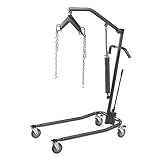 Drive Medical Hydraulic Patient Lift
A full lift is what makes one person able to manage a transfer alone. It is the single purchase that most often delays a move into residential care.
Check price on Amazon →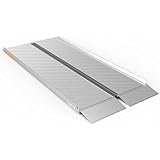 EZ-ACCESS Singlefold Wheelchair Ramp, 6 ft
Folds like a suitcase and carries in a car boot, so the same ramp handles the front step at home and the kerb at an appointment.
Check price on Amazon → Drive Medical Nitro Rollator with Seat
The seat matters more than the wheels. Being able to stop and rest is what decides whether someone still goes out at all.
Check price on Amazon → Vive Stand Assist Rail for Couch or Chair
Getting out of a low sofa is where most falls at home start. This is the cheapest thing on the list and often the first one needed.
Check price on Amazon →As an Amazon Associate we earn from qualifying purchases, at no extra cost to you. Researched guidance, not medical advice. Prices change, so check before buying.
When Your Parent Might Need OT
After a Stroke
- Relearn one-handed dressing
- Adapt kitchen for safety
- Regain fine motor skills
- Cognitive retraining
With Arthritis
- Joint protection techniques
- Adaptive equipment
- Energy conservation
- Modified grip strategies
After Surgery
- Hip precautions after replacement
- Safe bathing techniques
- Dressing with restrictions
- Return to daily activities
With Dementia
- Simplify daily routines
- Memory aids and cues
- Environmental modifications
- Caregiver training
With Parkinson's
- Handwriting strategies
- Dressing with tremor
- Button and zipper aids
- Freezing management
After a Fall
- Home safety assessment
- Fall prevention strategies
- Transfer training
- Confidence rebuilding
What Happens During OT
Initial Evaluation
The OT assesses your parent's abilities, challenges, home environment, and goals. They may watch your parent perform tasks, test hand strength and coordination, and evaluate cognitive function.
Goal Setting
Together, you'll set specific, measurable goals: "Be able to dress independently" or "Safely prepare simple meals" or "Use the bathroom without assistance."
Treatment Sessions
Sessions include practicing activities, learning adaptive techniques, strengthening exercises, and training with equipment. The OT may work in a clinic or come to your home.
Home Modifications
The OT recommends changes to make home safer: grab bars, raised toilet seats, better lighting, removing trip hazards, organizing for accessibility.
Equipment Training
Learning to use adaptive equipment: reachers, sock aids, shower benches, raised toilet seats, dressing sticks, built-up utensils.
Caregiver Education
Teaching you how to help safely without taking over. Proper assistance techniques protect both you and your parent.
Common Equipment OTs Recommend
OT vs Physical Therapy: What's the Difference?
| Aspect | Occupational Therapy | Physical Therapy |
|---|---|---|
| Focus | Daily living activities | Movement and mobility |
| Goal | Independence in daily tasks | Strength, balance, pain reduction |
| Examples | Dressing, bathing, cooking, eating | Walking, stairs, transfers, exercises |
| Upper vs Lower Body | Often focuses on arms/hands | Often focuses on legs/walking |
| Home Assessment | Kitchen, bathroom, bedroom safety | Mobility paths, stairs, obstacles |
| Equipment | Adaptive tools, dressing aids | Walkers, canes, exercise equipment |
Many seniors benefit from both: PT helps them walk safely; OT helps them dress and bathe independently.
OT for Specific Conditions
After Stroke
OT is critical for stroke recovery. Therapists help with one-handed techniques (if arm is affected), cognitive retraining, visual perception, and adapting to weakness or paralysis. OT also works on executive function, planning and sequencing tasks.
For Arthritis
OT teaches joint protection, ways to do tasks that don't stress damaged joints. This includes using larger joints for tasks, avoiding prolonged gripping, and resting when needed. Splints may be made to support painful joints.
After Hip Replacement
Hip precautions restrict bending past 90 degrees for 6-12 weeks. OT teaches how to dress, bathe, and use the toilet without violating these restrictions. Equipment like raised toilet seats and sock aids is essential.
For Dementia
OT simplifies routines, sets up environmental cues, and trains caregivers. The goal is maintaining function as long as possible while reducing frustration. Techniques include laying out clothes in order, labeling drawers, and breaking tasks into simple steps.
For Parkinson's Disease
OT addresses tremor management, freezing episodes, and fine motor difficulties. Weighted utensils reduce tremor impact. Large-grip pens help with handwriting. Visual cues help overcome freezing.
Medicare Coverage for OT
- Ordered by a doctor
- Provided by a Medicare-certified therapist or agency
- Medically necessary for a condition or injury
- Reasonable and expected to improve function
What Medicare Pays
- Part B outpatient OT: Medicare pays 80%, you pay 20% after the Part B deductible ($257 in 2026)
- Home health OT: 100% covered if part of a Medicare home health plan of care
- SNF OT: 100% covered during days 1-20 of a skilled nursing stay, copays days 21-100
Getting OT Approved
- Your parent needs a doctor's order for OT evaluation
- The OT evaluates and documents medical necessity
- Treatment plan is created with measurable goals
- Progress is documented at each visit
- Coverage continues as long as improvement is demonstrated
Home Health OT vs Outpatient OT
| Setting | Best For | Considerations |
|---|---|---|
| Home Health OT | Homebound patients, recent surgery, post-hospitalization | Therapist comes to home, works in actual environment, Medicare covers 100% |
| Outpatient OT | Mobile patients, long-term needs, equipment access | Go to clinic, more equipment available, 20% copay |
| SNF OT | Post-hospital rehab, intensive therapy needs | Daily therapy possible, temporary setting |
To Qualify for Home Health OT
Your parent must be "homebound", leaving home requires considerable effort and is infrequent. Doctor's orders are required, and the therapy must be from a Medicare-certified home health agency.
What a Home Assessment Covers
When an OT comes to your parent's home, they evaluate:
Bathroom
- Tub/shower accessibility
- Toilet height
- Grab bar placement
- Floor surfaces
Kitchen
- Reach to cabinets
- Stove safety
- Refrigerator access
- Counter workspace
Bedroom
- Bed height
- Closet access
- Lighting
- Path to bathroom
General
- Lighting throughout
- Trip hazards (rugs, cords)
- Stair safety
- Entry/exit ease
Finding an Occupational Therapist
- Ask your parent's doctor for a referral to OT services
- Check with home health agencies if your parent is homebound
- Search AOTA.org - American Occupational Therapy Association directory
- Contact local hospitals - Many have outpatient rehab departments
- Verify Medicare certification before starting treatment
Questions to Ask the OT
- What is your experience with [parent's condition]?
- What are realistic goals for my parent?
- How many sessions do you anticipate?
- Will you do a home assessment?
- What equipment might my parent need?
- How will you involve me as caregiver?
How to Help Your Parent Succeed
- Attend sessions when possible to learn techniques
- Practice between visits - skills require repetition
- Don't do for them what they can do themselves
- Be patient - rushing undermines independence
- Set up the environment as the OT recommends
- Use the equipment - don't let it gather dust
Red Flags That OT Isn't Working
- No clear goals or progress measurements
- Same exercises every session without progression
- Therapist doesn't ask about real-world function
- No home assessment or environment recommendations
- Your parent isn't engaged or motivated
- No caregiver education provided
If you see these signs, discuss concerns with the OT or request a different therapist.
When to Request OT
- Struggling to dress independently
- Difficulty with buttons, zippers, or shoelaces
- Unsafe bathing, fear of falling, unable to get in/out
- Problems with eating, holding utensils, cutting food
- Can't manage medications safely
- Difficulty with toileting
- Kitchen tasks becoming dangerous
- After hospitalization or surgery
- New diagnosis affecting daily function
Don't wait until a crisis. Ask the doctor about OT as soon as you notice declining independence.
Navigating Healthcare Services
Our caregiver resources include guides to coordinating therapy services, tracking progress, and advocating for your parent's care.
View Caregiver Resources