Helping an elderly parent get dressed can be challenging when they have limited mobility, cognitive issues, or pain. The right techniques make dressing safer, more comfortable, and preserve your parent's dignity. This guide covers step-by-step methods, adaptive clothing options, and tips for specific conditions.
Weaker side first, stronger side last when dressing. When undressing, reverse: stronger side first, weaker side last. This simple rule prevents pain and injury, especially after stroke or joint replacement.
Before You Begin: Setup and Preparation
Gather Everything First
Lay out all clothing in order of what goes on first. Having everything ready prevents leaving your parent partially dressed while you search for items.
Create a Comfortable Environment
Warm the room. Elderly skin chills easily. Close curtains or doors for privacy. A cold, exposed feeling can cause resistance to dressing.
Ensure Safe Positioning
Have them sit on a sturdy chair or the edge of the bed with feet flat on floor. Never dress standing unless they're very stable. A shower chair works well.
Give Time and Autonomy
Let them do whatever they can independently, even if it takes longer. This maintains dignity, muscle strength, and cognitive engagement. Only assist where truly needed.
The equipment that changes the most
Most of what caregiving costs is time. These four are the purchases that reliably buy some of it back, and they are the ones families tell us they wish they had bought sooner.
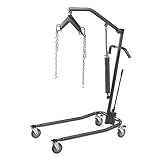 Drive Medical Hydraulic Patient Lift
A full lift is what makes one person able to manage a transfer alone. It is the single purchase that most often delays a move into residential care.
Check price on Amazon →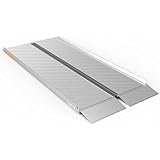 EZ-ACCESS Singlefold Wheelchair Ramp, 6 ft
Folds like a suitcase and carries in a car boot, so the same ramp handles the front step at home and the kerb at an appointment.
Check price on Amazon → Drive Medical Nitro Rollator with Seat
The seat matters more than the wheels. Being able to stop and rest is what decides whether someone still goes out at all.
Check price on Amazon → Vive Stand Assist Rail for Couch or Chair
Getting out of a low sofa is where most falls at home start. This is the cheapest thing on the list and often the first one needed.
Check price on Amazon →As an Amazon Associate we earn from qualifying purchases, at no extra cost to you. Researched guidance, not medical advice. Prices change, so check before buying.
Step-by-Step Dressing Techniques
Upper Body Dressing (Shirts, Sweaters)
For Button-Front Shirts (Recommended)
- Lay the shirt across their lap, inside facing up, collar away from them
- Insert the weaker arm first, guiding the sleeve up past the elbow
- Bring the shirt around their back
- Insert the stronger arm into the other sleeve
- Pull the shirt up onto shoulders
- Button from bottom to top (easier to align)
For Pullover Shirts
- Gather the shirt to create a wide neck opening
- Guide their weaker arm through the sleeve first
- Pull sleeve up past the elbow
- Gather the neck opening and slip it over their head (front first)
- Guide the stronger arm through the remaining sleeve
- Pull down and adjust
Tip: Pullovers are harder. Consider switching to button-front or zippered styles.
Lower Body Dressing (Pants, Underwear)
While Seated
Cross the weaker leg over the stronger knee, or lift the foot up. Thread the pant leg over the foot and pull up to the knee. Repeat with the stronger leg.
Standing or Weight-Shifting
Have them hold onto you or a stable surface. Lean them slightly side to side, pulling pants up over each hip alternately. Or have them briefly stand while you pull pants up.
For Bed-Bound Parents
Roll them to one side, position pants on that hip. Roll to the other side, pull pants over the other hip. Use a draw sheet if available for easier rolling.
Use a reacher or dressing stick to pull pants up the legs if bending is painful or difficult. Available at medical supply stores for $10-20.
Socks and Shoes
Putting on socks and shoes is often the hardest part due to required bending and foot flexibility.
- Sock aids: A plastic or fabric device that holds the sock open while you slide the foot in, invaluable after hip surgery
- Long-handled shoehorns: Allow putting on shoes without bending
- Elastic laces or slip-on shoes: Convert any shoe to slip-on style
- Compression sock donners: Special frames that stretch stockings for easy sliding
Patients must avoid bending past 90 degrees. Use adaptive equipment for all lower body dressing. Never have them cross legs past midline or rotate the affected hip inward.
Adaptive Clothing Solutions
Adaptive clothing is designed for easy dressing with conditions like arthritis, Parkinson's, stroke, or limited mobility. The industry has grown significantly, these aren't "hospital gowns."
Tops
- Magnetic button closures
- Velcro front openings
- Side-opening shirts
- Back-opening blouses
- Shoulder-snap designs
Pants
- Elastic waistbands (no buttons/zippers)
- Side-zip or full-open pants
- Drop-front pants for incontinence
- Velcro fly closures
- Wheelchair-friendly cuts
Underwear
- Side-opening briefs
- Velcro-closure options
- Seamless styles (sensitive skin)
- Incontinence briefs with side-tabs
Footwear
- Velcro-strap shoes
- Extra-wide/swollen foot styles
- Slip-resistant soles
- Diabetic-friendly designs
- Slipper-shoes with outdoor soles
Where to find adaptive clothing:
- Silverts, Buck & Buck, Adaptive Clothing Showroom, specialize in adaptive wear
- Amazon has expanding adaptive sections from major brands
- Tommy Hilfiger, Zappos, mainstream brands with adaptive lines
- Expect to pay similar prices to regular clothing ($20-60 for most items)
Dressing with Specific Conditions
After Stroke (Hemiplegia)
The affected side has limited movement and sensation. Always dress the affected side first, undress it last. Use button-front shirts. Consider one-handed dressing techniques: gather all fabric to one side, insert affected arm, bring around back.
Parkinson's Disease
Tremors, rigidity, and slow movement make dressing challenging. Dress during "on" medication times when movement is best. Use loose, stretchy fabrics. Allow extra time, rushing increases frustration and freezing. Weighted cuff weights can help reduce tremor during tasks.
Arthritis
Joint pain and limited grip strength are the main challenges. Avoid clothing with small buttons. Use buttonhooks, zipper pulls, and velcro. Choose loose clothing that doesn't require reaching or pulling. Morning is often hardest, dress after joints warm up.
Dementia
Cognitive issues may cause confusion or resistance. Keep routines consistent, same order, same time daily. Lay out clothes in the order worn. Offer only two choices (prevents overwhelm). Give simple, one-step instructions. Sometimes stepping out of the room helps, they may dress independently without feeling watched.
Preserving Dignity
Needing help getting dressed is one of the most intimate losses of independence. Many parents feel embarrassed, ashamed, or frustrated. Your attitude matters as much as your technique.
Dignity-Preserving Practices
- Cover what's not being dressed. Use a blanket or towel to cover areas not currently being worked on
- Close doors and curtains. Even if "it's just family"
- Let them choose clothes when possible. "Do you want the blue or the green shirt?"
- Avoid baby talk or condescension. They're adults who need help, not children
- Don't rush. Feeling rushed is dehumanizing
- Praise genuine accomplishments. "You got that button yourself, great!"
- Maintain same-gender caregiving when possible. If that matters to them
Common Challenges and Solutions
When They Refuse or Resist
Resistance often has a reason:
- Cold room: Warm it up first
- Pain: Give pain medication 30 minutes before dressing
- Fatigue: Choose the best time of day
- Embarrassment: Same-gender helper or more privacy
- Confusion (dementia): Simplify, use consistent routine
- Depression: They may not care about appearance; address the depression
When You're Injured or Tired
Dressing assistance strains caregiver bodies. Protect yourself:
- Keep your back straight, bend at the knees
- Work at their level, sit if they're sitting
- Use assistive devices rather than force
- If it's too physically demanding, consider a home health aide for this task
Equipment That Helps
These items make dressing easier for both of you:
- Dressing stick: Long hook to push/pull clothing ($8-15)
- Buttonhook: Wire loop that pulls buttons through holes ($5-10)
- Zipper pull: Large ring or handle attached to zipper ($3-8)
- Sock aid: Holds sock open for foot insertion ($8-15)
- Long shoehorn: 18-24" handles for shoes without bending ($8-15)
- Elastic shoelaces: Convert any shoe to slip-on ($6-10)
- Reacher/grabber: Picks up dropped items or pulls clothes ($10-20)
Most are available at pharmacies, medical supply stores, or Amazon. Many occupational therapists can provide these during home health visits.
Get the Complete Daily Care Checklist
Step-by-step guides for dressing, bathing, toileting, and more, plus dignity-preserving tips for every task.
Explore Caregiver Resources