Arthritis Care for Elderly Parents
Arthritis affects over 50% of adults over 65. The pain, stiffness, and limited mobility impact everything, getting dressed, cooking, walking, even sleeping. As a caregiver, you can help your parent manage pain, maintain independence, and protect their joints. Here's what works.
Types of Arthritis in Elderly
Osteoarthritis (OA)
What it is: "Wear and tear" arthritis. Cartilage breaks down over time.
Most common in: Knees, hips, hands, spine
Symptoms: Pain that worsens with activity, morning stiffness (less than 30 min), grinding sensation, bone spurs
Treatment focus: Pain management, exercise, weight management, joint protection
Rheumatoid Arthritis (RA)
What it is: Autoimmune disease where body attacks joint lining
Most common in: Small joints of hands and feet, often symmetrical
Symptoms: Morning stiffness (over 1 hour), swelling, warmth, fatigue, affects both sides equally
Treatment focus: Disease-modifying drugs (DMARDs), biologics, inflammation control
Gout
What it is: Uric acid crystals build up in joints
Most common in: Big toe, but can affect any joint
Symptoms: Sudden, severe pain, usually at night. Red, hot, swollen joint.
Treatment focus: Medications during attacks, long-term uric acid reduction, diet changes
The equipment that changes the most
Most of what caregiving costs is time. These four are the purchases that reliably buy some of it back, and they are the ones families tell us they wish they had bought sooner.
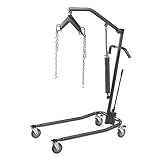 Drive Medical Hydraulic Patient Lift
A full lift is what makes one person able to manage a transfer alone. It is the single purchase that most often delays a move into residential care.
Check price on Amazon →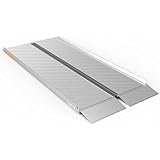 EZ-ACCESS Singlefold Wheelchair Ramp, 6 ft
Folds like a suitcase and carries in a car boot, so the same ramp handles the front step at home and the kerb at an appointment.
Check price on Amazon → Drive Medical Nitro Rollator with Seat
The seat matters more than the wheels. Being able to stop and rest is what decides whether someone still goes out at all.
Check price on Amazon → Vive Stand Assist Rail for Couch or Chair
Getting out of a low sofa is where most falls at home start. This is the cheapest thing on the list and often the first one needed.
Check price on Amazon →As an Amazon Associate we earn from qualifying purchases, at no extra cost to you. Researched guidance, not medical advice. Prices change, so check before buying.
Pain Management Strategies
Medications
- Acetaminophen (Tylenol): First choice for OA. Safer for elderly than NSAIDs. Max 3,000mg/day for seniors.
- NSAIDs (ibuprofen, naproxen): More effective but risky, stomach bleeding, kidney damage, heart issues. Use lowest dose, shortest time.
- Topical creams: Voltaren gel, capsaicin, lidocaine patches. Safer alternative to oral medications.
- Prescription options: Tramadol, Cymbalta for nerve pain. Rarely, stronger opioids for severe cases.
- Injections: Cortisone shots for severe flares, hyaluronic acid for knee OA
NSAIDs like ibuprofen and naproxen are especially dangerous for elderly people. They increase risk of stomach bleeding, kidney damage, heart attack, and stroke. Many seniors should avoid them entirely. Always ask the doctor before using, even over-the-counter.
Non-Medication Approaches
- Heat: Eases stiffness. Warm showers, heating pads, paraffin wax for hands.
- Cold: Reduces swelling during flares. Ice packs wrapped in towel, 15-20 min.
- TENS units: Electrical stimulation for pain relief
- Massage: Gentle massage around affected joints
- Acupuncture: Some evidence for knee OA pain relief
- Physical therapy: Exercises, manual therapy, modalities
Exercise and Movement
Movement is medicine for arthritis. It strengthens muscles around joints, maintains flexibility, and actually reduces pain over time.
Best Exercises for Arthritis
- Water exercises: Pool walking, water aerobics, buoyancy supports joints
- Walking: Start slow, use proper footwear, level surfaces
- Tai Chi: Proven to reduce pain and improve balance
- Chair exercises: Strength and flexibility from sitting
- Range of motion: Gentle stretching to maintain flexibility
- Strength training: Light weights or resistance bands to support joints
Some pain with exercise is normal ("good pain"). If pain is severe or lasts more than 2 hours after exercise, they did too much. Start with 5-10 minutes and gradually increase. Consistency matters more than intensity.
Assistive Devices
The right tools help maintain independence and protect joints.
For Hands
- Jar openers, electric can openers
- Built-up handles on utensils and pens
- Button hooks, zipper pulls
- Lever-style door handles and faucets
- Touch lamps instead of small switches
- Ergonomic keyboards if they use computer
For Mobility
- Walking cane (proper height is key)
- Rollator walker with seat
- Grab bars in bathroom
- Raised toilet seat
- Shower chair and handheld showerhead
- Reacher/grabber tools
For Dressing
- Sock aids
- Long-handled shoehorn
- Elastic shoelaces or slip-on shoes
- Clothing with Velcro instead of buttons
- Front-closing bras
An occupational therapist can evaluate your parent's specific challenges and recommend the right assistive devices. Medicare covers OT. One home visit can make a huge difference in independence.
Joint Protection Techniques
Protect joints from additional damage with these strategies:
General Principles
- Respect pain: Pain is a signal to stop or change approach
- Use larger joints: Carry bags on forearm, not fingers
- Avoid prolonged positions: Change positions frequently
- Pace activities: Alternate heavy and light tasks
- Plan ahead: Avoid rushing, which leads to awkward movements
- Slide, don't lift: Push heavy objects across surfaces
Specific Tips
- Use both hands to carry heavy items
- Open jars with palm, not fingers
- Get up from chairs using armrests, not hands pushing on thighs
- Avoid prolonged gripping (take breaks)
- Use lightweight cookware
- Pre-cut vegetables, buy pre-washed lettuce
Home Modifications
Kitchen
- Move frequently used items to counter height
- Install pull-out shelves in lower cabinets
- Add task lighting over work areas
- Use a rolling cart to transport items
- Sit on stool for meal prep
Bathroom
- Grab bars at toilet and in shower
- Raised toilet seat
- Walk-in shower or tub with door
- Non-slip mats
- Lever faucet handles
Bedroom
- Bed at proper height for easy transfer
- Firm mattress for support
- Bedside lamp within easy reach
- Nightlight path to bathroom
When to See the Doctor
- New joint pain lasting more than a few days
- Significant increase in pain or stiffness
- Joint becomes red, hot, or very swollen
- Fever with joint symptoms (could indicate infection)
- Difficulty performing daily activities
- Current medications not controlling pain
- Side effects from medications
Supplements: What Works?
- Glucosamine/Chondroitin: Mixed evidence. May help some people with knee OA. Takes 2-3 months to work if it helps.
- Turmeric/Curcumin: Some anti-inflammatory effect. May interact with blood thinners.
- Fish oil: May help RA inflammation. High doses needed.
- Vitamin D: Deficiency worsens pain. Get levels checked.
- SAMe: Some evidence for OA, but expensive.
Unlike medications, supplements aren't tested for safety or effectiveness by the FDA. They can interact with medications. Always tell the doctor about all supplements being taken.
Emotional Support
Chronic pain affects mood. Depression is common with arthritis and makes pain feel worse.
- Acknowledge their pain is real
- Encourage social activities (isolation worsens pain)
- Help them stay engaged in hobbies they can still do
- Look for signs of depression (withdrawal, hopelessness)
- Consider counseling or pain psychology
- Arthritis support groups can help
Related Resources
- Fall Prevention
- Home Modifications for Safety
- Safe Transfers
- Depression in Elderly
- Best Walkers & Rollators 2026
- Best Grab Bars 2026
- Best Heating Pads for Seniors and Grandparents 2026
- Best Adaptive Clothing for Elderly 2026
Products that help with arthritis pain & daily living
We independently research every recommendation. As an Amazon Associate we earn from qualifying purchases, at no extra cost to you. Disclosure.
- Heating Pads →Auto-shutoff heating pads that soothe arthritis and stiff joints.
- Reacher Grabber Tools →Long-handled grabbers that prevent dangerous bending and reaching.
- Adaptive Utensils & Eating Aids →Weighted, easy-grip cutlery and no-spill cups for safer meals.