When people say "home care," they might mean skilled medical services or help with daily activities, two very different things with different costs and coverage. Understanding the distinction is essential for getting your parent the right help and knowing who pays for it.
Home Health Care: Skilled medical services (nursing, therapy) ordered by a doctor. Often covered by Medicare.
Home Care: Non-medical help with daily activities (bathing, cooking, companionship). Usually paid out-of-pocket.
Side-by-Side Comparison
Home Health Care
- Requires doctor's order
- Provided by licensed clinicians
- Covered by Medicare (if criteria met)
- Time-limited (episode-based)
- Goal: Recovery/medical management
Home Care
- No doctor's order needed
- Provided by caregivers/aides
- Usually private pay
- Ongoing as long as needed
- Goal: Help with daily living
The equipment that changes the most
Most of what caregiving costs is time. These four are the purchases that reliably buy some of it back, and they are the ones families tell us they wish they had bought sooner.
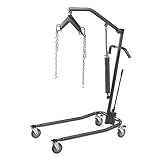 Drive Medical Hydraulic Patient Lift
A full lift is what makes one person able to manage a transfer alone. It is the single purchase that most often delays a move into residential care.
Check price on Amazon →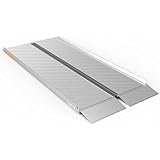 EZ-ACCESS Singlefold Wheelchair Ramp, 6 ft
Folds like a suitcase and carries in a car boot, so the same ramp handles the front step at home and the kerb at an appointment.
Check price on Amazon → Drive Medical Nitro Rollator with Seat
The seat matters more than the wheels. Being able to stop and rest is what decides whether someone still goes out at all.
Check price on Amazon → Vive Stand Assist Rail for Couch or Chair
Getting out of a low sofa is where most falls at home start. This is the cheapest thing on the list and often the first one needed.
Check price on Amazon →As an Amazon Associate we earn from qualifying purchases, at no extra cost to you. Researched guidance, not medical advice. Prices change, so check before buying.
Home Health Care: What's Included
Home health care is skilled medical care provided in the home, typically after a hospitalization, surgery, or to manage a chronic condition.
Skilled Services
- Skilled Nursing: Wound care, IV medications, catheter care, injections, disease management education, medication management
- Physical Therapy (PT): Strengthening, balance, mobility training, exercises after surgery or injury
- Occupational Therapy (OT): Teaching daily living skills, adaptive equipment training, home safety evaluation
- Speech-Language Pathology: Swallowing therapy, speech rehabilitation after stroke
- Medical Social Work: Connecting to resources, counseling, care coordination
- Home Health Aide: Personal care under supervision of nurse or therapist (bathing, dressing)
Medicare Coverage Requirements
Medicare covers home health if ALL these criteria are met:
- Doctor's order: A physician must certify home health is needed
- Homebound status: Leaving home requires considerable effort (doesn't mean never leave, but it's difficult)
- Skilled care need: Must need nursing, PT, OT, or speech therapy, not just aide services
- Part-time/intermittent: Services needed on a part-time basis
- Medicare-certified agency: Must use an approved agency
You don't have to be bedridden to be "homebound." Medicare considers you homebound if leaving home requires taxing effort, assistive devices, or another person's help, OR if you have a condition that makes leaving inadvisable. Brief outings for medical appointments, religious services, or occasional trips don't disqualify you.
Home Care: What's Included
Home care (also called non-medical home care or personal care) helps with activities of daily living but is not skilled medical care.
Typical Services
- Personal care: Bathing, dressing, grooming, toileting assistance
- Meal preparation: Cooking, feeding assistance
- Light housekeeping: Laundry, dishes, tidying
- Companionship: Conversation, activities, accompanying to appointments
- Medication reminders: Prompting (not administering) medications
- Transportation: Driving to appointments, errands
- Safety supervision: Fall prevention, dementia supervision
How to Pay for Home Care
- Private pay: Most common for $25-35/hour average nationally in 2026
- Long-term care insurance: If your parent has a policy, it likely covers this
- VA Aid & Attendance: Veterans may qualify for monthly benefit
- Medicaid waiver programs: In some states, Medicaid covers home care
- Medicare: Does NOT cover ongoing non-medical home care
Detailed Comparison
| Aspect | Home Health | Home Care |
|---|---|---|
| Provider | RN, LPN, PT, OT, SLP | Caregiver, HHA, CNA |
| Doctor's Order | Required | Not needed |
| Medicare Coverage | Yes (if criteria met) | No |
| Duration | 60-day episodes; ends when goals met | Ongoing, no limit |
| Visit Length | 30-60 minutes typical | 2-24 hours; overnight available |
| Cost (if paying) | $150-250/visit | $25-40/hour |
| Services | Medical, therapy, wound care | Personal care, housekeeping, companionship |
Which Does Your Parent Need?
Scenario: Mom just had hip replacement surgery
She needs wound care, physical therapy to regain mobility, and help with bathing while she recovers.
Scenario: Dad has mild dementia and lives alone
He's managing medically but forgets to eat, needs reminders for medications, and shouldn't be alone all day.
Scenario: Mom is a diabetic with a non-healing foot wound
The wound needs regular dressing changes and monitoring for infection.
Scenario: Dad fell and broke his wrist
He can manage most things but needs help with bathing, dressing, and meal prep while one arm is in a cast.
Using Both Together
Many families need both home health AND home care, they complement each other:
- Home health provides the skilled medical oversight (visiting 2-3x/week)
- Home care fills in the gaps for daily help (several hours daily)
- The home health nurse can coordinate with the home care aide
- Some home health agencies also offer private home care services
After hospitalization, ask the doctor about home health, it's often underutilized. Medicare-covered PT and OT can be invaluable for recovery. Even if you're hiring private caregivers, get the skilled services you're entitled to.
Finding Agencies
Home Health Agencies
- Hospital discharge planner often arranges initial referral
- Medicare.gov has a "Home Health Compare" tool
- Check agency ratings and inspection results
- Verify they're Medicare-certified if you want coverage
Home Care Agencies
- No Medicare certification required (unregulated in many states)
- Ask about caregiver screening, training, and supervision
- Understand billing: hourly minimums, overtime, holiday rates
- Ask if they handle payroll taxes or if caregiver is independent contractor
- Check reviews and get references
Agencies cost more but handle background checks, scheduling, backup coverage, and payroll. Hiring a caregiver directly saves 25-40% but makes you the employer, with all the liability and hassle that entails. See our guide: How to Hire a Caregiver.
Common Confusion
"Medicare Covers 24-Hour Care at Home"
False. Medicare covers skilled, part-time visits, not around-the-clock care. If your parent needs continuous supervision or help, that's usually private pay or Medicaid (for those who qualify).
"We Have Home Health, So We're Set"
Maybe not. Home health visits are typically 30-60 minutes, 2-5 times per week. That's not enough if your parent needs daily help with meals, bathing, or supervision. You likely need supplemental home care.
"Home Care Aides Can Give Medications"
Usually no. In most states, non-medical caregivers can only remind about medications, not administer them. They can hand a pill cup your parent can take themselves. Actual medication administration requires a nurse.
Get the Complete Care Planning Toolkit
Compare care options, track services, and organize everything in one place.
Explore Caregiver Resources