Physical therapy can make a remarkable difference for elderly parents, helping them walk again after surgery, regain balance after a fall, or maintain mobility with chronic conditions. Understanding what PT involves, when it helps, and how to support your parent's progress will help you get the most from this valuable service.
While many people think of physical therapy after surgery or injury, PT is also used to prevent falls, manage chronic conditions like arthritis, and maintain function as long as possible. It's proactive, not just reactive.
When Physical Therapy Helps
After Surgery
Hip/knee replacement, back surgery, cardiac surgery, PT restores function and prevents complications.
After a Fall
Rebuild strength, address balance issues, regain confidence in walking.
After Stroke
Relearn movement patterns, strengthen affected side, improve walking and balance.
Arthritis
Joint protection, strengthening, pain management, maintaining mobility.
Parkinson's Disease
LSVT BIG program, gait training, balance, preventing falls.
General Deconditioning
After illness, hospitalization, or prolonged inactivity, rebuilding overall strength.
Balance Problems
Fall prevention, vestibular rehabilitation, confidence training.
Chronic Pain
Movement-based pain management, stretching, strengthening weak areas.
The equipment that changes the most
Most of what caregiving costs is time. These four are the purchases that reliably buy some of it back, and they are the ones families tell us they wish they had bought sooner.
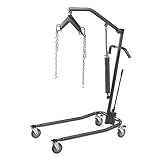 Drive Medical Hydraulic Patient Lift
A full lift is what makes one person able to manage a transfer alone. It is the single purchase that most often delays a move into residential care.
Check price on Amazon →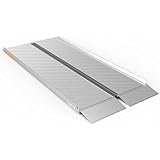 EZ-ACCESS Singlefold Wheelchair Ramp, 6 ft
Folds like a suitcase and carries in a car boot, so the same ramp handles the front step at home and the kerb at an appointment.
Check price on Amazon → Drive Medical Nitro Rollator with Seat
The seat matters more than the wheels. Being able to stop and rest is what decides whether someone still goes out at all.
Check price on Amazon → Vive Stand Assist Rail for Couch or Chair
Getting out of a low sofa is where most falls at home start. This is the cheapest thing on the list and often the first one needed.
Check price on Amazon →As an Amazon Associate we earn from qualifying purchases, at no extra cost to you. Researched guidance, not medical advice. Prices change, so check before buying.
What to Expect from PT
Initial Evaluation
The first visit (usually 45-60 minutes) includes:
- Medical history review
- Assessment of strength, flexibility, balance, and gait
- Pain evaluation
- Functional testing (can they get up from a chair? climb stairs?)
- Goal setting with your parent
- Development of treatment plan
Typical PT Session
Sessions are usually 30-60 minutes and may include:
- Warm-up: Gentle movements to prepare the body
- Strengthening exercises: Using body weight, bands, or light weights
- Balance training: Standing exercises, weight shifts, obstacle navigation
- Gait training: Walking practice with or without assistive devices
- Stretching: Maintaining flexibility and range of motion
- Manual therapy: Hands-on techniques for pain and mobility
- Modalities: Heat, ice, ultrasound, electrical stimulation
- Home exercise program: Exercises to do between sessions
PT sessions are just the tip of the iceberg. The real progress happens with daily home exercises. As a caregiver, helping your parent remember and complete their home exercises is one of the most valuable things you can do.
Settings for Physical Therapy
| Setting | Best For | Notes |
|---|---|---|
| Home Health PT | Homebound patients; after hospitalization | Therapist comes to home; Medicare covers if criteria met |
| Outpatient Clinic | Those who can travel; more equipment available | Better equipment; may have pools, gyms; more session options |
| Skilled Nursing Facility | After hospital; intensive rehab needed | Daily PT during SNF stay; Medicare covers first 20 days 100% |
| Inpatient Rehab | Intensive needs (stroke, major surgery) | 3+ hours therapy daily; requires ability to participate |
Insurance Coverage
Medicare Coverage
Medicare Part B covers outpatient physical therapy:
- 80% of approved amount after deductible
- Must be ordered by physician
- Must be "medically necessary"
- Annual therapy cap eliminated in 2018, but high utilizers may face extra review
Medicare Home Health covers PT if:
- Patient is homebound
- Skilled PT is needed (not just maintenance)
- Part-time and intermittent
- 100% covered, no copay for home health
Medicare covers "skilled" therapy, where professional expertise is needed to improve or maintain function. Once your parent plateaus and just needs to maintain current level, Medicare may stop covering. However, skilled maintenance therapy is covered if a professional is needed to safely perform maintenance. Push back if coverage is denied inappropriately.
Common PT Exercises for Elderly
Balance Exercises
- Standing heel-to-toe (tandem stance)
- Single leg stands (with support)
- Weight shifts side to side
- Walking heel to toe in line
- Standing on foam or uneven surfaces
Strengthening Exercises
- Sit-to-stand from chair (leg strength)
- Heel raises (calf strength)
- Mini squats with support
- Leg lifts in all directions
- Resistance band exercises
- Step-ups on low step
Stretching Exercises
- Calf stretches at wall
- Hamstring stretches (seated or lying)
- Hip flexor stretches
- Neck and shoulder stretches
- Trunk rotation while seated
How to Support Your Parent's PT
Before/During PT
- Attend sessions when possible: Learn exercises, ask questions, understand goals
- Communicate concerns: Tell PT about pain, falls, changes you've noticed at home
- Bring current medication list: Some medications affect balance and exercise tolerance
- Wear appropriate clothing: Comfortable, loose clothes and supportive shoes
Supporting Home Exercises
- Create a routine: Same time daily, after breakfast, before lunch, etc.
- Set up the space: Clear area, have chair for support, gather any equipment
- Exercise together: Do the exercises with them, more motivating
- Use written/visual guides: Ask PT for exercise sheets with pictures
- Track completion: Simple calendar checkoff
- Encourage but don't nag: Gentle reminders, not pressure
Resistance is common. Try to understand why: Pain? Fatigue? Fear? Boredom? Depression? Address the underlying issue. Make it social. Break into smaller chunks. Focus on functional goals: "These exercises will help you walk to the mailbox again."
Red Flags During PT
Contact the therapist or doctor if:
- Significant increase in pain during or after exercises
- Swelling in legs or joints
- Shortness of breath out of proportion to activity
- Dizziness or feeling faint
- Decline in function rather than improvement
- New symptoms: numbness, tingling, weakness
When PT Ends
Physical therapy is designed to end, it's not meant to be indefinite. Discharge happens when:
- Goals are met
- Progress has plateaued
- Patient can maintain independently with home program
- Insurance limits are reached (unfortunately)
After Discharge
- Continue home exercises: The program doesn't stop when PT does
- Consider community programs: Senior center exercise classes, Silver Sneakers, aquatics
- Return if needed: PT can be restarted for new problems or setbacks
- Maintain activity: Daily walking, stretching, staying active
Get the Complete Recovery Toolkit
Exercise tracking, appointment logs, and progress charts to support your parent's rehabilitation.
Explore Caregiver Resources