Alcohol and Elderly Parents
Alcohol problems in older adults are often invisible. Same drinking pattern that was "fine" at 50 becomes dangerous at 75. Here's what caregivers need to know about a hidden epidemic.
Alcohol misuse among older adults is rising. About 10-15% of those over 65 drink at levels that put them at risk. Many started drinking moderately decades ago and never stopped - but aging bodies can no longer handle it safely. Others develop new drinking problems in later life, triggered by loss, loneliness, or chronic pain.
Why Alcohol Is More Dangerous for Older Adults
The same amount of alcohol affects an older person more strongly:
- Lower body water: Less dilution means higher blood alcohol levels from the same amount
- Slower metabolism: Liver processes alcohol more slowly; effects last longer
- Brain sensitivity: Aging brains are more vulnerable to alcohol's effects
- Medication interactions: Many common medications interact dangerously with alcohol
- Balance problems: Even small amounts increase fall risk
- Chronic conditions: Alcohol worsens heart disease, diabetes, and other conditions
The National Institute on Alcohol Abuse and Alcoholism recommends that adults over 65 have no more than 1 drink per day, and no more than 7 drinks per week. Many health conditions and medications mean that even this amount is too much.
As an Amazon Associate, we earn from qualifying purchases.
Recommended Senior Wellness Resources
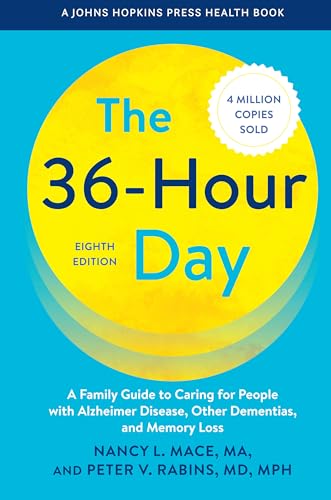 The 36-Hour Day Comprehensive caregiving guide including health challenges
 Weekly Pill Organizer Track medications and avoid dangerous interactions
 Get It Together: Organize Your Records Document health history and treatment plans
 Medical Alert System Emergency help for falls and health emergencies
Warning Signs of Alcohol Problems
These signs are often attributed to "just getting old" - but may indicate alcohol misuse:
Memory Problems
Forgetting conversations, appointments, or events
Unexplained Falls
Falls with vague explanations or no explanation
Mood Changes
Depression, irritability, mood swings
Sleep Problems
Insomnia, disrupted sleep patterns
Poor Hygiene
Neglecting grooming, wearing dirty clothes
Social Isolation
Withdrawing from friends and activities
Neglected Home
House messier than usual, bills unpaid
Malnutrition
Weight loss, poor eating habits
Other Red Flags
- Empty bottles in trash or hidden around the house
- Drinking alone or drinking earlier in the day
- Becoming defensive about drinking
- Making excuses to drink or drink more
- Blackouts or memory gaps
- Getting injured while drinking
- Doctor expressing concern about drinking
- Needing to drink to feel "normal"
Dangerous Medication Interactions
Many common medications taken by older adults interact dangerously with alcohol. These interactions can occur even with moderate drinking.
- Blood thinners (Warfarin, Eliquis): Increases bleeding risk dramatically
- Diabetes medications: Can cause dangerous blood sugar drops
- Blood pressure medications: Causes severe drops in blood pressure
- Sleep medications: Excessive sedation, respiratory depression
- Pain medications (especially opioids): Potentially fatal respiratory depression
- Anti-anxiety medications (benzodiazepines): Excessive sedation, breathing problems
- Acetaminophen (Tylenol): Liver damage
- NSAIDs (ibuprofen, aspirin): Stomach bleeding
- Antidepressants: Increased sedation, worsened depression
Why Older Adults Start or Continue Drinking
Understanding the "why" helps address the problem:
Loss and Grief
Death of spouse or friends, loss of identity after retirement. Alcohol numbs pain but prevents healthy processing of grief.
Loneliness and Boredom
Drinking fills empty hours. Social connections have dwindled. Nothing to do, nowhere to go.
Chronic Pain
Self-medicating pain when other options seem inadequate. Creates cycle of worse pain and more drinking.
Sleep Problems
Using alcohol as a sleep aid. Actually worsens sleep quality and creates dependence.
Longtime Habits
Drinking pattern that was "fine" for decades. Never adjusted as body aged.
Depression and Anxiety
Self-treating mental health problems. Alcohol actually worsens both conditions.
How to Talk to Your Parent About Drinking
Prepare First
- Choose a calm, private moment when they're sober
- Come from a place of love, not judgment
- Have specific observations ready (not accusations)
- Know what you want to ask for (doctor's visit? cutting back?)
- Be prepared for denial or defensiveness
Scripts That May Help
"Dad, I love you and I'm worried about you. I've noticed you seem less steady on your feet, and I'm concerned about the falls you've had. The doctor mentioned that alcohol and your blood pressure medication don't mix well. Can we talk about this?"
"Mom, your doctor said alcohol could be affecting how your diabetes medication works. What if we tried to cut back together? I'll stop having wine when we have dinner."
"I know you have a glass of wine to relax. What else might help? Maybe we could take evening walks together, or you could try some of those relaxation apps."
What Not to Do
- Don't lecture or moralize
- Don't confront them when they're drinking
- Don't issue ultimatums you won't follow through on
- Don't enable by buying alcohol or covering up consequences
- Don't give up after one conversation
When They Need Professional Help
Signs that more than a conversation is needed:
- They can't stop despite wanting to
- Physical dependence (shaking, sweating when not drinking)
- Drinking is causing significant health problems
- Dangerous behavior while drinking
- Complete denial despite obvious problems
If your parent has been drinking heavily for a long time, stopping suddenly can be medically dangerous - even life-threatening. Alcohol withdrawal can cause seizures and a condition called delirium tremens. Any significant reduction in drinking should be discussed with a doctor and may need medical supervision.
Treatment Options for Older Adults
- Primary care doctor: Starting point for screening and referrals
- Geriatric psychiatrist: Specializes in mental health and substance use in older adults
- Age-specific treatment programs: Exist in some areas; more effective than general programs for this population
- Counseling: Individual therapy can address underlying issues
- AA and support groups: Some areas have senior-specific meetings
- Medication: Several medications can help reduce cravings
If They Won't Change
You can't force a competent adult to stop drinking. If they refuse help:
- Don't enable the drinking (buying alcohol, covering up problems)
- Set boundaries about what you will and won't do
- Document concerns in case capacity comes into question later
- Ensure their will, POA, and advance directives are in place
- Take care of your own mental health
- Keep the door open for future conversations
- Don't blame yourself for their choices
Older adults who do seek treatment often have better outcomes than younger people. They may have more motivation (health problems), more stability (housing, income), and more maturity. It's never too late to address a drinking problem.
Resources
- SAMHSA Helpline: 1-800-662-4357 (free, confidential, 24/7)
- AA: aa.org - includes online and phone meetings
- Al-Anon: al-anon.org - support for family members
- NIAAA: niaaa.nih.gov - information on alcohol and older adults
Navigate Difficult Conversations
Our Difficult Conversations Scripts provide guidance for the hardest topics, including addressing substance use.
View Resources